

























































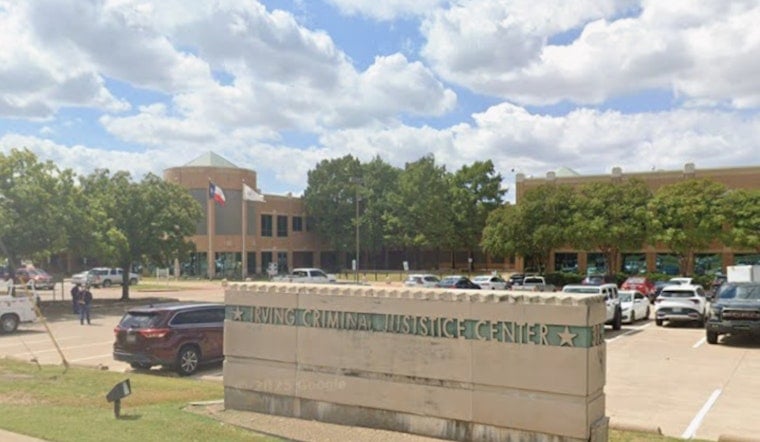
Irving is putting a judge back between arrest and jail transfer, restoring a process that can determine whether someone posts bail from the city detention facility or gets swept into Dallas County’s much larger system. The move comes just before a county booking rule threatens to make the old arrangement far more expensive and difficult to maintain.
On Thursday, the Irving City Council directed staff to restart magistration hearings in the city jail for defendants facing all charges, reversing a policy that had pushed most felony and higher-level misdemeanor arrestees toward the Dallas County jail. The decision was first reported by The Dallas Morning News.
Irving municipal judges had conducted these first-appearance hearings for decades, but stopped in May 2024. Since then, many people arrested in Irving had to be transferred to the Lew Sterrett Justice Center and booked again before seeing a judge, a detour that could add time to an already consequential wait.
Irving Plans To Spend Nearly $800,000 On The Restart
The city estimates that restoring magistration will cost about $796,000. Irving plans to hire one additional full-time judge, one part-time judge and two clerks to handle the hearings, while its existing jail has capacity for 172 adult prisoners, according to the City of Irving.
Under the new setup, detainees will have an opportunity to appear before a municipal judge and have bail set without first transferring to Dallas County. People who post bond could leave from Irving, while Irving Police Chief Derick Miller said those who remain in custody after magistration will still be transported to Lew Sterrett.
Dallas County’s October Deadline Changed The Math
The timing is no accident. Dallas County plans to stop accepting defendants who have not received a first-appearance hearing from a municipal judge unless the arresting agency has a county booking contract, with the new rule set to take effect October 1. The county plans to charge Irving $567 for each defendant booked without prior magistration, a cost that helped push city officials toward bringing the hearings back, according to The Dallas Morning News.
Irving and Dallas County had discussed a joint video-magistration system, but those talks stalled, and the system could not be completed before the October deadline. The city’s full in-house restart is therefore a quicker, pricier solution than waiting for a regional video setup to materialize.
Why The First Appearance Matters
Magistration is not merely an administrative handoff. Texas law requires a person in custody to be taken before a magistrate without unnecessary delay and no later than 48 hours after arrest, while the bail statute calls for an individualized decision within that window; the Texas Code of Criminal Procedure lays out those duties.
The first appearance is where a defendant is informed of the accusation, advised of the right to remain silent and consult an attorney, and considered for release or continued detention. The Texas Indigent Defense Commission likewise describes prompt magistration as a core part of the county’s criminal-justice process, not a favor that can be postponed indefinitely.
Federal Lawsuits Over Delays Are Still Pending
Two federal civil-rights lawsuits filed in April on behalf of six plaintiffs accused Irving of unnecessary delays that violated detainees’ constitutional due-process rights. City attorneys have asked a federal court to dismiss both cases and argued that the Constitution does not guarantee that bail must be assessed within 48 hours, but the lawsuits remain pending.
For Irving, the council’s decision changes the first stop in the process, not necessarily the final destination. It could allow people who can quickly post bond to avoid a second booking at Lew Sterrett, while those who cannot post bail may still end up in Dallas County custody after their city-jail hearing.





