

























































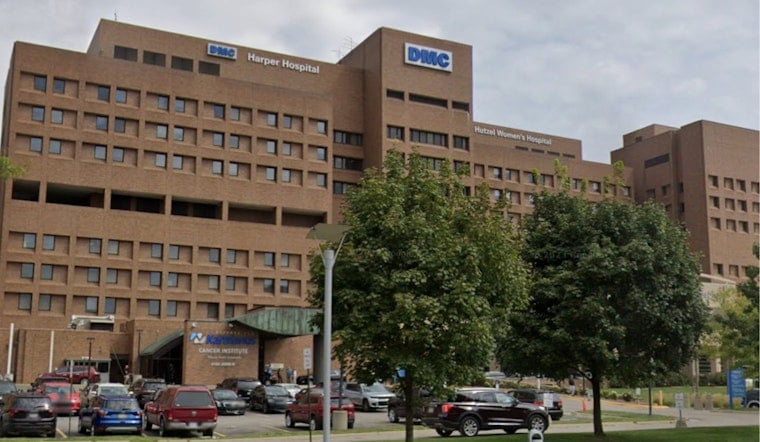
Barbara Ann Karmanos Cancer Hospital has sued Detroit Medical Center and its for-profit parent, Tenet Healthcare, accusing the companies of trying to more than double what Karmanos pays annually for shared operating rooms, IT, and laboratory services at their shared Midtown Detroit campus on John R. The lawsuit, filed Wednesday in Oakland County Circuit Court, claims Tenet sought to raise Karmanos's fees from about $28.5 million a year to more than $82 million and threatened to immediately cut off services if Karmanos refused to pay.
According to The Detroit News, Karmanos accounts for roughly 24% of operating room cases at DMC's Harper University Hospital but says it has been charged more than 75% of Harper's total annual operating-room costs. Karmanos attorney Brian Gamble said DMC and Tenet threatened to terminate Karmanos's services over what the hospital calls arbitrary and inflated costs. “This lawsuit is about protecting Karmanos and its patients, and preserving access to critical cancer care in our community,” Gamble said, according to the same report.
The dispute traces back to a 2005 agreement under which Karmanos became an independent, cancer-only hospital while continuing to operate on DMC's campus and purchase shared operating room, cardiac, diagnostic, laboratory, IT, and other hospital support services from DMC. That 2005 independence deal had Karmanos purchase 122 licensed hospital beds on the fifth, eighth, ninth, and 10th floors of Harper University Hospital's Webber North wing, according to Wayne State University, while leaving Karmanos reliant on DMC for shared operating rooms and diagnostic imaging. That physical and contractual entanglement is now central to the fee dispute playing out in court.
Karmanos Alleges a Pattern of Leverage and Threats
Karmanos alleges that DMC and Tenet used the contract to limit its operations in metro Detroit and, per the lawsuit, threatened to shut Karmanos down if it did not pay immediately. The hospital claims Tenet violated its contract by holding Karmanos hostage to extract profit and is asking the Oakland County court to confirm the correct interpretation of the original 2005 price-setting provision, block Tenet from rewriting the contract, and authorize Karmanos to build its own independent surgical hospital. Karmanos is also seeking compensation for the alleged overbilling and what it describes as inadequate services.
Gamble said the case could help resolve longstanding disputes with DMC and Tenet while preserving and enhancing access to cancer care. “The threat of disruption of essential services is not simply a business disagreement. It is a patient care issue,” Gamble said, per The Detroit News. Tenet Healthcare had not responded to a request for comment as of Thursday, according to the same report.
A Rivalry With Roots Going Back More Than a Decade
This is not the first courtroom clash between the two health systems. When Flint-based McLaren Health Care acquired Karmanos in October 2013, DMC leadership publicly opposed the merger and initiated its own contract dispute litigation against McLaren in Oakland County Circuit Court, arguing the deal threatened local cancer care and violated existing operating agreements, according to CBS Detroit. Tenet itself entered the picture that same month, acquiring DMC's then-parent company, Vanguard Health Systems, in a $4.3 billion deal.
Karmanos, headquartered in Midtown Detroit, operates 18 treatment locations statewide and is one of 57 National Cancer Institute-designated comprehensive cancer centers in the country, a distinction that represents the highest federal designation for cancer research and patient care. The hospital's corporate parent, McLaren Health Care, has faced its own recent troubles: in April, a Michigan state circuit court granted final approval to a $14 million class-action settlement over consecutive ransomware breaches in 2023 and 2024 that compromised data belonging to roughly 2.7 million people across McLaren's network. McLaren also reached a $220,000 civil settlement with the U.S. Attorney's Office for the Eastern District of Michigan in September 2024 over Americans with Disabilities Act compliance issues, including a lack of free sign-language interpreters, at facilities that included Karmanos.
Tenet's Broader Record of Billing Scrutiny
DMC and Tenet have faced federal billing scrutiny before. In May 2023, DMC, Tenet, and former owner Vanguard Health Systems agreed to pay $29.7 million to settle federal False Claims Act allegations that Harper University Hospital and Sinai-Grace Hospital had provided free mid-level clinical staff to physicians to induce patient referrals, per the U.S. Department of Justice. Tenet's history of federal fraud settlements extends beyond Michigan: in October 2016, the company paid more than $513 million to resolve criminal and civil False Claims Act charges tied to kickback schemes for patient referrals at two Georgia hospitals.
Tenet posted $4.1 billion in net profits in 2024 while operating roughly 65 acute-care hospitals and more than 450 healthcare facilities nationwide, a scale that stands in contrast to the fee increase Karmanos alleges in its lawsuit. DMC has also tangled with labor disputes in the past — in 2014, it agreed to pay $42 million to settle a federal antitrust class action brought by Detroit-area registered nurses who accused DMC and seven rival hospital systems of conspiring to depress wages.
The lawsuit lands amid other recent friction at DMC facilities. Hoodline reported in July on staffing complaints at Sinai-Grace, while Karmanos itself made headlines in April as the first freestanding cancer center in the country to deliver Hemgenix gene therapy. Should Karmanos ultimately win court approval to build its own independent surgical hospital, the move would mark a major structural break from the shared-campus model the two systems have operated under since 2005 — though such a project would require significant capital investment and regulatory approval, leaving the near-term outcome for cancer care access in Midtown Detroit uncertain.





