

























































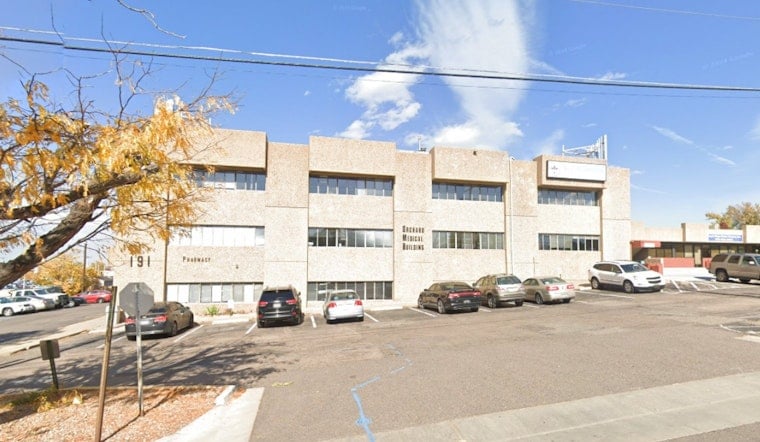
Patients receiving addiction treatment through Medicaid at New Beginnings Recovery Center in Littleton are about to lose that coverage. The center's president says the facility was informed that its Medicaid contract expires in February, a deadline that will cut off access to inpatient, residential, and outpatient care for members who rely on the state insurance program to pay for treatment.
The news, first reported by CBS News Colorado, adds New Beginnings to a growing list of Colorado behavioral health providers losing their footing in the state's Medicaid system. The Littleton center currently holds a contract to serve Medicaid members and offers a range of clinical services, including Vivitrol medication-assisted treatment, neurofeedback, and vibroacoustic therapy, according to background compiled by Recovered.org. The center also holds Gold Seal accreditation from The Joint Commission, per the same listing.
A Statewide Shift Away From Guaranteed Contracts
New Beginnings' looming contract expiration follows a broader policy shift by the Colorado Department of Health Care Policy and Financing. In late 2025, the state agency released a provider memorandum moving away from its longstanding “any willing provider” approach to Medicaid contracting, instead authorizing Regional Accountable Entities to selectively contract with behavioral health providers based on regional service gaps and quality performance metrics, according to the Colorado Sun.
The state also tightened administrative enrollment rules. Effective December 31, 2025, the department retired a generic specialty code that many substance use disorder clinics had used, terminating Medicaid enrollments for facilities that failed to register specific American Society of Addiction Medicine treatment levels. That change was outlined in state guidance published by the Colorado Department of Health Care Policy and Financing. On top of that, Colorado lifted a directive on July 1, 2025, that had required regional Medicaid entities to pay enhanced rates to essential safety-net behavioral health providers, shifting those rate decisions to market-driven negotiations, the Colorado Sun reported.
Overdose Deaths Climbing as Coverage Narrows
The contract disruptions are unfolding against a grim public health backdrop. Colorado recorded 1,610 drug overdose deaths in 2024, an age-adjusted rate of 27.0 deaths per 100,000 residents that marked the fourth-highest annual overdose death rate in state history, according to USAFacts. Synthetic opioid deaths in the state also bucked the national trend, rising from 803 in November 2024 to 957 by August 2025 even as such fatalities declined nationally, per the Common Sense Institute.
Law enforcement officials in Colorado have pointed to research showing that every $1 spent on medication-assisted treatment for substance use disorders saves $14 in combined Medicaid reimbursements and correctional facility expenses, according to reporting by the Denver Gazette. That cost-benefit argument has become a central talking point for advocates warning that pulling Medicaid contracts from treatment centers could ultimately cost the state more than it saves.
Part of a Pattern Across the Front Range
New Beginnings is not the first Front Range provider to lose Medicaid ground this year. Hoodline previously reported that Jefferson Center pulled its recovery program in Lakewood after a $2 million Medicaid reimbursement cut forced the closure of its adult residential recovery program. Similar regional impacts on rehab clinics have been documented in the Twin Cities area as changing state and federal Medicaid rules ripple through the treatment system.
State officials frame the changes as necessary fiscal discipline. Spending by the Colorado Department of Health Care Policy and Financing doubled from $8 billion in 2015 to $16 billion in 2025, outpacing the combined growth of Medicaid enrollment and medical inflation, according to a Common Sense Institute analysis. Meanwhile, federal regulators granted the state a temporary extension of its Section 1115 “Expanding the Substance Use Disorder Continuum of Care” demonstration waiver through the end of 2026, and the state has opened a public comment period, running through September 25, on proposed changes to housing and nutrition supports for Medicaid members in recovery.
For New Beginnings patients, those state-level policy debates translate into a hard deadline. With the center's Medicaid contract set to expire in February, patients relying on the program to cover inpatient, residential, or outpatient treatment will need to find new coverage before care that many depend on to stay in recovery disappears.





