

























































A Martin County senior citizen nearly lost $600,000 to a scam that convinced him to convert his savings into gold bars, but quick action from his bank and a responding deputy stopped the transaction and got him every dollar back. The scheme followed a pattern that has become alarmingly common on Florida's Treasure Coast, where a fraudster posing as a representative of the victim's own financial institution talked him into believing his money was at risk unless he acted fast.
According to the Martin County Sheriff's Office, as reported by WPEC, the fraudster claimed to be from the victim's bank and told him his account had been compromised. The caller convinced the senior that the safest way to protect his money was to back it up with gold, then instructed him to send $600,000 to a legitimate gold vendor. Per the sheriff's office, the scammer told the victim a third-party driver would later pick up the gold and deliver it to the bank.
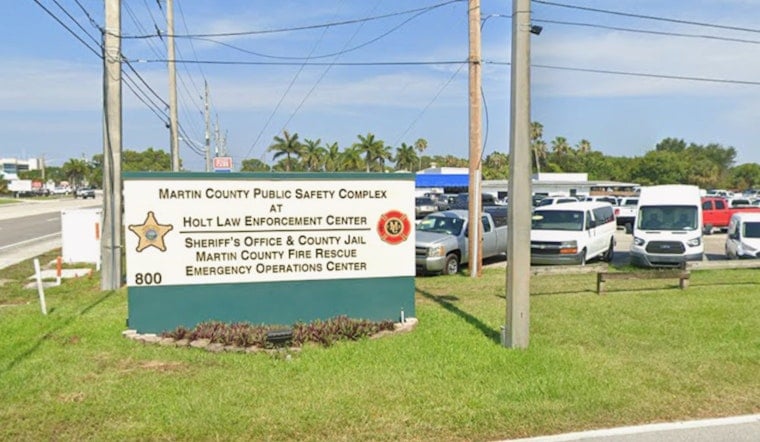
It was only after completing the transaction that the victim realized something was not right. He went straight to his bank, which recognized the situation as potential fraud and advised him to contact the Martin County Sheriff's Office. A responding deputy then spoke directly with the gold vendor and helped the victim stop the transaction before it could go through, according to the same report. The intervention meant the senior received a full refund of the $600,000.
A Familiar Playbook on the Treasure Coast
This is not the first time Martin County deputies have dealt with gold bar couriers. In June 2024, the sheriff's office ran a sting operation that led to the arrest of a 21-year-old man who had defrauded an elderly resident of $150,000 in gold bars and was caught carrying more than $240,000 in gold bars stolen from another victim, as Hoodline's earlier coverage detailed. In that case, deputies arrested the courier at a designated drop-off location and recovered more than 100 gold bars.
The tactic is not confined to Martin County. In neighboring Indian River County, police in Indian River Shores investigated multi-state gold bar schemes in 2024 in which elderly residents lost more than $1.8 million to scammers posing as government officials, according to Vero News. Local investigators in that case noted that scam rings often move stolen bullion to regional safe houses to melt it down before laundering the proceeds.
Why Martin County Is a Target
The demographics help explain why. U.S. Census Bureau data cited by Stacker shows that roughly 31.2% to 32.2% of Martin County's 165,000 residents are 65 or older, nearly 50% higher than Florida's statewide average of 21%. That places the county among the top ten in Florida for the proportion of senior residents, making it a persistent target for fraud rings that specifically seek out retirees with significant savings.
Florida as a whole draws heavy attention from fraud syndicates. The state ranks second nationally for total elder financial fraud complaints, a trend the Baez Law Firm attributes to Florida's large retired population and concentration of household wealth. The FBI's Tampa Field Office issued a public alert in August 2024 warning Southwest Florida seniors that transnational networks were using tech-support and government impersonation tactics to pressure victims into converting savings into gold bars for courier pickup, with individual Florida losses frequently exceeding $300,000.
A Fast-Growing National Tactic
Federal data underscores how severe this specific type of fraud has become. FBI Internet Crime Complaint Center figures logged in 2024 show gold-related courier schemes caused $219 million in reported losses nationwide, with victims losing an average of $417,000 per incident, according to ZeroScam. A separate FBI advisory issued in September 2025 warned that scammers routinely hand victims fake passcodes, serial numbers, or bogus Treasury storage locker numbers to make the gold handoffs appear legitimate, after first convincing victims that their bank accounts have been compromised.
The broader trend of elder fraud is accelerating fast. Nationwide losses to seniors rose 59%, from $4.885 billion in 2024 to $7.748 billion in 2025, affecting more than 201,000 victims, with average losses per incident reaching approximately $38,500. Under Florida Statute Section 825.103, financial exploitation of an elderly person involving assets worth $50,000 or more is a first-degree felony punishable by up to 30 years in prison, a legal exposure that has factored into recent prosecutions of gold bar scam operators in cases from Ohio to Missouri.
It remains unclear whether investigators have identified the specific call center or courier network behind the attempt on the Martin County victim, or whether any arrests have followed beyond the canceled wire transaction. What is clear is that the combination of an alert bank and a deputy willing to call the gold vendor directly kept this particular senior from becoming another statistic in a fraud trend that shows no sign of slowing down.




