

























































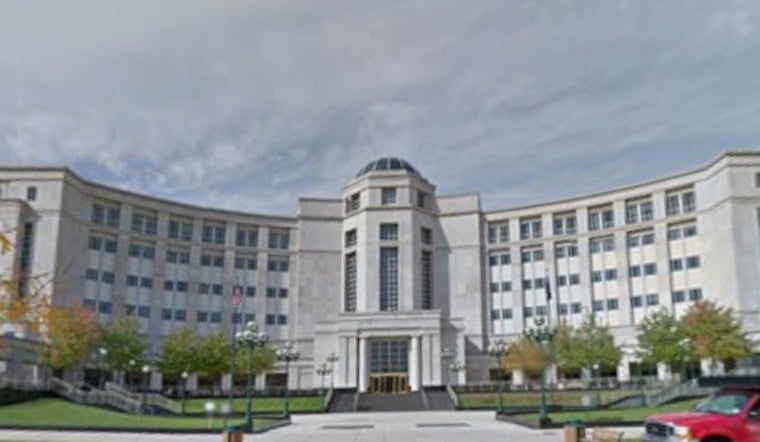
Michigan’s top court has cleared a major legal roadblock standing between Attorney General Dana Nessel and an investigation into Eli Lilly’s insulin pricing, potentially giving state officials new power to scrutinize how regulated companies treat consumers.
In a 4-3 ruling yesterday, the Michigan Supreme Court overturned two earlier decisions that had broadly limited investigations of businesses overseen by state or federal regulators. The decision sends Nessel’s case back to the Michigan Court of Appeals for expedited consideration, according to The Detroit News.
The dispute began in 2022, when Nessel’s office sought to investigate whether Eli Lilly’s pricing practices for insulin violated Michigan’s Consumer Protection Act. The attorney general’s office said at the time that the Food and Drug Administration and Michigan Board of Pharmacy oversee Lilly’s products, but neither agency regulates the company’s pricing, as outlined by the Michigan Attorney General.
A Legal Shield For Regulated Businesses Gets Narrower
The two cases overturned Friday, Smith v. Globe Life Insurance Co. from 1999 and Liss v. Lewiston-Richards from 2007, had been read to shield entire industries from consumer-protection investigations whenever their businesses were generally regulated by another government agency. The Supreme Court found that interpretation did not match the plain language of the law, according to The Detroit News.
That broad reading had effectively put nursing homes, construction companies, medical professionals, pharmaceutical manufacturers and other licensed businesses behind a legal wall, even when the specific conduct under scrutiny was not directly regulated. Nessel welcomed the ruling as a way for consumer-protection officials to respond when residents say they were deceived or charged unfair prices.
The ruling does not find that Eli Lilly violated Michigan law, and it does not guarantee that Nessel’s investigation will ultimately produce charges or a lawsuit. It instead removes the precedent-based barrier that lower courts said prevented them from considering the attorney general’s request.
Businesses Warn Of Overlapping Rules And Lawsuits
Justice Kyra Harris Bolden dissented, arguing that Nessel’s office lacked standing and had not adequately alleged unfair, unconscionable or deceptive conduct actionable under the consumer-protection statute. Business groups have warned that the majority’s decision could expose regulated industries and licensed professionals to overlapping standards and more litigation.
The Michigan Alliance for Legal Reform has urged lawmakers to codify a regulatory-compliance exemption, arguing that companies need predictable rules while the court fight plays out. The group said the ruling could broaden exposure for businesses operating in Michigan, a position detailed in its statement supporting legislation.
What Happens Next In The Lilly Case
The Court of Appeals must now revisit the case under the Supreme Court’s new interpretation of the Michigan Consumer Protection Act. The central question will be whether Nessel’s office can use its investigative authority to examine Lilly’s insulin pricing, not whether the company has already been found responsible for wrongdoing.
The case could also shape future consumer-protection disputes involving pharmaceutical companies, health care providers and other heavily regulated businesses. For Michigan residents facing steep prices for insulin or other essential medications, Friday’s ruling opens a courtroom door that had been shut for more than two decades.





