

























































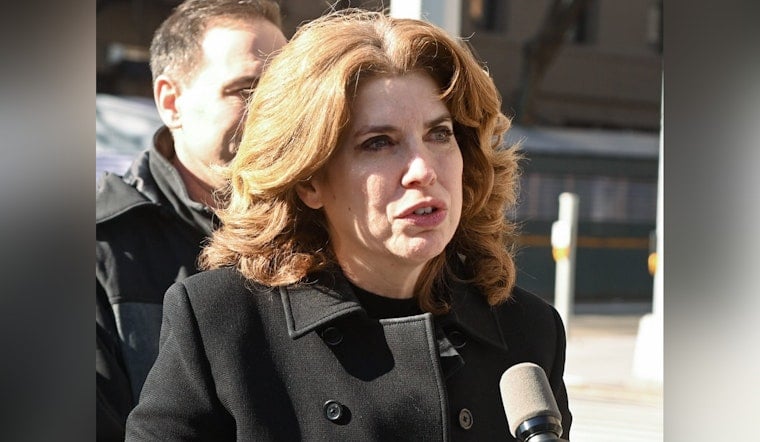
New York City lawmakers passed legislation Thursday creating what officials describe as the nation's first Office of Insurance Affordability, a new city entity aimed at shielding residents from predatory insurance practices and runaway premium increases. The bill, designated Intro 0685-2026, was introduced by Council Member Julie Menin along with 17 co-sponsors earlier this year.
According to the New York City Council, the office is meant to protect New Yorkers from predatory insurance practices and the rising costs that have hit businesses and landlords alike, who in turn have raised prices on tenants and customers. Under the legislation, detailed in records from the New York City Council, the new office will sit inside the city's Department of Consumer and Worker Protection and will be led by an insurance affordability advocate appointed by the DCWP commissioner. Its authority will stretch across nearly every line of consumer insurance except health coverage, and the local law is set to take effect one year after enactment.
What the New Office Can Actually Do
The legislation directs the office to track lawsuits alleging deceptive, fraudulent, or unfair insurer practices, conduct annual studies of the consumer insurance market, and maintain clear instructions for New Yorkers who want to file formal complaints with state regulators, per the council's own bill text. That last function matters because the city cannot set or cap insurance rates itself. Actual rate approvals and insurer licensing in New York remain the sole authority of the state Department of Financial Services, which oversees more than 1,900 insurance companies holding over $6.4 trillion in assets, according to the New York State Department of Financial Services.
That jurisdictional split means the new office functions primarily as a watchdog and consumer-education hub rather than a rate-setting body. It will publish research, flag bad actors, and steer frustrated policyholders toward the state complaint process, but any lasting relief on premiums still runs through Albany.
A Companion Push Aimed at Albany
The council did not stop at creating the office. Its same agenda for the day also included Resolution 0387-2026, which calls on the New York State Legislature to pass pending bills meant to rein in escalating property insurance costs threatening affordable housing, according to council meeting records. The pairing signals that city lawmakers see the new DCWP unit as one piece of a broader lobbying effort rather than a complete fix.
Why Premiums Have Spiraled for NYC Landlords
The cost pressures behind this push are steep. Federal Reserve research released last September found that property insurance costs for apartment buildings nationwide climbed more than 75% between 2019 and 2024, jumping from an average of $39 per unit per month to $68. In New York specifically, real estate data reported by United Policyholders found that average premiums for city apartment buildings with at least 50 units more than doubled in Brooklyn and rose over 50% in both Manhattan and Queens between 2020 and 2023.
Insurers point to a different set of drivers. In testimony submitted to the New York State Senate last November, the American Property Casualty Insurance Association attributed sharp property loss increases to a 94% surge in New York home values over the prior decade combined with elevated construction material costs. The dueling explanations underscore why the debate over insurance affordability has become as much about underlying economic forces as about industry conduct.
State Action Already Underway
City officials aren't alone in responding to the squeeze. Governor Kathy Hochul's enacted state budget for the 2027 fiscal year, signed in May, included measures aimed at increasing transparency in residential property insurance markets and lowering auto insurance rates for drivers statewide, according to the New York State Executive Chamber. Combined with the council's new office and its resolution urging further state action, the moves suggest insurance costs have become a shared priority across both levels of New York government — even as the tools available to city lawmakers remain limited to advocacy, tracking, and education rather than direct rate control.





