

























































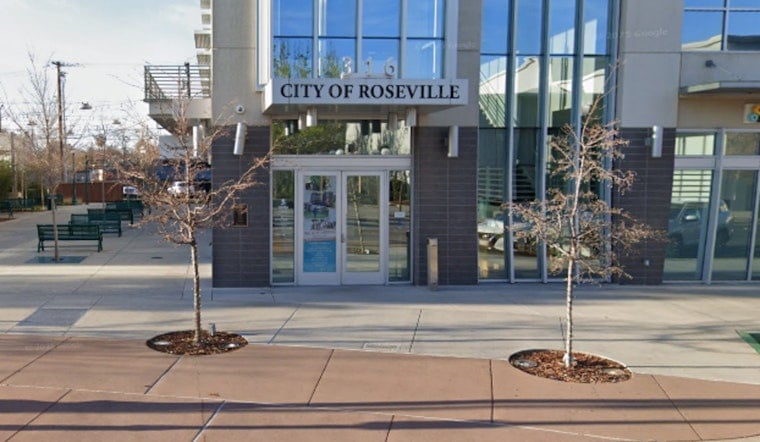
Roseville could soon make it more expensive to build apartments and some businesses while trimming connection costs for lower-density housing. The proposed utility and trash-fee changes would shift more of the cost of future growth onto new development as the city prepares for thousands of additional homes.
The Roseville City Council is expected to consider the ordinance on its first reading, with the revised fees potentially taking effect October 19, according to The Sacramento Bee. The changes are based on studies of utility-service costs and are intended to make new construction pay for the infrastructure it requires.
Apartment Water Fees Would Take The Biggest Hit
The sharpest increase would affect high-density residential projects, where the water connection fee would rise from $5,074 to $6,808 per unit. That is a $1,734 jump, or roughly 34%, which the city’s analysis attributed to higher-than-expected water use among high-density housing residents.
Lower-density projects would move in the opposite direction. The low-density residential fee would fall from $12,688 to $12,388, while the medium-density fee would drop from $7,614 to $6,970.
Sewer And Trash Charges Would Also Change
Roseville’s local sewer connection fee would increase from $460 to $817 per sewer unit, a $357 hike that amounts to a 77.6% increase. The proposed fee is meant to help pay for future sewer improvements, including maintenance facilities and equipment.
Solid-waste charges would be recalculated as well. The fee for multifamily projects would move from a flat $139 per unit to 21 cents per square foot, while single-family homes on lots smaller than 10,000 square feet would see the fee rise from $410 to $417; homes on larger lots would face a new $582 charge.
The commercial and industrial solid-waste impact fee would increase from 34 cents to 36 cents per square foot. A City-commissioned study said the updated waste fees are based on the vehicles, carts, containers and collection equipment needed to serve new properties.
The City Says Growth Should Fund Its Own Expansion
Roseville says these are one-time charges on new development, not monthly utility-rate increases for existing customers. The city describes impact fees as funding for pipes, pumps, storage, sewer capacity and other expansions, while monthly bills pay for ongoing operations and maintenance.
That distinction matters as Roseville plans for nearly 11,900 additional equivalent dwelling units by 2035 and more than $786 million in water infrastructure projects. The city’s infrastructure planning says developer impact fees are used to increase capacity for new service demands, while utility bills help rehabilitate existing systems.
The policy debate is the familiar California growth-fee squeeze: officials want new construction to pay its fair share, while builders warn that every added charge can make housing harder to finance. A separate regional analysis reported by The Sacramento Bee found that average fees on new homes across the Sacramento region had climbed to about $109,000, meaning Roseville’s proposed changes would land on top of an already substantial development-cost stack.




