

























































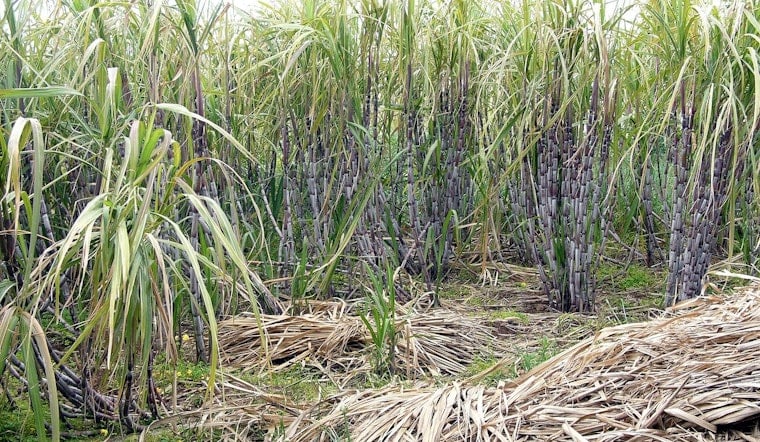
Sugarcane cutters at Central Romana's farms in the Dominican Republic are still living in dilapidated, overcrowded company housing, some without electricity or potable water, according to a new report from a labor rights watchdog. The report alleges that abusive conditions at the company have not been rectified even after the United States lifted its ban on importing the company's sugar. Workers described intimidation and threats from superiors, excessive overtime, and poverty wages, according to the findings.
The report comes from the Corporate Accountability Lab, which conducted more than 100 formal interviews across five visits to Central Romana farms and worker housing between January 2023 and December 2025, as reported by The New York Times. Charity Ryerson, the group's executive director, said the conditions were more or less the same as when U.S. Customs and Border Protection first issued its Withhold Release Order against the company. Central Romana is the largest sugar producer in the Dominican Republic, and most of its workers are of Haitian descent.
Central Romana has denied labor violations at its farms and says it operates with ongoing improvements to employee working and living conditions, according to the Times report. The company has connected at least one housing area to the electrical grid and deployed a medical van to treat minor health issues in the cane fields, the newspaper noted. Jorge A. Sturla Ferrer said presenting the accusations as facts was defamatory in nature, the same report states.
How the Import Ban Began and Ended
The Biden administration identified conditions of forced labor on Central Romana's plantations and blocked its sugar imports into the United States in November 2022. U.S. Customs and Border Protection cited five International Labor Organization indicators of forced labor when it issued the Withhold Release Order, according to U.S. Customs and Border Protection. The action was carried out under Section 307 of the Tariff Act of 1930, a federal statute barring goods made with forced or indentured labor from entering U.S. commerce.
The agency modified the order to inactive status effective March 17, 2025, restoring the company's access to the U.S. market, per Sandler, Travis & Rosenberg, P.A. The modification came with a condition that Central Romana provide labor-standards certification within six months, according to the Times report. Kelly M. Fay Rodríguez said issues at the company persisted when she left government in January 2025, the newspaper reported.
A Canceled Briefing and a Quick Reversal
Customs officials had scheduled a briefing with the Corporate Accountability Lab for February 28, 2025, but canceled it one day before it was set to happen, according to the Times account. Two weeks after that canceled briefing, U.S. Customs and Border Protection modified the import order against the company. The Corporate Accountability Lab has reported that the reversal was procedurally irregular and followed significant donations to the Trump campaign.
Six Dominican civil society organizations argued in a June open letter that forced labor continued on Central Romana farms, according to the Times report. The watchdog group's earlier findings also noted only limited improvements to housing and latrines during the roughly three years the import ban was active.
Lobbying Dollars and Political Ties
Central Romana spent more than $1.3 million on lobbying from the beginning of 2023 through the end of 2025, the newspaper reported, hiring the firms Akin Gump, Patino Brewster & Partners, and Barsa Strategies. All three firms filed to terminate their lobbying registrations after the import ban was lifted, according to the same report.
Fanjul Corporation, the Florida-based company that holds a 35% stake in Central Romana, donated $1 million to Make America Great Again in 2024 and $413,000 to the Republican National Committee the same year, per the Times reporting. Pepe Fanjul hosted a $50 million fundraiser for the Trump campaign in May 2024, the newspaper reported. Fanjul acquired its stake in Central Romana in 1984 from Gulf + Western, linking the Dominican producer to an American sugar empire that includes Domino Sugar, Florida Crystals, and C&H Sugar, according to Forbes.
Why the Sugar Trade Matters
The Dominican Republic receives the single largest foreign country allocation under the U.S. Tariff-Rate Quota system for raw cane sugar, at 189,343 metric tons for fiscal years 2026 and 2027, roughly 17% of the total foreign quota, according to the Federal Register. Central Romana supplies approximately 63% of the sugar the country exports under that quota, according to Forbes. The company is the largest private employer and landowner in the Dominican Republic, employing roughly 25,000 workers across its agricultural and industrial operations, per The Freedom Story.
Field reports documented that harvesters earned approximately $125 per month in 2022 while working 10- to 13-hour daily shifts, compared with the Dominican Republic's national average monthly salary of $777, according to the same organization. The U.S. Department of Labor first added Dominican Republic sugarcane to its List of Goods Produced by Child Labor or Forced Labor in 2009, more than a decade before the import ban, citing wage withholding, abusive conditions, and excessive overtime.
Bateyes and the Threat of Deportation
Thousands of Central Romana cane cutters live in company-owned field settlements known as bateyes, where a lack of formal identity documents or recognized citizenship among Haitian migrant workers leaves them exposed to deportation threats and dependent on the company for shelter, according to Cronkite News. The Dominican Republic has carried out a plan to deport thousands of people of Haitian descent since 2023, according to the Times report. A 2013 Dominican constitutional ruling retroactively stripped citizenship from thousands of residents of Haitian descent, per the Cronkite News report.
A prior lawsuit filed by 24 workers in U.S. federal court in January 2020 accused Central Romana and Fanjul Corp. of forcibly evicting families and destroying homes in the bateyes. That case was dismissed in 2021 after a court ruled Fanjul's 35% stake did not establish alter-ego liability, according to the Corporate Accountability Lab. The dispute over responsibility for conditions in the bateyes remains a central and unresolved question in the years since.





