

























































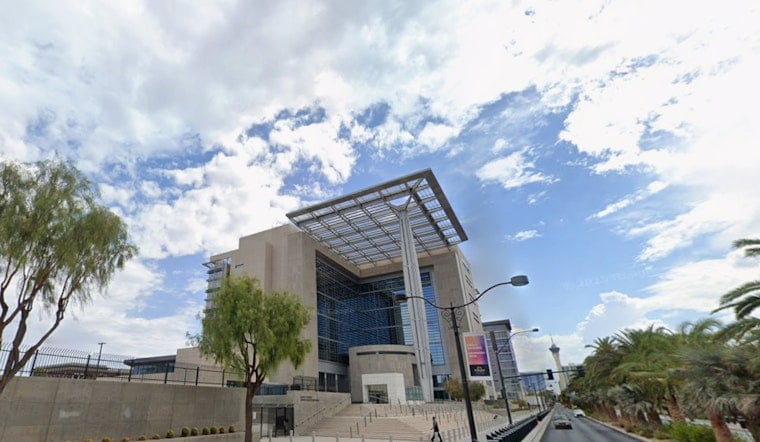
Nevada's Democratic House delegation gathered in Las Vegas on Sunday for a shadow hearing where expert witnesses tied President Donald Trump's business dealings and policy decisions to soaring gas prices, a sinking tourism economy and a wave of Southern Nevada layoffs. Lawmakers Dina Titus, Susie Lee and Steven Horsford heard testimony describing 2025 as the most lucrative year of Trump's life, even as Nevada families absorbed some of the steepest cost-of-living increases in the country.
The session, organized through the House Committee on Oversight and Government Reform, arrived as Nevada regular gasoline averaged $4.82 per gallon, according to the AAA fuel price tracker, roughly a dollar more per gallon than a year earlier. As Nevada Current reported, national gas prices peaked above $4.50 per gallon in May, about 50% higher than in February, and remain close to $4 per gallon nationally. Liz Pancotti, a representative of Groundwork Collaborative, told the hearing that fuel costs rose as a direct result of Trump's war in Iran and that the broader affordability crisis stemmed from several cost-of-living pressures hitting families simultaneously.
Tourism Slump Hits Culinary Workers
Las Vegas visitation dropped over 7% in 2025, according to the Las Vegas Convention and Visitors Authority, a decline of more than 3 million visitors compared with 2024 and the city's largest single-year non-COVID visitor-volume decline since 1970. Canada remained the market's largest source of international visitors even as arrivals fell. Harry Reid International Airport's passenger count was down nearly 7% through July compared with the prior year, part of an 18-straight-month decline.
Ted Pappageorge, secretary-treasurer of Culinary Workers Union Local 226, said he believed Trump's hostility toward allies had aggravated the tourism slowdown. Fewer visitors mean fewer customers in casinos and hotels, fewer restaurant covers, smaller tips, and reduced work hours and shifts, which in turn has driven layoffs for union members. Separate reporting has connected the airport's extended slide to the May 2026 bankruptcy and complete shutdown of Spirit Airlines, previously the airport's second-largest carrier, according to the Las Vegas Review-Journal. Hoodline has also reported on how the termination of Temporary Protected Status for Honduran nationals threatens work authorization for up to 5% of the union's 60,000 casino and hospitality members facing a status cliff.
Juanny Remoero, CEO of Las Vegas-based Mothership Coffee, testified that the business has faced razor-thin margins due to tariffs and rising fuel costs. The Supreme Court ruled in February that the broad reciprocal tariffs imposed under the International Emergency Economic Powers Act were unlawful and ordered refunds to firms that paid the import taxes, though the Trump administration has appealed that ruling and tariff importers have so far received refunds in only one case.
SNAP Cuts and Household Bills
Household electric bills have increased 16% nationally since the start of Trump's second term, Pancotti told the hearing. Nevada SNAP participation has declined by more than 20% since summer 2025, a drop that follows new work requirements for SNAP participants implemented under the One Big Beautiful Bill Act. Federal implementation memos confirm the law cuts more than $186 billion from SNAP over ten years and expands mandatory 80-hour monthly work requirements to able-bodied adults up to age 64, up from 54, with state job-shortage waivers now limited to areas where unemployment exceeds 10%, according to the U.S. Department of Agriculture.
The economic toll has reached major Strip employers too. Caesars Entertainment saw a 4.7% drop in Las Vegas net revenue to $4.05 billion and a 19.6% decline in net income for 2025, while MGM Resorts recorded a 4% Strip revenue drop, according to financial filings reported by Reuters. Casino executives have attributed the decrease to broader cyclical weakness in leisure travel and international visitor pullbacks.
Witnesses Point to Self-Enrichment
Donald Sherman, president of Citizens for Responsibility and Ethics in Washington, said Trump administration actions demonstrated corruption and self-enrichment that exacerbated the affordability crisis. According to a CREW report, Trump created 59 companies since winning the 2024 election, and those ventures reported at least $233 million in revenue in 2025. Sherman also said the 2026 G20 Summit, which Trump will host at Trump National Doral Miami, stood to benefit the president's private business.
Sherman's testimony cited a ProPublica report that a company linked to Donald Trump Jr. received a $620 million Department of Defense loan just months after Trump Jr.'s venture capital firm, 1789 Capital, acquired an equity stake in the startup. House Oversight Ranking Democrat Robert Garcia has since demanded internal documents from the company regarding White House intervention. Witnesses also referenced a HuffPost report that Trump's golf trips have cost taxpayers over $100 million in security and travel costs since March 2026.
Rep. Dina Titus criticized Trump's use of public office to profit from Truth Social post access, after Trump Media & Technology Group launched a subscription feed in August charging financial firms up to $100,000 per month for millisecond-faster access to the president's posts and those of senior White House officials. Selling early access to the posts has raised concerns about insider trading, and media organizations including The Intercept filed a federal lawsuit alleging the service unconstitutionally monetizes official executive communications, per TIME.
Expert witnesses at the hearing broadly linked Trump's policies and self-enrichment to rising gas, grocery, housing and energy costs facing Nevada families. Witnesses added that Trump's family could make billions or hundreds of millions of dollars through contracts, loans and cryptocurrency schemes tied to the administration. The hearing followed related Hoodline coverage of local affordability pressures, including reporting on how Las Vegas rents have outpaced Los Angeles and how a third of Nevada young adults still live with their parents amid stagnant wages and high housing costs.





