

























































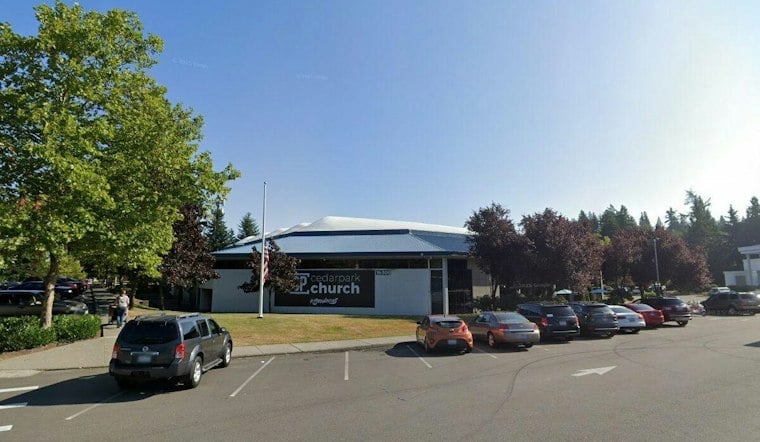
A federal appeals court has rejected a Kirkland-area church's renewed challenge to Washington's law requiring health insurers to cover abortion alongside maternity care, ruling 2-1 that the state's Reproductive Parity Act does not target religious conduct or reflect hostility toward religion. Cedar Park Assembly of God, which provides health insurance to about 140 people, had argued the 2018 law violated its First Amendment right to free exercise of religion.
The ruling, reported by Reuters, closes out a legal fight the church first filed in 2019 and marks the second time the 9th U.S. Circuit Court of Appeals has weighed in on the case, formally titled Cedar Park Assembly of God of Kirkland, Washington v. Kuderer et al, under case numbers 23-35560 and 23-35585. Circuit Judge Susan Graber, an appointee of former Democratic President Bill Clinton, wrote for the majority that the Reproductive Parity Act is rationally related to Washington's interest in improving insured residents' access to reproductive healthcare. The panel also rejected Cedar Park's separate challenge to the state's 1995 conscientious objection statute, which allows employers like the church to decline coverage for services they oppose on religious or moral grounds and provides an alternative coverage arrangement for those services.
A Long Road Through the Courts
The case has bounced through the federal court system for years. Cedar Park's lawsuit was originally dismissed by U.S. District Judge Benjamin H. Settle before being remanded by the appeals court, according to Justia Law. In July 2023, Settle granted summary judgment for Washington state officials, upholding the statute, per Miller & Chevalier Chartered.
A split 9th Circuit panel initially ruled against Cedar Park on standing grounds in March 2025, finding the church lacked legal standing to challenge the Reproductive Parity Act. But the panel withdrew that opinion in July 2025 and ordered new oral arguments, which were heard in January 2026, according to the same Justia Law account of the case's procedural history. The panel's withdrawal of its opinion and decision to hear new arguments set up the decision issued this month.
Dueling Views From the Bench
The 2-1 decision was not unanimous. Circuit Judge Consuelo Callahan, an appointee of former Republican President George W. Bush, dissented, arguing the Reproductive Parity Act was not neutral and that it effectively took sides on abortion coverage. Circuit Judge Lucy Koh, appointed by former Democratic President Joe Biden, joined Graber in the majority.
Cedar Park had argued that even declining to purchase abortion coverage still facilitated abortion indirectly, since employees had to be told how to obtain it elsewhere under the conscientious objection statute. The church believes abortion is sinful and maintained an abortion-free employee health plan before the law took effect in January 2019 — until its insurance carrier added surgical abortion and abortifacient contraceptive coverage, according to facts in the case.
State Officials Call It a Win for Health Equity
The appeals court decision addressed Washington law, reproductive healthcare access, and religious and conscience rights. Attorney Tera Heintz of the Washington Attorney General's Office represented the state in the case, while attorney Rory Gray of Alliance Defending Freedom represented Cedar Park Assembly of God.
The fight drew national attention well beyond Kirkland. Eighteen states and multiple advocacy groups submitted briefs supporting Cedar Park's appeal, according to ADF Media. Those officials argued that state insurance mandates like Washington's violate religious liberty principles, while Washington officials maintain that the conscientious-objection provisions and carrier notification requirements provide sufficient accommodation for objecting employers.
How Washington's Law Fits a Bigger Picture
The Reproductive Parity Act, formally Senate Bill 6219, was passed by the Legislature in March 2018 on a 27-22 Senate vote and signed by Governor Jay Inslee that same month, taking effect the following January. The bill was sponsored by Democratic state Sen. Steve Hobbs to mandate abortion and contraceptive coverage alongside maternity care, according to KIRO 7 News. The bill's requirements were discussed in relation to state insurance regulation and federal insurance law, per the National Health Law Program.
Washington requires state-regulated private health insurance plans covering maternity care to also cover abortion care. Washington has also been discussed in the context of abortion policy. The state has continued addressing abortion access in recent years.



