

























































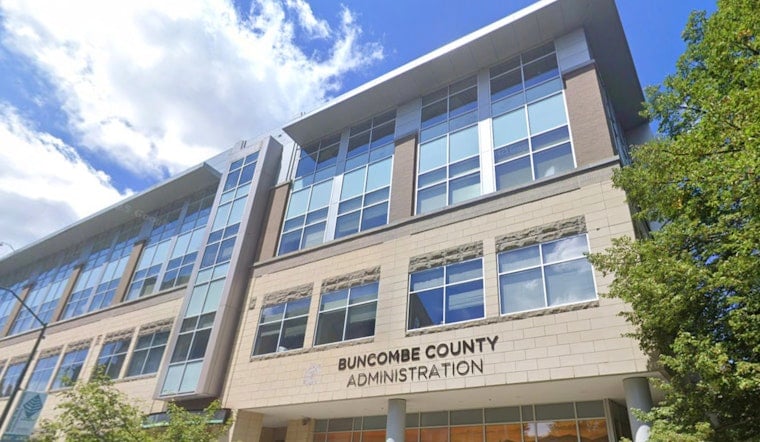
Buncombe County voters will head to the polls in November to decide whether to authorize up to $70 million in new general-obligation bonds, split between $30 million for open space and $40 million for affordable housing. The two measures will appear as separate ballot questions, meaning residents can approve one, both, or neither this election.
The proposal follows a similar $70 million bond package that Buncombe County voters approved in 2022, as reported by 828 News Now. That earlier package, according to Commissioner Terri Wells, has already supported more than 960 housing units, opened up more than 584 acres for public recreation, and funded more than 16 miles of new trails alongside 8 miles of additional trail improvements. Wells said the 2022 bonds also backed more than 2,598 acres of conservation and leveraged more than $322 million in outside funding.
North Carolina election rules require the two questions to appear independently on the November 3, 2026 ballot, according to Enlace Latino NC. That structure gives voters the flexibility to split their support rather than accept or reject the full $70 million package as one unit.
What the Money Would Actually Fund
Buncombe County has not yet identified specific properties, housing developments, or other projects for the proposed 2026 bond money. Open-space projects would go through community advisory board review and commissioner recommendations, while housing projects would undergo staff application review, affordable housing committee recommendations, and Board of Commissioners approval.
The county has set goals of creating 1,850 affordable rental homes and 400 affordable ownership homes, and currently supports repairs for people earning 80% or less of area median income. Wells said the 2022 housing bonds covered about 12.5% of project costs on average, and that fund is now fully allocated. The county's open-space bond from 2022 still has about $2.7 million available for allocation, while Buncombe's strategic plan calls for conserving at least 700 acres each year. Separately, the county allocates $2.3 million annually for affordable housing.
Some of that earlier bond money has already reshaped the map. As Mountain Xpress has reported, 2022 open-space bond funds enabled the county to acquire the 345-acre Deaverview Mountain property in Asheville, where officials plan to invest more than $7.7 million in park infrastructure and trail access overlooking the French Broad River Valley. On the 137-acre Ferry Road site, the county combined $3 million from the 2022 bond with a $4 million Tourism Development Authority grant to build greenways and trails alongside planned affordable housing.
The Price Tag for Homeowners
County estimates put the combined cost of both measures at about $43 annually in added property taxes for a home valued at $446,500, with the open-space bond adding roughly $18 a year and the housing bond adding roughly $25 a year. A feasibility study presented in May by the nonprofit Trust for Public Land offered a somewhat higher independent estimate, projecting that issuing $70 million in new bonds would cost a median-value home of $465,000 about $52 per year over 20 years, a 2.6% tax increase over proposed rates, according to Blue Ridge Public Radio.
Voter approval would authorize the county to issue up to $70 million but would not require borrowing the entire amount immediately; North Carolina law allows up to 10 years after authorization to issue the bonds. Issuing the full $70 million in a single year would add about $5.5 million in annual debt service and would represent about 1.63% of the county's legal debt limit. The Local Government Commission must approve the timing of any bond issuance, which otherwise depends on cash-flow needs, project schedules, and bond-market conditions.
Buncombe County expects $64.58 million in total debt-service payments during fiscal year 2027, with $28.69 million of that funded through property taxes. The 2022 housing and open-space bonds currently account for about $4.5 million of that property-tax-supported debt service, while the remaining debt service is paid through dedicated funding sources separate from property taxes.
A Tighter Fiscal Climate Than 2022
Buncombe's 2026 property reappraisal generated more than 16,000 tax appeals, prompting state lawmakers to pass SB 889, which delayed implementation of the new schedule of values until 2027, per the Buncombe County government. That backdrop of tax friction arrives as the county separately held public hearings in 2025 and 2026 on issuing up to $70 million in Limited Obligation Bonds to refinance existing 2015 county debt, a non-voted financing tool that does not require ballot approval the way general-obligation bonds do.
Wells said the proposed bonds would build on progress made under the 2022 measures and continue the county's long-term goals, and that the priorities reflect goals set through the county's comprehensive and strategic planning processes. She also said the bonds could help advance priorities in the county's Helene recovery plan, which includes open-space and conservation goals along with a call for a land-use and management plan for county-acquired hazard-mitigation properties.
Advocacy and the Case for a Yes Vote
A registered advocacy committee called Vote Yes on Bonds formed in August to campaign for the ballot measures, co-chaired by Leah Wong Ashburn and former Buncombe Board of Commissioners Chair Brownie Newman, according to the Vote Yes on Bonds campaign. The group has pointed to data showing more than 46,000 Buncombe County residents spend 50% or more of their household income on housing costs, a figure well above the federal threshold of 30% used to define cost-burdened households.
County commissioners had previously weighed adding a school capital projects bond to this November's ballot, but School Capital Fund Commission Chair Terri Wells announced that leaders postponed that proposal to 2028, keeping the 2026 referendum focused solely on housing and conservation. Buncombe voters approved the 2022 bond package by wide margins, with the open-space measure passing with 68.88% support and the housing measure passing with 61.6% support, according to the North Carolina State Board of Elections. Whether that same level of enthusiasm carries into November will become clear when ballots are counted.



