

























































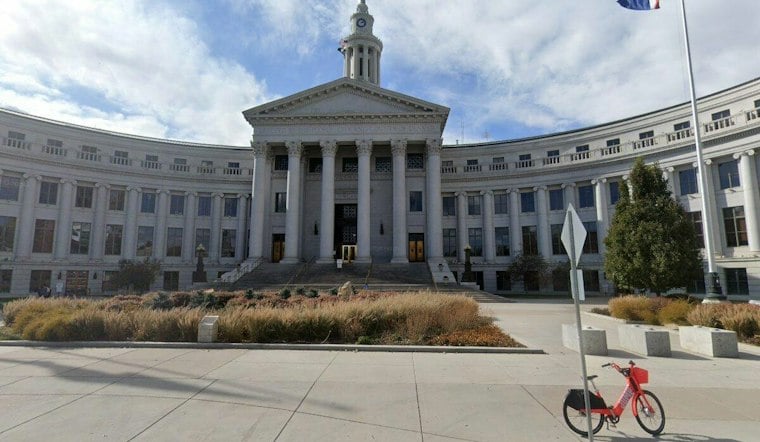
Denver voters will decide Nov. 3 whether to amend charter rules for hiring and managing police and fire employees. The central governance question in Referred Question 2J is not only what employment rules would change, but which future changes could be made by City Council and which would continue to require a citywide vote. The proposal originated as Bill 26-1048, with a companion code measure, Bill 26-1055, in Denver’s Legistar records.
A change in where some rules live
Question 2J would move some hiring-process details out of the charter and into municipal code, allowing council to revise those provisions by ordinance rather than referring each change to voters. Denverite’s account of the proposal says it would also remove charter language requiring applicants to be “of good moral character,” which a council office memo described as undefined, and remove longevity-pay requirements already addressed through collective bargaining agreements. The effect is a shift in how some rules can be updated; it does not, by itself, establish what council might do with that authority later.
Other proposed changes concern employees’ time and department procedures: probation would be extended when an employee takes approved medical, military or other extended leave; gender-neutral language would be added; caps on command staff positions would be eliminated; and public-safety managers would have 20 business days, rather than 15 calendar days, to review disciplinary matters, Denverite reports.
The commission’s role—and a separate oversight office
The Civil Service Commission is part of the system the measure addresses, but it is not Denver’s only public-safety oversight institution. The commission’s 2025 strategic-plan booklet lists hearing disciplinary appeals of classified members among its charter duties. Separately, The Denver Post reported that the Office of Independent Monitor provides civilian oversight of Denver’s police and sheriff departments. The Post traced that office’s creation to 2004, after two controversial police shootings. These are distinct roles; the existence of civilian oversight does not answer how the proposed civil-service rules would work in a particular case.
Question 2J would also remove the U.S.-citizenship requirement for Civil Service Commission members. That proposal follows Denver voters’ 2024 approval of Referred Question 2T, which removed the citizenship requirement for police and firefighter applicants, according to Ballotpedia. Police1’s account of the earlier change placed it in the context of a 2023 Colorado law allowing DACA recipients to serve as peace officers and a 2016 Justice Department settlement with the Denver Sheriff Department over noncitizen hiring discrimination. The measures concern different eligibility rules: 2T addressed applicants, while 2J would address commission membership.
What is known before the vote
Denverite reported that the proposal followed a year of review involving city agencies, unions and a charter review task force, and that the City Council voted unanimously in August to refer it to voters. The Police and Fire departments support the amendment, according to that report. The Democratic Party of Denver has also endorsed it, while the article reports no registered opposition campaign and no reported campaign spending for or against the measure at the time of its reporting.
Those endorsements and the absence of an organized opposition campaign do not settle the governance tradeoff. Voters are being asked to approve both specific employment-rule changes and a pathway for council to revise some details later without another ballot measure. The proposal should not be confused with Denver’s unrelated 2022 Referred Question 2J, which concerned retaining sales-tax revenue for climate programs, as documented in Ballotpedia’s Denver ballot-measure records.




