

























































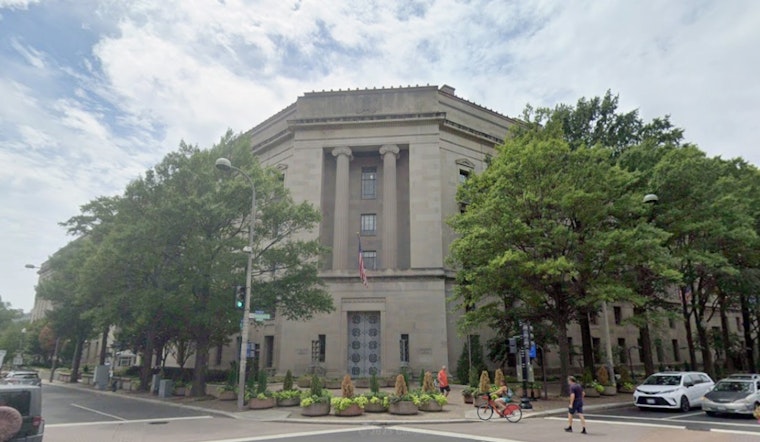
A Detroit man pleaded guilty this week to running a tax fraud scheme that sought more than $7 million in bogus refunds by filing over 200 nearly identical false returns for clients around the city. Rodney Underwood admitted to filing a false claim in federal court on Tuesday, prosecutors say, capping a scheme built on fabricated income and withholding figures designed to trigger refunds his clients were never entitled to receive.
Underwood ghost-prepared the tax returns, according to prosecutors, meaning he left the paid preparer section blank on each filing so the returns appeared to be self-prepared rather than the work of a professional he was being paid to do. As FOX 2 Detroit reports, he reported false dividend income and false withholding amounts on the returns he filed for clients from various locations in Detroit, and he never reported the fees he collected from the scheme as income on his own individual tax returns. The case was investigated by IRS Criminal Investigation and is being prosecuted by Trial Attorneys Shawn Noud and Alexis Hughes of the Justice Department's National Fraud Enforcement Division Tax Section, according to the Department of Justice.
A Scheme Built on Invisibility
The tactic Underwood used has a name federal investigators have flagged repeatedly this year: ghost preparing. Under Internal Revenue Code Section 6109(a)(4), any paid tax preparer is legally required to obtain a valid Preparer Tax Identification Number and sign every return filed on a client's behalf, a mandate Underwood sidestepped by omitting his signature and PTIN from more than 200 filings, according to a summary published by AdviceOnly. The IRS placed ghost preparers on its 2026 “Dirty Dozen” list of tax scams this spring, warning taxpayers that they remain personally legally liable for false claims filed in their name even when a preparer hides behind the appearance of a self-filed return, per the agency's own guidance.
That warning carries real weight for Underwood's Detroit-area clients. Because ghost-prepared returns leave no official trace connecting the preparer to the filing, the IRS can hold individual taxpayers responsible for the false dividend income and withholding claims on their returns unless investigators build a paper trail proving preparer fraud. Colin M. McDonald, in comments distributed by the Justice Department, put it bluntly: filing false returns “isn't a shortcut — it's pure theft,” and he said the department will pursue people who intentionally cheat the tax system.
Financial Toll and What Comes Next
Prosecutors say the scheme sought more than $7 million in fraudulent refunds and ultimately caused about $6.2 million in actual government losses. Underwood faces up to five years in federal prison, the statutory maximum under 18 U.S.C. § 287, the felony statute covering false claims made to a federal agency, according to a summary from Eisner Gorin LLP. Notably, prosecutors pursuing charges under that statute are not required to prove the government actually disbursed the funds or suffered a loss to secure a conviction, per an explainer from Sigal Law Group — a distinction that helps explain why the full $7 million claimed carries legal weight regardless of what was ultimately paid out.
Underwood is scheduled to be sentenced on Jan. 6, 2027, when a federal district court judge will weigh sentencing guidelines and statutory factors, including the $6.2 million in actual losses, to determine his prison term and any financial penalties. Beyond the criminal exposure, paid preparers who conceal their identity or refuse to sign client returns can also face civil penalties under Internal Revenue Code Section 6695, a separate administrative track prosecutors did not say whether they intend to pursue here. Whether the IRS will separately seek civil penalties or tax adjustments against Underwood's clients to recover the disbursed fraudulent refunds remains an open question.
Part of a Broader Federal Crackdown
Underwood's case fits a pattern IRS Criminal Investigation has pursued across the country this year. Hoodline has previously reported on a Needville tax preparer accused of inflating refunds near Houston, a Minneapolis preparer convicted in a $1 million refund scheme, and a Miami case involving a $4.2 million guilty plea over false trust and personal returns. These complex preparer-fraud investigations typically require long paper trails and extensive document reviews, with special agents and federal prosecutors coordinating for months or years before charges are filed. Even so, federal criminal tax prosecutions remain rare relative to the total volume of returns filed each year, with IRS Criminal Investigation opening under 2,000 criminal cases nationwide in a typical fiscal year — a reminder that cases of Underwood's scale are reserved for what investigators consider egregious, systematic fraud.





