

























































Federal Reserve Governor Michael Barr told a Detroit audience Tuesday that further interest rate adjustments are likely needed to bring inflation back down to the central bank's target in a timely fashion, pointing to a mix of geopolitical shocks, tariffs, and an unprecedented boom in artificial intelligence investment as the culprits behind stalled progress. Barr said bringing inflation back to the Fed's 2% goal remains the best path toward eventually lowering mortgage rates, auto loans, and other borrowing costs for ordinary Americans.
A Fed Governor Lays Out the Case for More Hikes
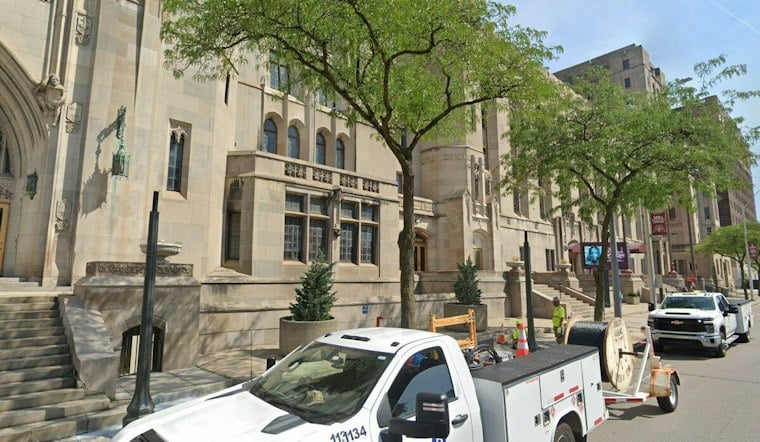
Speaking at the Detroit Economic Club at the Masonic on Tuesday, Barr said the combined effect of the U.S.-Israel war with Iran, tariff increases from April 2025, and surging AI-related demand has disrupted the Federal Reserve's progress toward its 2% inflation target, according to The Detroit News. Inflation, which peaked at a 12-month rate of 7% in 2022, had moved closer to the Fed's goal by early 2025 thanks to monetary tightening and easing supply constraints, per the same account. Barr's remarks come just two weeks after the Federal Reserve's Federal Open Market Committee voted unanimously, 12-0, to raise its benchmark rate by a quarter-point to 3.75%–4.00% on September 16, marking the central bank's first hike in three years, according to the Federal Reserve Board.
Barr put numbers behind his warning: only two of the preceding 20 months produced inflation data consistent with the Fed's 2% core personal consumption expenditures target, and core PCE inflation has now run above that target for five and a half years, as reported by Seeking Alpha. The U.S. economy grew at roughly a 2% real GDP rate in the first half of 2026, and Barr said he expects growth to pick up somewhat in the second half, the Detroit News reported.
Wall Street Bets on Another Hike, But Not Everyone Agrees
Financial market futures increasingly reflected expectations of hikes at both remaining meetings, according to Forbes. That expectation reflects the Fed's own Summary of Economic Projections released September 16, which showed 16 of 18 FOMC participants anticipating at least one more hike in 2026, per BBVA Research.
Not every Fed leader is on board with moving quickly. New York Fed President John Williams pushed back on the market's assumptions Tuesday, saying, according to Morningstar, that “there is no need for urgency” to raise rates again in October, even as he allowed that one more hike later in 2026 remains plausible if the data warrants it. The comment exposes a real split atop the FOMC, where Williams holds a permanent voting seat, over how aggressively to keep tightening after the September 16 move.
How AI Spending Is Feeding Into Prices
Barr explained that AI development has created a new source of economic demand, with surging demand for computer chips pushing up prices for computers and other chip-dependent goods. He said massive AI capital expenditures are driving up costs for specialized data center equipment, which then raises input costs for non-technology companies competing for the same components, a mechanism detailed by Seeking Alpha. Fed Governor Lisa Cook struck a similarly hawkish note a day earlier at Oakland Tech Week, warning that surging AI investment is creating immediate price pressure for chips, energy, and water, noting that electricity and water costs had each climbed roughly 5% over the prior year, according to Benzinga.
Barr said there is little evidence so far of significant job displacement across the broader economy, though he acknowledged AI may be limiting opportunities for entry-level workers in some sectors. Job creation averaged about 80,000 jobs a month in 2026, with unemployment holding at 4.1%, and Barr noted that lower net immigration has reduced the number of new jobs needed to keep pace with labor-market growth. He said companies may need time to reorganize their business processes in response to AI, and that managing short-term labor disruptions may be necessary for the technology's long-term benefits to materialize.
The Long View: Productivity Gains Versus Near-Term Pain
Despite the near-term price pressure, Barr said he remains optimistic that AI could improve productivity and raise living standards, potentially enabling faster economic and real-income growth without fueling more inflation. He called a medium-term AI productivity boost a reasonable projection, while identifying AI's effects over the next two to five years as the greatest source of uncertainty for monetary policy. Looking further out, Barr said AI-driven expectations of higher future productivity and household earnings could reduce savings rates and raise investor return expectations, potentially pushing up the economy's neutral rate of interest, according to American Banker. A higher neutral rate would mean borrowing costs need to stay elevated just to keep the economy from overheating.
That long-run optimism is tempered by evidence from the ground: nearly half of small employer firms are now adopting AI, and 71% of adopters report productivity gains despite the broader inflation concerns, according to Federal Reserve Small Business Credit Survey data cited by The Black Executive Journal. Business investment and consumer spending have continued to support a solid labor market even as the inflation debate intensifies, per the Detroit News account of Barr's speech.
Supply Shocks the Fed Cannot Fix With Rate Hikes
Barr's speech lands amid a broader chorus of Fed officials wrestling with the same dilemma. Chicago Fed President Austan Goolsbee has warned that supply-side shocks from Middle East oil disruptions and tariffs place severe constraints on monetary policy, since rate hikes can cool consumer demand but cannot repair a disrupted energy supply chain. Philadelphia Fed President Anna Paulson raised a nearly identical alarm last week, citing persistent inflation, Middle East energy shocks, tariffs, and AI investment as reasons additional hikes may be necessary. The Middle East conflict pushed energy prices and inflation higher beginning in February 2026, compounding pressure that tariff increases had already added to goods prices back in April 2025.
With Barr and Cook now pushing for more tightening while Williams counsels patience, the fight over how the Fed responds to AI-driven demand and supply shocks alike appears far from settled heading into the October meeting.





