

























































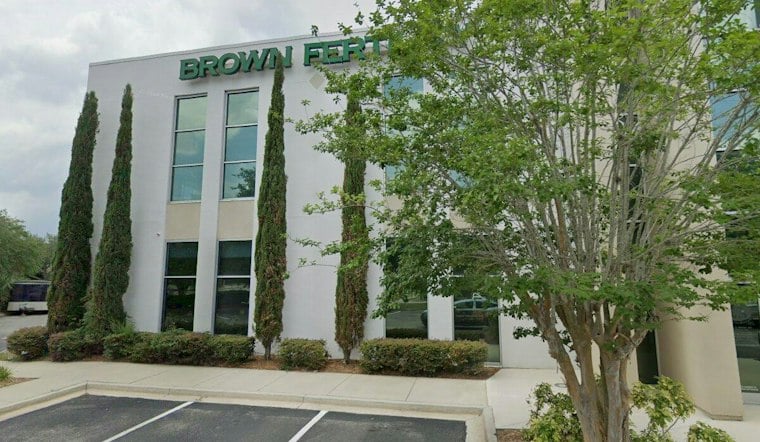
A Florida couple has sued a Jacksonville fertility clinic after DNA testing allegedly showed that their newborn was not biologically related to the intended father. The lawsuit describes an alleged sperm-identification failure; the claims have not been tested in court. News4JAX reported that the clinic had not responded to requests for comment.
What the Jacksonville complaint alleges
The couple says they pursued IVF. According to the complaint, embryos were created as part of the couple’s IVF treatment. The couple alleges that the clinic instead used sperm from an unidentified man.
The couple says an embryo transfer led to the birth of a child. The complaint alleges that genetic testing showed the intended father was not the child’s biological father. The complaint also addresses embryos remaining at the clinic. Those allegations come from the lawsuit, not an independent judicial finding.
The couple is seeking relief in the lawsuit, according to the News4JAX account.
Why the alleged error is different from other IVF mix-ups
The Jacksonville allegations concern the identity of the sperm used to create embryos. That is different from an embryo-transfer error, in which an embryo already created for one patient or couple is transferred to another.
In Georgia, BBC News reported that Krystena Murray became pregnant through IVF at Coastal Fertility in May 2023 and later learned that she had carried an embryo belonging to another couple. In a separate Florida case, NBC News reported that Tiffany Score and Steven Mills alleged that the Fertility Center of Orlando transferred the wrong embryos and that genetic testing showed the baby was not biologically related to them.
These cases are comparable because each involves an alleged breakdown in the chain connecting patients to reproductive material. They are not interchangeable evidence of a common cause or a rising national rate, however: the incidents occurred at different clinics and involved different stages of IVF, and the available reporting does not establish the final outcome of either comparison case.
Disclosure is an ethical obligation, not a finding about this case
The American Society for Reproductive Medicine’s 2024 ethics opinion says clinics have an ethical obligation to disclose gamete and embryo errors to all affected patients. The guidance specifically addresses errors such as using the wrong sperm or switching gametes or embryos.
That opinion sets out a disclosure principle; it does not determine whether Brown Fertility made an error, explain what happened to the Strongs’ reproductive material or provide a reliable frequency estimate for parentage mistakes in the United States.
What remains unresolved
Questions remain about the clinic’s records and the whereabouts of reproductive material, including how samples were identified and what records and quality-control checks exist. It is also unclear whether any other patients could be affected.
A separate regulatory example illustrates why broad comparisons require caution. The United Kingdom’s Human Fertilisation and Embryology Authority reported that more than 60,000 IVF cycles were performed there in 2013 and estimated that 1% involved some type of adverse incident. That figure covers a broad category of incidents in a different national system and year; it cannot be used as a rate for alleged sperm or embryo misidentification in Florida.
The Jacksonville case will turn on evidence that has not yet been publicly resolved, including laboratory records, storage documentation, genetic-testing evidence and the clinic’s response. Until those issues are adjudicated or independently explained, the central account remains the Strongs’ allegation that the wrong sperm was used.




