

























































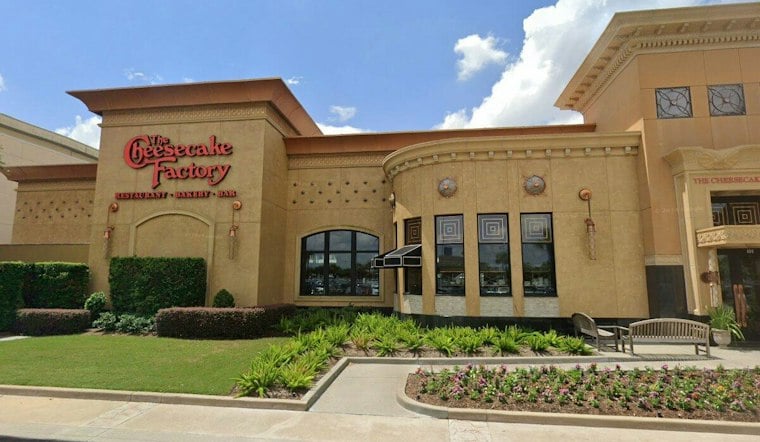
A 22-year-old Houston-area woman says she went into anaphylactic shock after a Cheesecake Factory waiter assured her that her meal would be peanut-free, only for the dish to arrive smothered in peanut sauce. Caylin Tucker filed a civil complaint alleging that the chain and an unnamed server failed to follow basic allergen-safety protocols during a June dinner with her parents.
According to the lawsuit, as reported by The Independent, Tucker told her waiter she had a severe peanut allergy and needed a peanut-free meal, and the server assured her it could be accommodated. Instead, the dish that reached her table contained peanuts and was covered in peanut sauce, the complaint states. Tucker began experiencing tongue and lip swelling, a closing throat, and hives, and required emergency medical treatment, according to the complaint.
The complaint says Cheesecake Factory employees apologized to Tucker once they recognized the severity of what had happened, and it alleges she incurred substantial medical expenses as a result of the reaction. Anaphylaxis is an allergic reaction that shuts down the body's airways and can be fatal without immediate medical intervention, according to the lawsuit's own description of the condition.
What the Lawsuit Alleges Went Wrong
Tucker's complaint claims Cheesecake Factory breached its duty to exercise ordinary care in food preparation, inspection, handling, and service. It further alleges that staff failed to properly communicate her order to kitchen personnel, failed to warn her about peanuts in the food that was served, and that the company had not trained employees to document customer allergies or check dishes before sending them out. The complaint holds the company responsible for the acts and omissions of its employees.
The lawsuit seeks past and future medical costs, pain and suffering, mental anguish, physical impairment, disfigurement, interest, and court costs, per the complaint's demands as described in the same report. Tucker is also seeking damages for physical pain and emotional distress she says she suffered from the incident. Cheesecake Factory did not respond to a request for comment, the outlet noted.
A Chain Under Renewed Scrutiny
Cheesecake Factory has faced other food-safety complaints in recent years, though none tied directly to Tucker's case. A Wisconsin man, Ghassan Batayneh, was awarded $14,000 in 2013 after contracting scombroid poisoning from spoiled mahi mahi at a Cheesecake Factory location, and said afterward that he was scared following the incident. In 2014, tainted whipped cream traced to a Cheesecake Factory in Boise, Idaho was allegedly linked to salmonella in at least six people. A Jersey City couple reportedly discovered a rubber glove in their mac-and-cheese bites in 2023, and a Southern California man has said he found a latex glove cooked into his fettuccine alfredo in Santa Monica.
Company spokesperson Spero G. Alex said the chain would review its food safety procedures and said Cheesecake Factory is committed to providing safe dining experiences, according to the report. Cheesecake Factory has apologized to affected diners in the past. The report also discusses the company's operations and revenue.
Where Federal and State Rules Diverge
The chain's own online allergen guide states that its dishes are handcrafted in kitchens that are not allergen-free, use shared equipment, and carry cross-contact risks, and it explicitly says it cannot guarantee any dish is free from allergens. Peanuts are one of nine major allergens designated by the FDA under the Food Allergen Labeling and Consumer Protection Act and the 2021 FASTER Act, but according to the U.S. Food and Drug Administration, mandatory federal labeling rules apply only to prepackaged items and exempt restaurants and other retail food service operations.
That leaves much of the legal weight resting on state and local standards. Under the Texas Food Establishment Rules, enforced by the Texas Department of State Health Services, restaurant employees who handle unpackaged food, utensils, or food-contact surfaces must complete an accredited food handler training course covering food allergens within 30 days of employment. Texas Senate Bill 812 became effective September 1, 2023, and its Food Allergen Awareness Poster provisions were not required to be complied with before September 1, 2024.
A Growing Pattern of Allergy Litigation
Nationally, roughly 2.9% of U.S. adults, an estimated 4.6 million people, have a peanut allergy, and more than 17% of adult sufferers developed the allergy after turning 18, according to a national study published via PubMed Central. Food allergy reactions send roughly 3.4 million people to emergency rooms in the U.S. each year, and private insurance claims data shows peanuts are the most common identified allergen behind food-induced anaphylaxis claims, according to Food Allergy Research & Education. The article also discusses pediatric and youth food-induced anaphylaxis emergency visits and severe food-anaphylaxis claims from 2007 to 2016.
Restaurant allergen liability has drawn increasing public attention, including through discussion of a fatal Disney Springs allergy case. Civil suits like Tucker's, filed in Harris County District Court, can involve personal injury, medical costs, and pain and suffering. It remains to be seen how Cheesecake Factory will respond to Tucker's specific allegations in court.



