

























































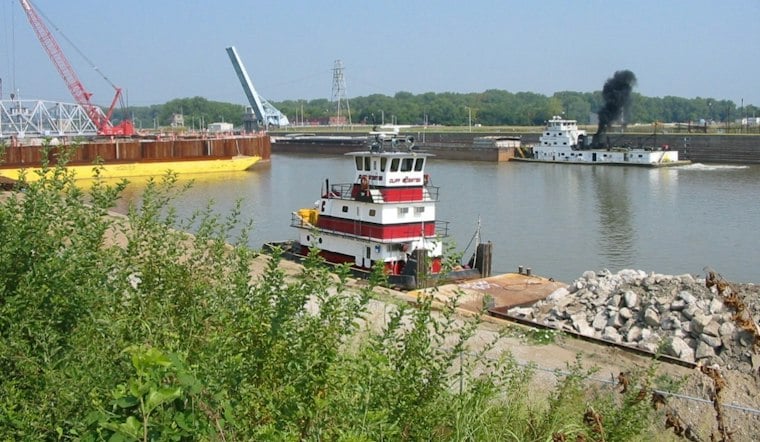
Jeffersonville is considering buying the 80-acre riverfront property where barges were built for decades. The site has been vacant since 2018, according to the Lexington Herald Leader. Mayor Mike Moore says the city and property owner American Commercial Barge Line are discussing a sale as officials seek more control over the stalled redevelopment.
Moore has said the project has made little visible progress and that the city would be better positioned to move it forward if it owned the property, according to The Courier-Journal. ACBL offered the property to Jeffersonville in July 2026, and the company has said the discussions remain active. The company and Ohio-based developer Thrive Companies previously joined efforts to create a redevelopment master plan, but the project has since slowed.
The proposed transaction is unfolding under a state funding deadline. Indiana economic development officials have set a mid-November 2026 deadline for developers to demonstrate physical progress or face possible changes to allocated funding, according to WDRB. The package totals $26.5 million: a $6.5 million grant awarded in 2024 through Lilly Endowment Inc. funds and $20 million in READI 2.0 funding awarded in 2025, the station reported. State officials have said money could be reallocated, including possible removal of Lilly Endowment-related funds, if required progress is not shown.
Why the Project Ground to a Halt
Moore has attributed the slowdown in part to changes at ACBL, telling WDRB+WAVE that a corporate leadership change shifted attention toward the company's barge operations. The mayor has also questioned the pace of redevelopment. ACBL has completed surveys and environmental cleanup work, according to the Lexington Herald Leader.
Floodplain and permitting hurdles
Any redevelopment work within the site's 100-year floodplain could face requirements before construction begins. According to the City of Jeffersonville, activities including filling, excavation and installing fences—not only building construction—may require a city permit. The Indiana Department of Natural Resources says a Floodplain Analysis and Regulatory Assessment is required for local floodplain permitting and for FEMA Letter of Map Amendment applications in A zones. Those requirements add another layer to the work beyond the cleanup and redevelopment planning already described. They could affect the timing and design of any future project, depending on the work proposed and the portions of the property involved.
Ohio-based developer Thrive Companies has also been involved in efforts to plan the Jeffboat site, per the same WHAS11 account. Thrive teamed up with ACBL in 2024 to oversee the Jeffboat site redevelopment as master developer. Thrive did not respond to a request for comment from The Courier-Journal.
A spokesperson for American Commercial Barge Line, which has operated in the Jeffersonville community for more than 100 years, said the company offered to return the property to the community after completing key steps, and that it has collaborated with community stakeholders on future projects. The company said it is awaiting Jeffersonville's decision-making process on the proposed sale.
What Could Finally Rise on the Riverfront
The broader redevelopment has been estimated at $185 million, according to The Courier-Journal. A city purchase would give Jeffersonville ownership of the property, but it would not by itself complete the planning, financing, cleanup or permitting needed for construction.
The redevelopment plan envisions future development at the site.
Getting there still requires heavy lifting before any building rises. Environmental cleanup has been part of the work at the site, WHAS11 has reported.
A Nearly Two-Century Industrial Legacy
The site's history runs deep. Jeffboat, as it later became known, shut down in 2018, and the property has remained vacant since the shipyard closed.
The redevelopment could eventually open nearly a mile of Ohio River shoreline to the public. That outcome now depends first on whether Jeffersonville and ACBL reach a purchase agreement and whether the project demonstrates enough progress to satisfy the state's funding conditions.





