

























































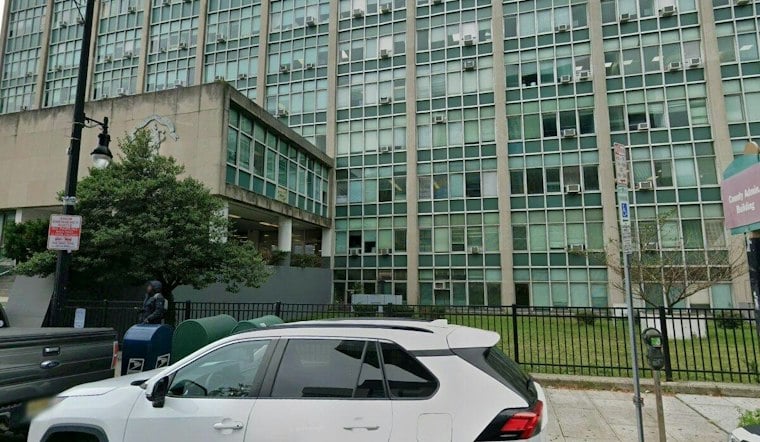
Jersey City is facing a class-action lawsuit claiming the municipal government has failed to pay employees overtime for the past seven years, with plaintiffs alleging violations dating back to June 25, 2019. The lawsuit, filed in Hudson County Superior Court, names the Jersey City Management Association along with legal analyst James Carroll and senior administrative analyst Luis Pacheco as plaintiffs, who say they are suing on behalf of other affected employees.
According to NJ.com, the lawsuit was filed on September 3 and alleges the city failed to pay overtime to employees who worked more than 40 hours per week, with the allegations spanning the administrations of both former Mayor Steven Fulop and current Mayor James Solomon. The suit further claims that a collective negotiations agreement violated plaintiffs' statutory rights under the New Jersey Wage and Hour Law. Plaintiffs are seeking compensation for unpaid wages, statutory damages, legal fees, pre-judgment and post-judgment interest, and an order requiring the city to comply with state wage law, along with a jury trial and preservation of evidence.
The lawsuit is not an isolated complaint. Jersey City fire officers filed a separate class-action lawsuit in the same court on August 27, citing the identical June 25, 2019 cutoff date, according to Hudson TV. That outlet reports the two lawsuits appear to be part of a broader wave of legal challenges targeting the city's municipal overtime practices over the same timeframe, with parallel litigation now pending in Hudson County Superior Court.
A Statutory Gap Years in the Making
The legal theory behind both lawsuits traces back to a quirk in how New Jersey rewrote its wage laws. When state lawmakers overhauled the Wage and Hour Law in 2019 to raise the minimum wage, they did not copy over the federal Fair Labor Standards Act's public-safety overtime exemption, according to the same Hudson TV report. That omission created a flatter state overtime requirement after 40 hours per week, which public employee groups are now using to argue that collective bargaining provisions conflicting with the state rule are legally invalid, per guidance cited by the New Jersey League of Municipalities.
Compounding the exposure is New Jersey's 2019 Wage Theft Act, signed by then-Acting Governor Sheila Oliver, which expanded the statute of limitations for wage and hour claims from two to six years and established liquidated damages of up to 200% on top of back pay owed, as detailed by OpenClassActions.com. However, the New Jersey Supreme Court's 2024 ruling in Maia v. IEW Construction Corp. restricts the expanded damages to conduct occurring after August 6, 2019, reversing an appellate decision that sought to apply them retroactively, according to Littler.
Budget Crunch Adds Pressure
The lawsuits land at a fraught moment for Jersey City's finances. Mayor Solomon was sworn in on January 15 and later announced the city faced a $255 million deficit, which he attributed to a pattern of systemic mismanagement by the previous administration, per NJ.com. In July, Solomon introduced an $874 million municipal budget for 2026 that included $109 million earmarked specifically to pay down inherited unpaid bills, deferred costs, and unbudgeted obligations left by the prior administration, according to the City of Jersey City.
The city's fiscal strain was already visible before the lawsuits arrived. Moody's Investors Service downgraded Jersey City's credit rating from A1 to A2 in December 2025, describing the city as financially struggling with a deteriorating liquidity profile, per Hudson County View. In June, the New Jersey Legislature approved a $120 million state aid package for the city, consisting of a $105 million low-interest loan and $15 million in direct transitional grants, as part of state budget legislation signed by Governor Mikie Sherrill, according to POLITICO Pro.
Solomon also proposed property tax increases between 15.5% and 20% in mid-2026 to help offset the structural deficit, a move that prompted public town hall meetings and debate over municipal service cuts, per CBS News. Any court-ordered back-wage payout in the overtime cases would add further strain to a budget already stretched thin by inherited debts and emergency state assistance.
City and Attorney Stay Quiet
A city spokesperson declined to comment on the lawsuit Wednesday, according to NJ.com. Michael A. Bukosky, the attorney representing the plaintiffs, also declined to comment, the outlet reported.
For now, the scope of the potential liability, including the exact size of the employee class and the total back-pay exposure, remains unclear. Whether the city will attempt to assert administrative exemptions or seek to enforce arbitration provisions under existing labor agreements has not been addressed publicly by officials.





