

























































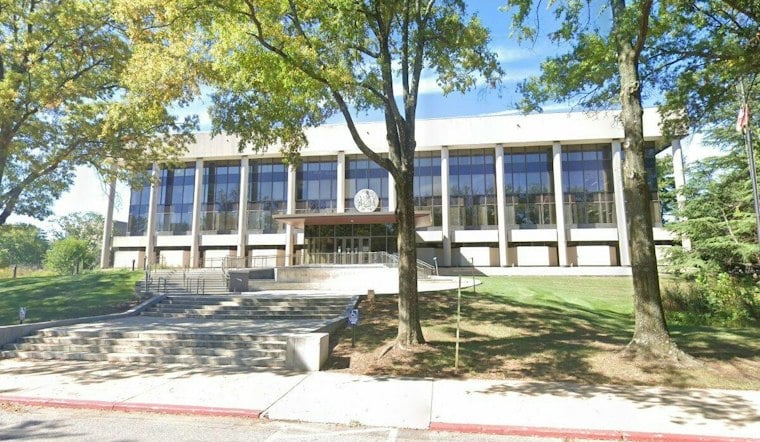
A Maryland Supreme Court ruling in Potomac Edison’s tax dispute held that some equipment used to transmit and distribute electricity qualifies for a sales-tax exemption.
The ruling addressed equipment in Potomac Edison’s tax dispute, holding that some equipment used to transmit and distribute electricity qualifies for a sales-tax exemption.
The Supreme Court Ruling Behind the Refunds
The case traces back to a July 2026 decision in Comptroller of Maryland v. The Potomac Edison Company, in which the Supreme Court of Maryland held that equipment used to transmit and distribute electricity — conductors, substations, and transformers that step voltage up or down — falls within Maryland's sales and use tax exemption for “production activity,” according to Justia Law. The ruling drew a clear line, however: physical support hardware like clamps, bolts, and brackets, along with electric meters, do not qualify for the exemption because they serve support or measurement functions rather than directly processing electricity, per Vaquill News.
The financial fallout from that decision landed at the state level on September 24, when Maryland Comptroller Brooke E. Lierman announced at the Board of Revenue Estimates meeting that her office would issue more than $250 million in tax refunds and interest to electric companies as a result of the court's decision. Lierman said publicly that she disagreed with the tribunal's statutory interpretation even as her office prepared to comply with it, an account detailed by the Office of the Comptroller as reported by The MoCo Show.
A separate, ongoing dispute concerns Exelon's Maryland subsidiaries. The Maryland Office of People's Counsel has been pressing the Public Service Commission to compel BGE and Delmarva Power to refund $32 million in 2025 revenue overcollections — $28 million from BGE and $4.27 million from Delmarva — a request the utilities have resisted by arguing that the Utility RELIEF Act removed the commission's authority to order mid-cycle customer refunds, as Hoodline previously reported.
Rate Hikes and Regulatory Pushback Continue
Separately, individual utilities are pursuing rate increases of their own. Potomac Edison, the utility whose lawsuit produced the Supreme Court ruling, filed a request with Maryland regulators this month seeking a $52.8 million distribution revenue rate increase that would raise typical residential electric bills by 5.3% across seven Maryland counties, according to Hoodline's earlier coverage of that filing.
Regulators have shown some willingness to push back on utility cost claims. On August 28, the Public Service Commission denied Pepco permission to recover costs for a multimillion-dollar substation project through customer rates, ruling that the utility had failed to prove the expenditure was prudent or cost-effective. Consumer advocates have also pointed to BGE's approximately $578 million in net income in 2025 during Public Service Commission proceedings, using the figure to challenge the utility's rate increase requests and its retention of revenue.
Broader State Efforts on Utility Affordability
The ruling comes amid a wider state push to address rising utility costs. In May 2026, Governor Wes Moore signed the emergency Utility RELIEF Act, which allocated $100 million from Maryland's Strategic Energy Investment Fund to provide bill relief to residential electric customers, according to the Maryland Office of People's Counsel.
The court's decision addressed Potomac Edison's tax dispute and whether certain equipment qualifies for Maryland's sales and use tax exemption.





