

























































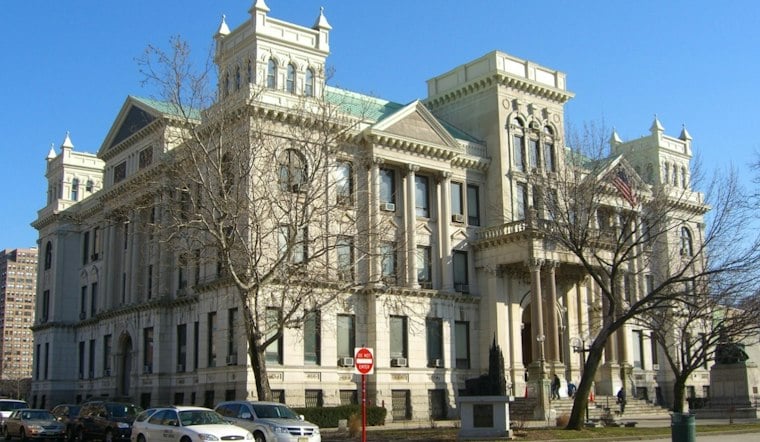
A New Jersey proposal would create penalties for sexual activity in government facilities, including legislative offices, courtrooms and board of education buildings. Assembly Bill 5480 was introduced and referred to the Assembly State and Local Government Committee on Sept. 14, according to FastDemocracy. It is not law.
The measure is sponsored solely by Assemblywoman Annette Quijano, NJ.com reported. Its proposed definition would cover sexual contact, sexual penetration or lewdness, and its reach would extend to facilities owned or leased by the state, a county or another government entity, according to the report.
The proposal is still at an early stage
Committee referral does not mean the measure has advanced toward enactment. The New Jersey Legislature says bills are typically sent to a committee after introduction, where they may be debated and amended before being reported to the full chamber. To become law, a bill must pass both houses and receive the governor’s approval, according to the Legislature’s overview of the process.
Civil penalty or criminal prosecution?
The reported penalty structure would be $1,000 to $5,000 for a first offense and as much as $10,000 for a second or subsequent offense. NJ.com’s account says violators could face criminal prosecution, while FastDemocracy characterizes the measure as establishing civil penalties. Those descriptions differ, and the available accounts do not resolve whether the proposal would create an independent criminal offense, authorize a civil penalty alongside existing criminal laws, or both.
The proposal would also refer violations by public officials or employees to the applicable government ethics board, according to NJ.com. It would take effect 90 days after enactment if it becomes law. Quijano’s office had not commented at the time of the report, and the bill’s current status beyond committee referral remains unclear.
How this fits existing conduct rules
The proposed facility-wide penalty would be separate from existing workplace and institutional conduct rules. The New Jersey Judiciary’s equal-employment and anti-discrimination plan says court employees and court users must be treated with respect and dignity. Separately, the New Jersey Department of Banking and Insurance’s supplemental ethics code states that all forms of sexual harassment are strictly prohibited. Those policies address workplace conduct and institutional treatment; they do not establish the same proposed penalty for sexual activity in every government-owned or government-leased facility.
The central question for A5480 is therefore not whether government agencies have conduct standards, but whether New Jersey would add a broad, location-based penalty covering sexual activity in public facilities—and how that penalty would be enforced. The bill must first clear committee consideration and the rest of the legislative process before that question has legal effect.





