

























































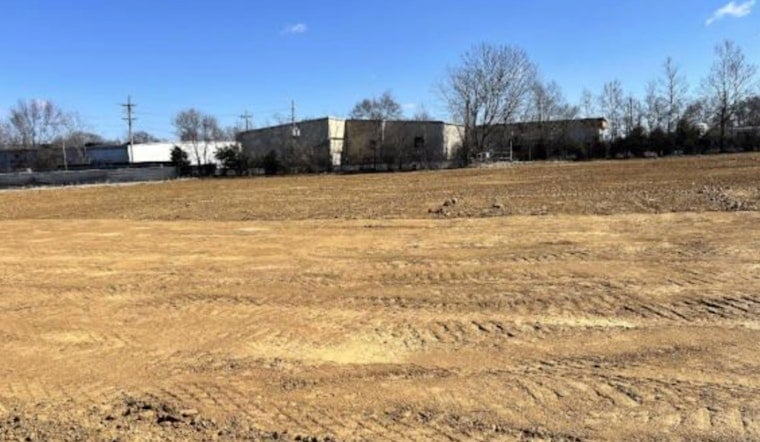
A 17-acre stretch of land where Louisville Metro Government wants to build 233 affordable homes has sat vacant for 32 years, poisoned by decades of industrial chemical production. Now, after a legal standoff over who gets to decide the property's future, the state environmental cabinet can move forward without the former polluter's sign-off.
A Century of Industrial History Behind the Delay
The property is identified in Louisville Metro Government records as the former Rhodia site. Louisville Metro acquired the vacant parcel in June 2002 and recorded an environmental covenant on the deed in December 2006 under state law, imposing land-use restrictions on the property.
The city allocated $10 million in federal American Rescue Plan COVID-relief funds in 2022 to remediate soil contamination at the site, with cleanup completing in 2024, as reported by WHAS11. But even after the ground was cleaned, Rhodia's corporate successors refused to sign off on lifting the residential restrictions, stalling the project in a legal battle over land-use covenants that pushed up costs the longer it dragged on.
Senate Bill 222 Breaks the Impasse
Kentucky lawmakers passed Senate Bill 222, which amended state environmental covenant rules. The bill, introduced by Louisville Sen. Keturah Herron, addressed barriers involving Rhodia's successors. Under the new law, amendments to some environmental covenants may proceed without approval from some previously required signatories.
On May 15, 2026, the cabinet issued a formal written notice concerning the former Rhodia facility, opening a 30-day window for affected parties to file objections. Per the seed report from WLKY, the company has until mid-September to challenge the cabinet's decision in court, meaning the legal door is not fully closed even as construction planning advances.
What Residents Could Get — And What They're Still Owed
Re:Land Group, the private social-impact real estate firm founded by James “Jim” Beckett, was selected by Louisville Metro Government in late 2020 as the lead developer for the property. The firm's updated plans call for a mixed-use development with an estimated cost of $90 million, delivering 233 affordable housing units — a dramatic jump from the project's original $50 million price tag before regulatory delays inflated costs. Developers have declined to disclose the current project cost beyond that figure, according to WLKY's report.
Beckett said residents of the Park Hill and Algonquin neighborhoods deserve more investment than the first development phase currently provides, per WLKY. Re:Land Group formed the Park Hill/Algonquin Community of Opportunity Advisory Board in 2022.
A Site Neighbors Have Waited Decades to See Reused
The brownfield parcel sits roughly one mile northwest of the University of Louisville, at the boundary where the Park Hill and Algonquin neighborhoods meet — a location where local residents want growth, per WHAS11. Sen. Herron said community investment should be made with residents and reflect what they actually want to see, adding that the project should benefit both current residents and future generations, according to WLKY.
With the master plan now within reach after years of stalled negotiations, the remaining question is whether Rhodia's successors will pursue their last available legal option before the mid-September deadline passes. Until then, Louisville's plan to turn a former chemical plant site into affordable housing remains real, but not yet final.





