

























































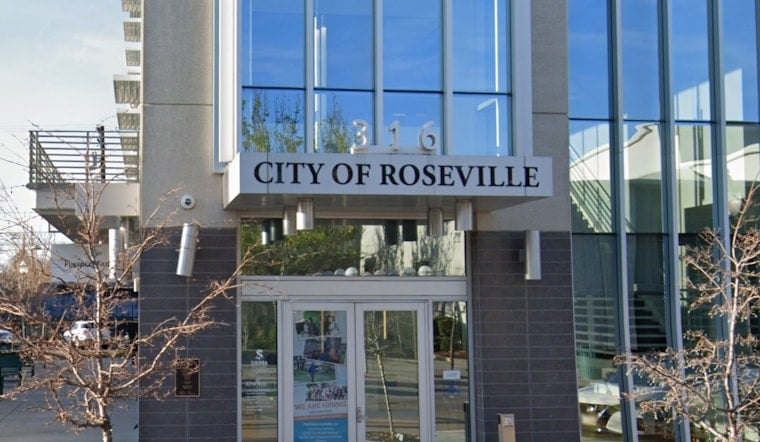
The City of Roseville is putting $15 million behind local small businesses through an expanded lending partnership with regional banks, aiming to help entrepreneurs access capital for expansion and job creation. The city announced the investment through its Roseville Advantage Financing Program, framing it as a direct pipeline between municipal cash reserves and local company growth.
According to the City of Roseville CA, the $15 million commitment reflects a $5 million expansion beyond the program's original $10 million fund, as detailed by the city on its official city website. The program initially launched as a $10 million public-private lending initiative designed to foster local job creation, and the new figure represents a substantial jump in the city's willingness to funnel reserves into private-sector expansion.
Under the updated 2026 framework, small businesses can apply for expansion loans directly through three participating regional financial institutions: First Northern Bank, River City Bank, and River Valley Community Bank. The city's report notes these banks were selected through a competitive Request for Proposals process to handle loan underwriting on the municipality's behalf.
How the City Protects Its Money
The financing mechanism hinges on a yield requirement: participating banks must match, at minimum, the interest the city would have earned by keeping its funds in the Local Agency Investment Fund, a state-managed pooled money account that lets local governments earn competitive returns on short-term surplus cash. That structure lets Roseville support private lending without sacrificing the investment income it would otherwise collect.
City documentation also emphasizes that the program uses short-term municipal investment funds that remain fully insured and are returned to city coffers once contracts are completed, meaning no municipal tax dollars are placed at risk. The funds are held as insured deposits with the participating banks, which bear the commercial credit risk on any loans that go bad, not the city.
A Program Years in the Making
The Roseville Advantage Financing Program itself is not new. It was originally established and approved by the Roseville City Council in June 2019, following deliberations that spanned two city councils, two city managers, and two top finance executives, according to the city. Economic Development Director Laura Matteoli led the initiative to partner with local banks to reinvest city cash into the community.
The city has used a similar playbook before during a crisis rather than a growth push. In April 2020, Roseville deployed a separate $1 million Small Business Stabilization Program, funded by interest from the city's Citizens' Benefit Fund, to issue zero-interest emergency loans to 111 local businesses, preserving nearly 1,100 jobs during COVID-19 disruptions, according to Roseville Today. That fund traces back to 1993, when it was created using proceeds from the sale of the city-owned Roseville Hospital.
Utility Discounts Sweeten the Pitch
Beyond capital access, Roseville dangles another incentive for companies weighing expansion: cheaper municipal utilities. The city says Roseville Electric rates run 25% to 35% lower and Environmental Utilities water and sewer fees run up to 50% lower than neighboring regional providers, since Roseville is one of the few California cities to operate its own full-service municipal electric and environmental utility systems.
That pitch lands amid broader momentum in the local real estate market. WalletHub ranked Roseville No. 12 nationwide in its 2026 Best Real Estate Markets study, a ranking that weighed 300 U.S. cities on housing market dynamics and general economic conditions, according to the Fiddyment Farm Neighborhood Association.
Commercial Growth Already Underway
The financing expansion arrives as Roseville sees a wave of physical commercial development. Developers proposed converting part of the former Hewlett-Packard campus into a small-bay industrial park tailored to light manufacturers, contractors, and local service firms in May. That same commercial energy showed up when Jollibee picked 1913 Douglas Blvd. in August to open its first franchise-operated restaurant in California, after years of only corporate-owned locations in the state since the chain arrived in 1998.
Open questions remain about the expanded loan program, including the exact interest rates and underwriting terms local banks will offer applicants and how many new jobs city officials project the larger $15 million pool could create. It is also unclear whether rising commercial development fees elsewhere in the city could offset some of the benefit for small businesses seeking new physical locations to grow into.




