

























































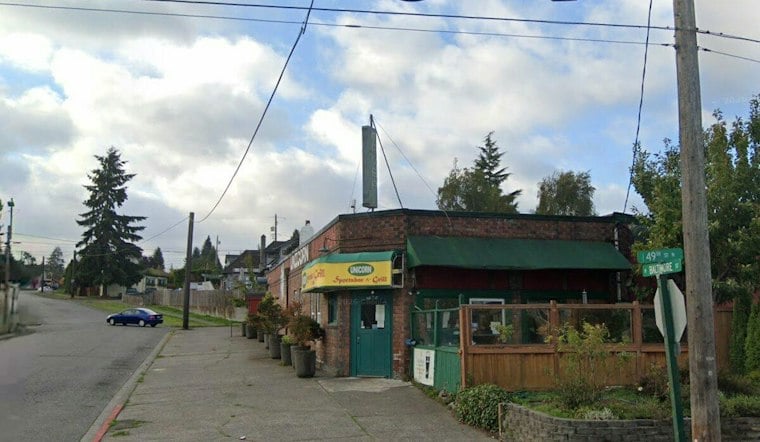
The Unicorn in Ruston is expected to close in mid-October after the Barker family agreed to sell the property to Nathan and Gary Wescott, the father-and-son owners of Odd Otter Brewing Co. Trevor Barker confirmed the planned closure, and Nathan Wescott confirmed the planned purchase while saying details and paperwork were still being finalized, The News Tribune reported. The sale comes as the city’s permanent restriction on late-night alcohol sales is in effect.
What Ruston’s records show
Ruston’s council minutes offer the city’s stated reason for seeking shorter alcohol-sale hours: increased incidents and community reports related to public intoxication, according to the Dec. 3, 2024, minutes. A temporary restriction began that month. The council later voted 4-1 to make it permanent; the rule took effect Nov. 12 and bars sales after midnight, requires businesses serving alcohol to close by 1 a.m., and makes violations subject to a misdemeanor citation, The News Tribune reported.
The available business figures do not offer a single measure of the rule’s effect. The newspaper reported that receipts for three unnamed Ruston businesses from January through July 2025, compared with the same months in 2024, were higher at one business and lower at two, for a combined decline in the single digits. Trevor Barker, who manages the Unicorn, estimated its sales had fallen by 20% or more since 2024. Those are different measures and sources: the comparison covers three businesses, while Barker’s figure is his estimate for the bar.
State records cited by the newspaper showed the Unicorn was the only Ruston business with complaints or violations since Dec. 3, 2024: three people filed seven complaints involving over-service or disorderly conduct, and inspectors conducted nine inspections at the bar. The Washington State Liquor and Cannabis Board did not consider Ruston a problem area for its enforcement team, The News Tribune reported. These records describe complaints and inspections; they do not establish what caused the bar’s sales changes or planned closure.
Barker told the newspaper the midnight cutoff meant staff had to clear customers at midnight on busy nights and that weekday turnout also suffered. The Barker family has said it felt targeted by the restriction. Some Unicorn customers went to bars in nearby jurisdictions that stay open later, while opponents argued the rule would make Ruston businesses less competitive with neighboring Tacoma, according to the outlet.
A different Tacoma alcohol policy
Tacoma’s Alcohol Impact Areas provide historical context, but they were not the same policy as Ruston’s late-night cutoff. A Washington State Liquor Control Board evaluation says that, starting March 1, 2002, licensed retailers in the Tacoma area could not sell certain beer and wine products for off-premises consumption. A 2003 evaluation found results suggesting the restrictions helped address chronic public inebriation, while cautioning that the changes could not be attributed solely to the policy, according to the Washington State University Social and Economic Sciences Research Center report for the board. That evaluation concerns a different place, problem and measure; it does not show what effect Ruston’s rule had.
The Wescotts’ purchase of the Unicorn property remains in the process of being finalized, and the reported mid-October closure is expected rather than completed. The family has owned the property since 2009, and the address has served alcohol since 1934, The News Tribune reported.




