

























































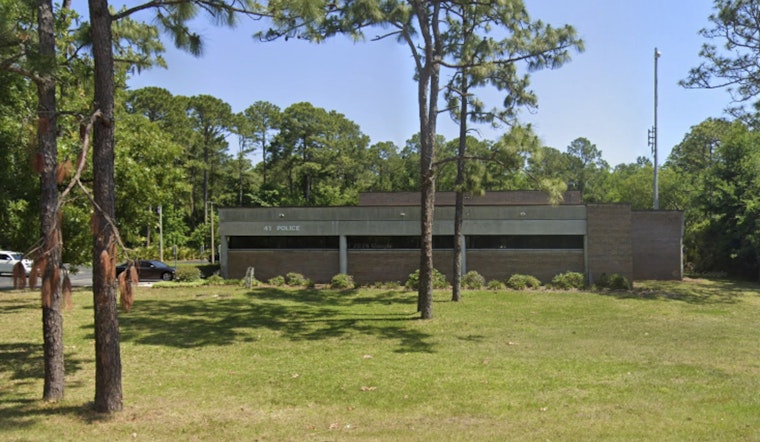
A University of North Florida student lost $500 after what began as a simple offer to buy photos over GroupMe spiraled into fake legal threats, a fraudulent check, and finally a stranger claiming to be a hired assassin who threatened to kill the student and their family. The University of North Florida Police Department reported the fake-check and extortion scam, which unfolded over several days before the student cut off contact and filed a police report.
The ordeal started on August 27, when the student received a GroupMe message from an account using the name Melanie, according to UNF Spinnaker. Melanie claimed to be a photographer looking to purchase images of the student for a client's upcoming project, and the student sent over two photographs in response. Soon after, the student received a digital check for $894.77 via email from an alleged client named Mark Donald, with the check listing the company name Apple Texas Restaurants and carrying routing information tied to an account in El Monte, California.
A Check That Looked Real Until It Wasn't
The suspect told the student to keep $500 of the check and forward the rest to Melanie, a common setup in overpayment schemes. Federal banking rules require financial institutions to make deposited check funds available within one to two business days, even though uncovering a counterfeit check can take weeks, according to AmeriSave. That gap is exactly why the student's bank appeared to credit the check before its fraud department caught up, leaving the depositor legally responsible for returning the funds once bank staff confirmed it was fraudulent and reported that the credited funds would be reversed.
When the student refused to deposit a second check, the suspect threatened a lawsuit. A second phone number then reiterated the legal threats, with that sender claiming to be the accountant. The suspect also demanded screenshots of the student's account and immediate transfers, at one point demanding $700 via Apple Pay, but the student refused to buy Apple gift cards. Despite the refusal, the student ended up sending transfers to an account number that did not belong to the suspect, losing $500 across two transfers in the process. The student also tried using Zelle to try to resolve the situation, a platform that, per the AARP Fraud Watch Network, fraudsters favor because transfers happen instantly and offer minimal recourse once sent.
Threats Escalate to a Claimed Assassin
Just when it seemed the scam couldn't get more alarming, a third phone number entered the picture. That sender introduced himself as an assassin and threatened to kill the student and their family if money was not sent immediately, according to the same Spinnaker report. The sender went on to send graphic photos and text messages to the student before the student finally blocked all of the scam-related numbers.
Threats of this kind, however terrifying, are a recognized tactic. FBI alerts describe hitman and cartel extortion schemes, where scammers send graphic violence or death threats to force immediate money transfers, as hoaxes designed to trigger panic and immediate compliance. Federal officials advise victims to stop communicating, avoid transferring any funds, and report the threats to local police right away, guidance the student ultimately followed by filing a report at the UNFPD station in Building 41.
Officer Response and Campus Pattern
The student said the responding officer was extremely helpful and genuinely cared about the situation, and noted hearing that many other UNF students had been scammed and were in worse situations. This is not the university's first brush with impersonation fraud targeting students; UNF Spinnaker reported a June 2024 incident in which a scammer impersonated a UNFPD officer over the phone to demand money from a student's family, showing a recurring pattern of scams aimed at the campus community.
The scam also fits a broader national surge. The Federal Trade Commission received 44 percent of scam-related reports from young adults aged 20-29 in 2023, and more recent FTC data released in June 2026 found consumers reported losing $3.5 billion to imposter scams in 2025 alone, marking the fifth consecutive year impersonation topped fraud categories. A 2024 Better Business Bureau report cited by the Federal Reserve similarly found that people aged 18 to 24 were more susceptible than any other age group to fake check and money order scams, a vulnerability tied to young adults' heavy use of peer-to-peer payment apps.
What UNFPD Wants Students to Do
UNFPD is urging students to pause communication and independently verify any unusual online requests before acting. The department also advises students to keep passwords and sensitive personal details private, verify job or purchase offers through UNF Career Services and the official Handshake portal, and type official website addresses manually rather than clicking unsolicited links.
For students who believe they have already been compromised, UNFPD recommends changing UNF network passwords, forwarding fraudulent emails to Information Technology Services, informing financial institutions immediately, and maintaining updated antivirus tools and current operating system software. UNFPD accepts scam reports at (904) 620-2800.
The case echoes a pattern of peer-to-peer financial crime that Duval County prosecutors have pursued aggressively. Just weeks ago, a Jacksonville man was convicted in a Neptune Beach bank scam and now faces up to 15 years in prison for laundering money stolen through a fraudulent Zelle transfer scheme. Nationally, the FBI's Internet Crime Complaint Center reported that cyber-enabled crimes cost Americans nearly $21 billion in 2025, with extortion complaints alone totaling 89,129 nationwide, underscoring just how common the tactics used against the UNF student have become.





