

























































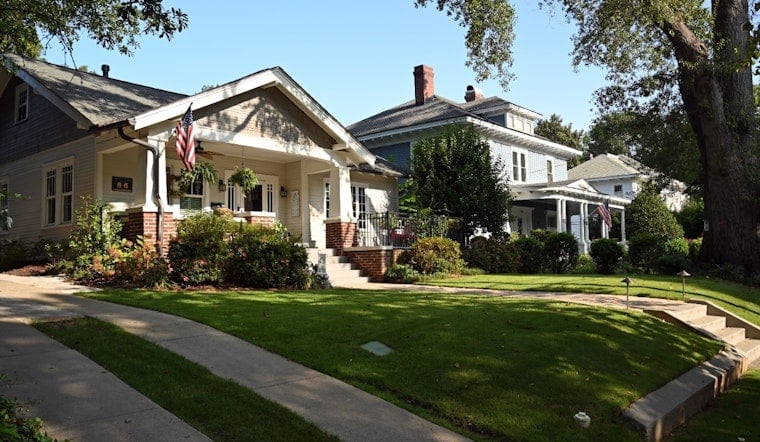
Homes across Upstate South Carolina are sitting on the market longer despite a steady pipeline of new construction and remodeling projects, as rising mortgage rates and stubborn inflation chip away at what buyers can actually afford. Real estate agents in the region say interest rates alone have reshaped the math for anyone hoping to buy right now.
“Interest rates make a difference,” said local real estate agent April Osborne, as reported by FOX Carolina News. Osborne said some buyers cannot afford now what they could have afforded three years ago simply because interest rates have climbed so much. That squeeze lines up with national numbers: according to Freddie Mac's Primary Mortgage Market Survey, the average 30-year fixed mortgage rate rose to 6.71% as of September 3, up from 6.66% the prior week and 6.50% a year earlier — the highest national average in 13 months.
Buyers are also taking longer to close deals, and the region's own listing data backs that up. New market data cited by the station shows available housing inventory has increased, giving today's shoppers more room to negotiate than they've had in years.
Inventory Climbs While Homes Linger on the Market
The Greater Greenville Association of REALTORS® Multiple Listing Service shows active inventory rose 9.3% year-over-year to 6,448 units, while the average time a home sits on the market grew 10.4% to 53 days. Prices tell a mixed story: the local median sales price actually fell 1.7% year-over-year to $326,000, even as the average sales price climbed 2.2% to $409,997, per the same MLS data — a split that suggests entry-level homes are cooling while higher-end properties hold their value.
That pattern isn't unique to Greenville. Statewide, residential inventory increased 10.5% year-over-year to 33,955 units as of July, according to South Carolina REALTORS®, while the median sales price held flat at $349,900 and median days on market rose 6.0% to 71 days. Taken together, the numbers point to a state that has shifted from the fierce bidding wars of recent years toward something closer to balanced footing — even if that balance still leans expensive.
The Income Bar Keeps Rising
Affording a median-priced home in Greenville County now requires an annual income of at least $90,000, according to a county housing analysis, a threshold that has climbed sharply in recent years. Inside city limits, the gap is even steeper: Esri demographic data puts the 2026 median home value in the City of Greenville at $482,793 — 38% above the statewide median of $299,909 — with mortgage payments eating an average of 34.3% of median household income for city residents.
Inflation away from the housing market is compounding the problem. Rising costs at gas pumps and grocery stores are making it harder for prospective buyers to save for a substantial down payment, and a Winthrop University Poll found 62% of South Carolina adults rate the state's economy as bad, with 58% saying housing costs and 67% saying grocery costs are difficult or very difficult to afford. United Way of Greenville County has separately found that 35% of county households fall below the ALICE financial hardship threshold, with 37% of local renters spending half or more of their income on shelter — a dynamic Hoodline previously reported leaves tens of thousands of families with little room to save toward homeownership at all.
Why Rates Won't Budge Yet
The Federal Reserve's Federal Open Market Committee has held its target federal funds rate in the 3.5% to 3.75% range through July, marking five straight meetings without a cut following three reductions in late 2025. That steady policy stance helps explain why long-term mortgage rates have remained stuck near 6.7% even as home price growth slows.
Underlying demand hasn't disappeared, though. U.S. Census Bureau estimates show the Greenville-Anderson-Greer metro area topped 1.01 million residents after adding 85,894 people between 2020 and 2025, a 9.3% growth rate that has kept pressure on housing even as affordability worsens.
What Buyers Can Do Now
Despite the headwinds, local housing experts maintain that homeownership remains achievable for buyers willing to plan carefully. Their advice includes partnering with a trusted real estate agent, prioritizing a realistic budget, and comparing mortgage rates across lenders before committing.
For now, the Upstate's housing market is defined by that tension — inventory finally loosening up while interest rates and everyday costs keep the door only partly open for buyers trying to get in.





