

























































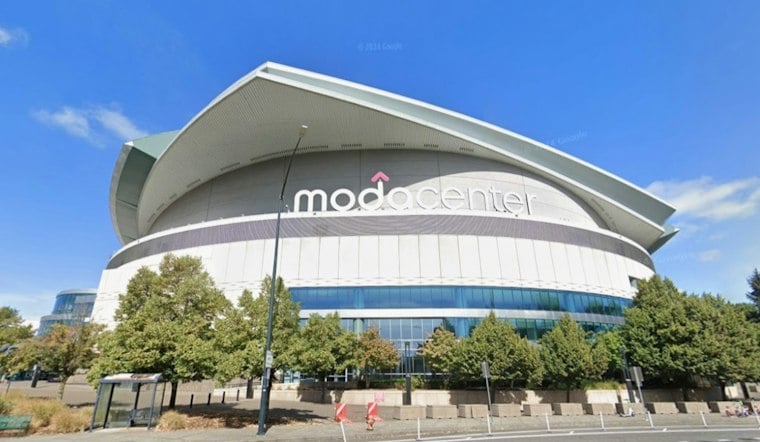
U.S. Senator Ron Wyden is taking the fight to keep the Portland Trail Blazers in Oregon straight to Washington, D.C., threatening to use his perch on the Senate Finance Committee to pressure the NBA's other 29 owners into leaning on Blazers majority owner Tom Dundon. The stakes: a December 2026 deadline for Dundon to sign a long-term Moda Center lease, without which Oregon stands to lose $365 million in state-backed bonds that make up more than half of a nearly $600 million arena renovation package.
A Senator With History in the Building
According to OregonLive, Wyden is the top Democrat on the Senate Finance Committee and would return as its chairman if Democrats retake the Senate in the November 2026 midterm election. That committee, per the same report, provides broad regulatory oversight over how teams and owners are treated in public policy, including questions Wyden has flagged around tax-free arena bonds, goodwill amortization of team purchase prices, and the tax treatment of appreciating franchise values. He has conditioned his effort on Dundon failing to reach a long-term Moda Center lease by the end of 2026, and he said the negotiations need to accelerate.
Wyden has known NBA Commissioner Adam Silver since the mid-1980s, when Silver worked as an aide to Oregon Representative Les Aucoin while Wyden represented Oregon in the U.S. House from 1981 to 1996, the outlet reports. Silver said last week that it would be a failure if the Trail Blazers moved, though the report notes NBA owners generally protect other NBA owners. Wyden expects potential tighter government restrictions on billionaires to pressure NBA owners to engage Dundon, and he said other owners should convince Dundon that remaining in Portland serves everyone's interest. The NBA Board of Governors could vote to keep the Blazers in Portland if relocation ever reaches its agenda, the report notes.
Echoes of a Louisiana Playbook
Wyden pointed to a decades-old precedent for how a Senate Finance chair can bend a sports league to a state's will. Russell Long chaired the committee from 1966 to 1981 and made his support of the NFL-AFL merger contingent on securing an expansion franchise for Louisiana, according to the same OregonLive report — a deal that eventually delivered the New Orleans Saints. Wyden said he has the political power to make life uncomfortable for the NBA even if Republicans retain Senate control, though he added he does not want basketball treated as an easy target by people who see it merely as a billion-dollar business.
Wyden said he will not micromanage the specific terms of the Moda Center negotiations, which involve the city's term sheet and revenue requirements for both Portland and Multnomah County. Those terms took shape when the Willamette Week reported that the Portland City Council voted 8-4 in August to pass a nonbinding $120 million term sheet, proposing that the Trail Blazers pay $3.1 million in annual rent and $3 million in annual tax offset payments. Multnomah County Commissioners separately approved a funding framework committing up to $101.6 million toward the project, according to KGW. Yet local governments have not established the joint authority that would operate Moda Center, and Portland and the county have not publicly identified funding sources for their own contributions, per OregonLive.
Face-to-Face in Dallas, Then Silence
Portland City Administrator Raymond Lee flew to Dallas earlier in September for a face-to-face meeting with Dundon, but the negotiations have shown no apparent progress beyond that trip, OregonLive reports. The standoff traces back to Oregon Governor Tina Kotek signing Senate Bill 1501 into law in April, authorizing $365 million in state bond financing for Moda Center renovations to be repaid over 20 years using income tax revenues collected from Rose Quarter workers, athletes, and performers, according to OPB. That bill conditions release of the bonds on a binding 20-year lease commitment from team ownership.
Dundon has made his position clear in public. At the Portland Metro Chamber's annual meeting in June, he rejected calls to contribute private money to the $600 million renovation, telling business leaders that buying the team and paying local taxes already represented a significant financial commitment given Portland's high tax rates, OPB reported at the time. Dundon's Rip City Rising investment group completed its $4.25 billion acquisition of the Trail Blazers from the Paul Allen estate in March, ending 38 years of Allen family control after a unanimous NBA Board of Governors vote, a deal that could value remaining equity up to $4.5 billion. Oregon later authorized state bond financing for the renovation through Senate Bill 1501.
Why the Arena Fight Reaches Beyond the Blazers
A city-commissioned facility assessment published in August found Moda Center generates more than $600 million in annual regional economic impact while needing roughly $500 million in structural upgrades over the next two decades, since the arena opened in 1995 and ranks among the older venues in the NBA. That backdrop helps explain why the fight isn't just about one team. Wyden helped lead the grassroots effort to bring a WNBA franchise to Portland, and the Portland Fire completed their inaugural season in 2026, averaging roughly 14,500 fans per game and ranking fourth in league attendance, as Hoodline detailed in its report on the Fire's record-setting debut season. Moda Center's future carries direct ramifications for the Fire and for Portland's ambitions to become a global leader in women's sports, since the team shares the arena under a 2024 city agreement securing venue access through 2030.
The Blazers' ownership change has also drawn fan reaction. Congressional tax committees have also been reviewing proposed restrictions on sports franchise intangible amortization during 2026 hearings, examining deductions that let team owners offset purchase costs against unrelated personal tax liabilities, according to Grant Thornton — the exact kind of federal lever Wyden appears ready to pull if Dundon keeps stalling past the December deadline.




