

























































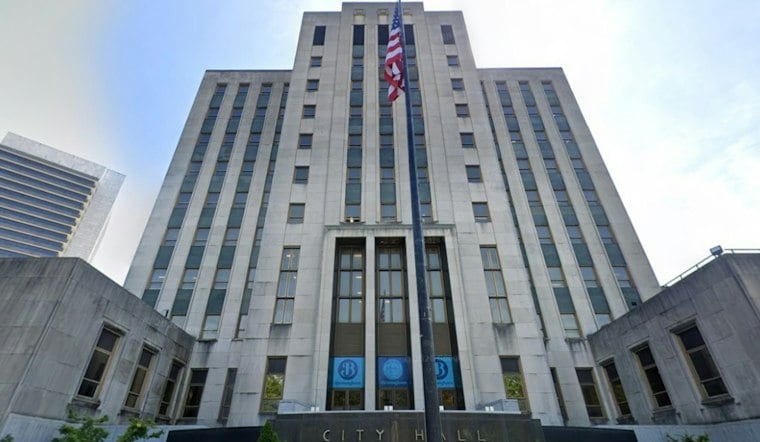
The Birmingham City Council left the Park and Recreation Board unchanged after a special-called meeting Wednesday. Instead, members agreed to keep considering whether to ask the Alabama Legislature to revise the state law governing the board, according to ABC 33/40’s account of the meeting. The unresolved question is who oversees park operations—not whether to abolish the board.
The proposal and its limits
The council has not settled on a specific change or produced draft legislation. Council President Darrell O’Quinn urged the city to consider legislation clarifying the mayor’s office’s accountability for park operations, ABC 33/40 reported. Mayor Randall Woodfin said operational oversight could change without ending the board or removing the council’s authority to appoint its members. He said the council should lead any proposal, which would require state action, according to the station.
Several council members said the city should define its goals and consult affected parties before approaching the Legislature. Crystal Smitherman called for clarifying what a change should accomplish and consulting the board and its leadership; Sonja Smith said the parks administration and council should both be involved. Wardine Alexander cautioned against framing the idea as an effort to eliminate the board and called for O’Quinn’s proposal to be put in writing and reviewed with those affected. ABC 33/40 reported these positions and other meeting details.
How the current system works
State law established the Birmingham Park and Recreation Board in 1923 and gives it responsibility for planning, administering, developing and supervising city parks and recreational facilities. The board has five members appointed by the City Council and operates independently of the mayor’s office; it oversees more than 100 properties spanning more than 2,000 acres, according to ABC 33/40’s report. The council also reviews and approves the board’s annual operating budget, according to the city’s FY26 budget documents.
The parks system includes Legion Field, the Birmingham Botanical Gardens, the Japanese Gardens, two golf courses, 18 recreation centers and 18 swimming pools, according to the budget documents. Because the board was established by state law, changing its structure would require action by the Alabama Legislature. The Alabama State Bar’s overview of municipal law describes Birmingham’s mayor-council structure and local legislation for laws affecting a single municipality; the legal process cited in the debate also refers to Section 106 of the Alabama Constitution. See The Alabama Lawyer.
Recent park investments
The oversight debate also concerns the delivery of park programs and improvements. A July 2025 City of Birmingham update identified Bessie Estelle, Maclin, ML King and Germania parks as upgrade sites, with improvements supported by strategic-plan investments made possible through ARPA and surplus funding. The city’s May 2025 budget announcement listed $625,000 for the Park and Recreation Safe Haven Initiative, an increase of $125,000.
Historical context does not establish the law’s original purpose
Birmingham’s public recreation system enforced racial segregation during the Jim Crow era. In 1961, a federal judge ruled the city’s segregation practices at public recreational facilities unconstitutional in Shuttlesworth v. Gaylord, as reflected in the court decision. City officials chose to close municipal parks rather than integrate them. By early 1962, 67 parks, 38 playgrounds, four golf courses and eight swimming pools had been shut, according to the Equal Justice Initiative.
O’Quinn and Woodfin connected the present governance structure to Birmingham’s segregationist history during Wednesday’s discussion. But, as ABC 33/40 noted, the meeting did not establish that the board’s 1923 law was created specifically to enforce segregation. The historical record about segregated facilities therefore should not be treated as proof of the statute’s original legislative purpose.
O’Quinn, a District 5 council member since 2017 who won re-election in 2021 and 2025, is the most vocal advocate on the council for pursuing a legislative change, according to BirminghamWatch. No draft measure has been presented, and the council has not decided what, if anything, to ask the state to change.





