

























































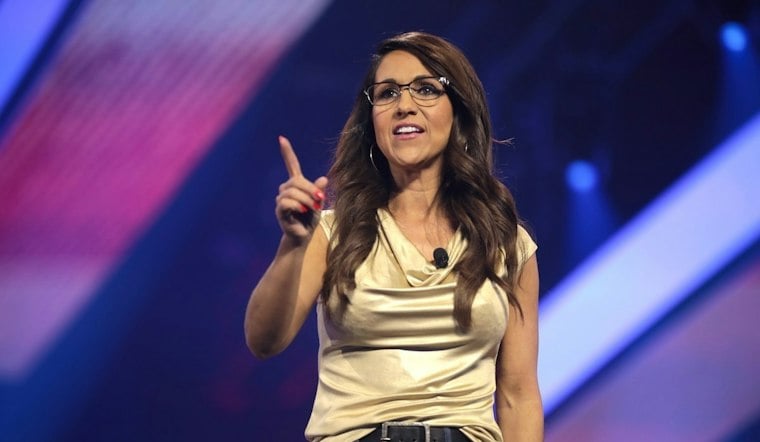
The Invest in Tomorrow Coalition PAC is carrying its fight over renewable-energy incentives from primary contests into November’s elections, committing $15 million to oppose seven Republican candidates. The targets include Reps. Lauren Boebert of Colorado, Scott Perry of Pennsylvania and Victoria Spartz of Indiana, as well as GOP congressional candidates in Florida, Nevada, New York and Texas, The New York Times reported. The common thread, according to the report, is their votes to end renewable-energy incentives established under the Biden administration.
The PAC’s earlier primary campaigns relied on candidate-focused attacks rather than making clean-energy policy their central message. Inside Climate News reported that the group criticized candidates’ loyalty to Donald Trump or their attendance records. In Tennessee, it spent $2 million opposing Rep. Andy Ogles and supporting challenger Charlie Hatcher; Ogles lost the Republican primary despite Trump’s endorsement. The report said Ogles had publicly promoted his vote to end clean-energy tax credits.
The group has also intervened in a Democratic primary, though through an affiliated committee. In September, Invest in America’s Future PAC spent $500,000 on attack ads against Rhode Island Gov. Dan McKee over proposed state renewable-energy cuts; McKee lost his primary, News From The States reported. That contest illustrates the group’s activity beyond Republican races, but a single example does not establish a broader pattern.
Money committed and money reported
The $15 million is a commitment for the coming campaign, not a figure showing that the money has already been spent. Federal Election Commission records show the PAC registered in January 2026 and raised $6.78 million in the first half of the year, largely from a $6 million contribution by Ripple co-founder Chris Larsen, according to its FEC filings. The FEC explains that independent expenditures support or oppose candidates without being given directly to, or spent by, those candidates. Its independent-expenditure totals draw on periodic reports and exclude 24- and 48-hour reports, so the records may not capture every recent expenditure.
The economic stakes—and the limits of the data
The policy dispute has consequences beyond campaign messaging, but project figures do not show what any one election or policy change will cause. E2 reported that its tracking found 65 announced or operating clean-energy projects cancelled, closed or scaled back since August 2022, including 42 in 2025; more than 30,000 jobs and nearly $27 billion in investment were associated with those projects and facilities. Those figures describe E2’s tracking and associated activity, not proof that the PAC’s target races or any single policy decision caused the cancellations, the organization said.
Whether a primary strategy that helped defeat candidates in a narrower party electorate can influence general-election voters remains unresolved. The PAC’s announced commitment, its earlier primary spending and the project data each describe different things; none, by itself, predicts the outcome of the seven November races.



