

























































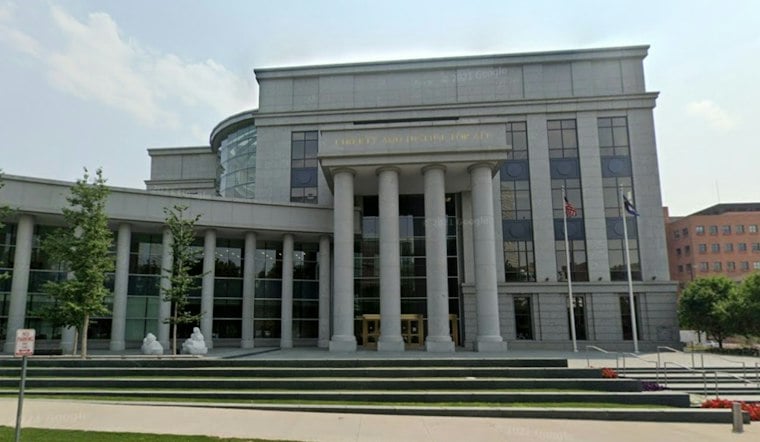
Colorado’s latest proposed changes to judicial-discipline rules would affect how cases are resolved, how adjudicative panels operate and what information remains confidential. The Judicial Discipline Rule-Making Committee has issued 10 proposals for public comment; comments are due Oct. 21, before the rules move further toward adoption.
The proposals build on Amendment H, approved by Colorado voters in 2024. The measure reduced the state Supreme Court’s role in judicial-discipline cases, expanded earlier and wider information-sharing about alleged judicial misconduct, and created the 13-member rule-making committee, according to Colorado Politics. The Denver Gazette first reported the new slate of proposals.
The proposals address several parts of the process, including agreed resolutions and the work of adjudicative panels. Committee chair Kristen L. Mix has said Amendment H does not require a trial and described stipulated settlements as “an incredibly useful device to avoid one,” according to Colorado Politics. The draft language says agreed-upon resolutions between a judge and the Colorado Commission on Judicial Discipline are generally encouraged as a matter of public policy.
How a Case Could Be Resolved by Agreement
The proposed rule sets out what a stipulated resolution would need to show: a summary of the allegations, the judge’s response, the facts the parties agree on and dispute, the reasons for settling, and an admission of misconduct. The proposal also identifies possible advantages of resolving a case this way, including conserving resources, reaching an outcome sooner, avoiding appeals, and reducing the burden of cross-examination on victims, witnesses and others affected, according to Colorado Politics.
Those requirements reflect a case still fresh in the committee's thinking. Montezuma County Court Judge Ian J. MacLaren received a censure and suspension after an adjudicative panel accepted a stipulated outcome for his admitted misconduct, the outlet reported. The panel's decision in MacLaren's case was 2-1, and the attorney member of that panel argued the panel should have held a hearing on unaddressed allegations of dishonesty rather than simply accepting the stipulation.
Confidentiality and the Rise of Summary Judgment
The proposals also clarify what remains private within a proceeding. Committee vice chair Nancy Cohen has said some existing rules for formal disciplinary proceedings were not as robust as they should have been. Under the proposed language, work product, deliberations and internal communications among members of an adjudicative panel would be confidential.
That protection for internal deliberations does not make formal proceedings themselves private. The Colorado Commission on Judicial Discipline says those proceedings are public and heard by a three-member adjudicative panel consisting of a district-court judge, a lawyer and a citizen. The proposals would also let each panel choose its own chair; the chair need not be the judge member and would preside over conferences, rule on objections, make procedural decisions and recommend legal rulings to the full panel.
The adopted rules do not permit motions to dismiss a discipline case outright, but they do allow summary-judgment motions that can resolve or narrow allegations without a trial, Colorado Politics reported. Discovery is addressed separately under Rule 24 of the commission’s adopted rules.
The Rulemaking Process Is Still Underway
The current proposals follow an earlier round of rule changes. On July 29, the committee posted three sets of interim rules that had taken effect in early to mid-June, Colorado Politics reported. They remain interim while public comment and adoption of final rules are pending. Under that earlier framework, former District Court Judge Justin B. Haenlein became the first judge publicly censured by a panel of the new adjudicative board. The board’s sanctions remain appealable to the Colorado Supreme Court.
A Pre-Amendment H Example
The Colorado Supreme Court’s April 16, 2021 case announcement records an order on the Commission’s recommendation to publicly censure Judge Natalie T. Chase, a different, pre-Amendment H discipline case that illustrates the court’s role in the earlier process, according to the Colorado Supreme Court.
The committee typically meets monthly and includes subcommittees focused on victims' rights and rule-drafting, work the committee describes on its own site as drafting revisions to the Rules of Judicial Discipline while welcoming public feedback. The panel plans to complete its work by the end of 2026, according to Colorado Politics' reporting on the committee's timeline.
Written comments on the newest batch of proposed rules are due by Oct. 21, with a virtual public-comment session scheduled for Oct. 26. Anyone with a stake in how Colorado judges are investigated, settled with, or put on trial has a narrowing window to make their case before the rules head toward adoption.





