

























































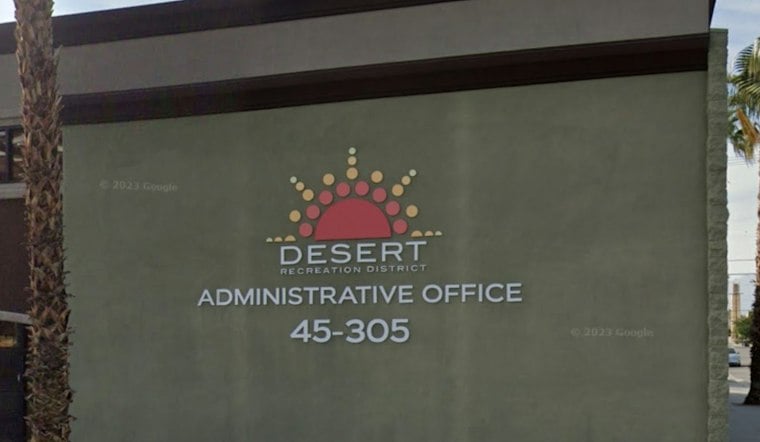
Desert Recreation District officials are considering eliminating 119 jobs even as the agency asks Coachella Valley property owners to approve a new parcel tax that would generate roughly $11.3 million a year. The potential cuts were included in the district's budget planning, surfacing just weeks before voters decide the fate of Measure P on the November 3 ballot.
The tension between shrinking payroll plans and a push for new tax revenue is at the center of a report from NBC Palm Springs, which found that Desert Recreation District's payroll ballooned from 343 employees in 2021 to 482 in 2024. Wages paid by the district climbed from about $7 million in 2022 to more than $9 million in 2024, according to the same report. Measure P itself would charge property owners 5 cents per building square foot — about $100 a year for a typical 2,000-square-foot home — and is projected to raise close to $11.3 million annually for facility repairs and community programs, per Coachella Valley Weekly.
A Two-Thirds Hurdle and a Skeptical Mayor
Because Measure P is classified as a special parcel tax under California election law, it needs approval from two-thirds of voters — a 66.67% supermajority — to pass, according to Ballotpedia. That steep threshold comes as La Quinta Mayor Linda Evans is questioning the district's approach and says she is prepared to oppose the measure, the Roggin Report notes. Evans drafted a letter to Desert Recreation District General Manager Dr. Gabriel Martin calling for greater financial transparency and urging a serious effort to right-size the organization before taxpayers are asked for more money, according to the station's report.
Mayors from Palm Desert, Coachella, Indian Wells and Indio have reviewed Evans' letter and may sign on, per the same account. Two residents quoted in the report captured the mood among some property owners: Katrina Dixon said the lack of transparency makes her question how readily she would support the district financially, while Nick Collins said his checkbook is staying in his pocket for now until the district provides answers.
Rising Interfund Transfers Draw Scrutiny
The district's own audited financial statements show a structural budget gap that has widened sharply in recent years. Annual interfund transfers from Desert Recreation District's General Fund to its Assessment Fund grew from $583,000 in fiscal year 2022 to $2.02 million in fiscal year 2023, then to $3.50 million in fiscal year 2024 and $4.16 million in fiscal year 2025 to cover operating deficits, according to the Uken Report.
That trajectory prompted La Quinta City Council Member Steve Sanchez to publicly call on the Riverside County Local Agency Formation Commission to conduct an independent forensic audit of the district's expenditures, transfers and contracts. Sanchez went further in late September, launching a public Vote No on Measure P campaign and arguing that property taxpayers should reject the parcel tax until the district clarifies the root causes of its structural deficits, the Uken Report states. Desert Recreation District Board President Giovanna Healy has begun asking her own questions about the district's finances, though the Roggin Report notes she did not create the district's financial problems or the potential job reductions.
Records Requests Target Spending and Contracts
The Roggin Report has filed a public records request seeking 13 categories of information from the district, including Dr. Martin's district credit card statements dating back to his arrival in September 2025 and any expenses the district paid on his behalf. The request also seeks a list of organizations to which Desert Recreation District donated money in 2026, along with records involving Desert Concepts and the Thermal Community Park — covering contracts, spending, board funding requests, change orders, and explanations for delays.
The Thermal Community Park project offers one window into the district's capital financing practices. To build the 10-acre, $10.3 million park, Desert Recreation District issued a $5 million tax-exempt Grant Anticipation Note at a 4.71% interest rate to bridge cash-flow gaps between construction bills and delayed state and federal grant reimbursements, according to the CSDA Finance Corporation. The park sits in Thermal, one of the historically unserved eastern Coachella Valley communities that Riverside County Supervisors directed the district to serve when they approved its long-range park plan under the Quimby Act in May 2021, per the Uken Report.
Solvent for Now, But Deficits Persist
Despite the mounting transfers, Desert Recreation District is not insolvent. The district maintained approximately $17 million in General Fund balance as of its fiscal year 2025 audit, during which independent auditors issued an unmodified opinion on its financial statements even as the structural operating deficits continued, the Uken Report notes.
District officials point to services like its regional extreme-heat cooling centers — operated during summer months in Palm Desert, Mecca, North Shore and Thermal to protect vulnerable valley residents — as the kind of program Measure P revenue would help sustain, according to Desert Recreation District. The district describes itself as California's largest park and recreation agency, covering 1,887 square miles and serving more than 432,000 residents across 15 Coachella Valley municipalities and unincorporated communities, per the district's own materials.
Desert Recreation District's proposed 2026-27 budget included recommendations to review agreements with other agencies, examine capital and maintenance needs, review its reserve policy, and consider whether the organization should be reorganized before pursuing a parcel tax, according to the Roggin Report. Dr. Martin was invited to discuss the district's financial issues but had not appeared on the program at the time of the report.



