

























































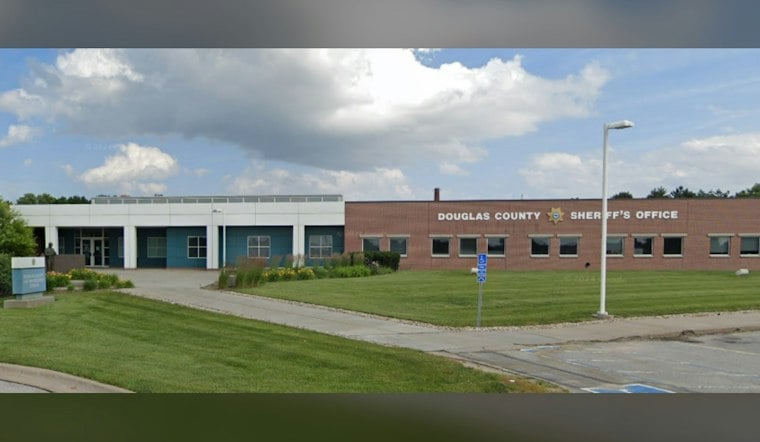
Douglas County's safety-net program for low-income residents is under fire after a state audit found the county spent nearly $7 million on administrative costs while delivering $9.4 million in direct aid between 2023 and 2025 — and lost track of who received nearly 26,000 gift cards worth more than $759,000. The findings have triggered a criminal investigation by the Douglas County Sheriff's Office and sparked a public standoff between state oversight officials and county leaders over how the program should be run going forward.
The audit, released in September, found that Douglas County's Department of General Assistance spent roughly $74 in administrative costs for every $100 in direct assistance delivered to clients, according to the Nebraska Auditor of Public Accounts. Nebraska State Auditor Mike Foley flagged the ratio as part of a broader review of a department that processed roughly 5,100 aid applications over the three-year span, as reported by the Omaha Daily Record.
As KMTV 3 News Now reported, the state auditor's findings raised concerns about how taxpayer-funded assistance dollars were spent through the county's general assistance program, prompting calls for reform alongside the sheriff's investigation. The program is meant to help low-income Douglas County residents meet basic needs, including hygiene-related purchases funded through Dollar General gift cards.
Gift Cards Went Untracked for Years
Between 2023 and 2025, the county purchased nearly 26,000 Dollar General gift cards without maintaining the record-keeping logs needed to show which clients actually received them, the state auditor's office found. Under the program's own guidelines, eligible clients are limited to $25 per month in gift cards for hygiene and cleaning supplies, plus an $80 gift card every six months for clothing, per the same auditor's report.
When auditors pulled a targeted sample of 100 gift cards for closer review, the results were stark. Nearly 40% of the funds tested went toward unapproved items like food, toys, and pet food, nearly 11% purchased alcohol and tobacco, 12% lacked any documentation at all, and 3% were redeemed through the OpenBucks e-commerce platform, according to Nebraska Public Media. KMTV reported that, according to the audit, nearly 70% of the sampled cards showed purchases outside approved guidelines, with Foley saying the random review turned up toys, pet food, alcohol and tobacco products among the items bought.
Doug Kagan, who criticized the program's spending controls in comments to KMTV, said a complete audit of the thousands of gift cards issued countywide would likely have uncovered far more misused funds than the limited sample revealed. County officials, for their part, characterized the sample as targeted and selected for red flags, according to Kissel, Kohout, ES Associates; the state auditor's office selected a random sample of 100 cards.
Why Dollar General, and Why It's Changing
County officials explained that Dollar General was originally selected for the voucher program because administrators believed the chain did not sell prohibited items such as beer and tobacco when the program was first established. Over time, the retailer's expanded product offerings opened the door to purchases the program was never meant to cover, the same report noted.
In response, the Douglas County Board of Commissioners announced it is ending its contract for Dollar General gift cards and searching for a replacement vendor that does not stock alcohol or tobacco. The board has also acknowledged the need for improvements and stronger oversight of the program, while emphasizing that assistance for residents experiencing poverty must continue.
Sheriff's Investigation and Six-Figure Salaries
Nebraska's state auditor requested that Douglas County Sheriff Aaron Hanson investigate the program, and Hanson has said the inquiry must determine whether the county's conduct amounted to gross mismanagement, intentional fraud, or both. Hanson said the investigation is already underway, though county officials cautioned the review could take several months before any conclusions are reached.
The scrutiny extends to staffing costs inside the 18-person General Assistance department. State audit figures show the department's three highest-paid employees earned $166,614, $122,113, and $104,198 in 2025 — salaries totaling more than $392,000 among just three positions. Following the audit's release, General Assistance Director Melissa Sewick said county officials are evaluating artificial intelligence tools to handle repetitive administrative tasks and bring down overhead costs across the department.
A Legal Mandate Collides With Oversight Demands
Douglas County's obligation to run the program at all traces back to Nebraska Revised Statute § 68-104, which designates the Nebraska Department of Health and Human Services as overseer of the poor and assigns county boards responsibility for general assistance and certain medical services; the requirement that recipients not qualify for other medical assistance applies only to medical services, according to the Nebraska Legislature. County officials have opposed eliminating the program outright, and Commissioner Brian Fahey said poverty is visible every day in Douglas County, according to KMTV's reporting.
The county board has reaffirmed its support for the general assistance program, framing it as a safety-net service the county is legally required to maintain even as it works to tighten controls. Both the state audit and Hanson's criminal investigation are expected to shape future discussions about how Douglas County administers emergency assistance, with officials saying the central task now is ensuring taxpayer dollars are spent as intended.



