

























































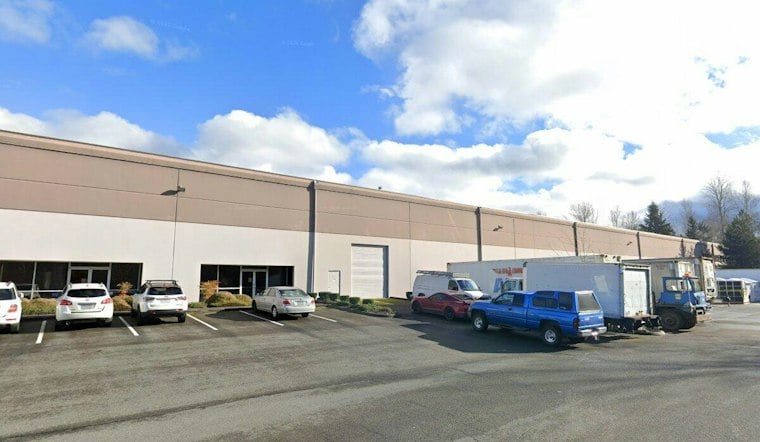
The Everett company that built quick-assembly tiny-house shelters for nearly 140 communities across the country has shut down, and its founder is warning that Seattle's homelessness response is heading in the wrong direction. Pallet, launched by Amy King and her husband Brady in 2017, closed operations after nine years, citing shifts in funding environments and political priorities.
King told The Seattle Times that she is winding down the company because there was nothing left to build and she could no longer justify keeping its lease. At its peak, Pallet built close to 35 sites a year and sold its micro shelters to cities and service providers nationwide, but the company dissolved after cities began pulling or delaying contracts amid budget cuts. According to heraldnet.com, Pallet villages in the United States and Canada provided more than 6,083 beds and safe shelter to around 30,000 people over the company's run.
The company's production told its own story of decline. Pallet built 33 villages in 2021 but only five in 2026, the Herald reported, while everettpost.com separately reported the 2021 peak at 35 villages and said the count fell from 18 in 2025 to five in 2026. Pallet raised more than $18 million in venture and impact funding over its history, including a $15 million Series A round in 2022, per GeekWire, which also noted the company deployed more than 100 transitional villages across North America, providing over 6,000 temporary beds to an estimated 30,000 people.
A Founder's Diagnosis of a System Losing Ground
King's critique goes beyond her own company's finances. She said homelessness systems have evolved in a troublesome and concerning way over the last two years, and that some Pallet sites did great work while others did not, in part because the company lacked control over how individual sites were operated by the local governments and nonprofits that hired it. She said Pallet's shelters sometimes caused harm because of factors outside the company's control, and argued that communities have stopped investing in the resources that actually work, with some pulling back on investment altogether.
At the center of her argument is a shift in how money gets spent. King said funding has moved toward capital expenditures, like buying shelter units, and away from the service expenditures needed to make shelter effective. She pointed to one case manager for roughly every 50 people in the system as proof that current funding levels are insufficient to help someone in crisis, and said people experiencing homelessness need a stable place before services can meaningfully reach them.
Housing First, Not Housing Only
King has long argued that a true housing-first approach includes housing paired with necessary services, not housing alone. She told FOX 13 Seattle, “it's housing first, not housing only,” adding that not everybody experiencing homelessness needs permanent supportive housing, even as she maintained that such housing is still needed for those who do. Different people, she said, need different services, and the response to homelessness needs a more diversified approach than it currently has.
She also connected the funding shift to a broader failure to adapt. Fentanyl has changed how society works with people and approaches recovery, King said, and providers have not adjusted to those changes. Higher-level services, she argued, require more staff, better training and access to healthcare than current systems provide, and some previous providers lowered the standard for what service costs should look like in the first place.
Seattle's Shelter Math Falls Short of Goal
King's warning lands as Seattle pursues a major shelter expansion under Mayor Katie Wilson, who has pushed to add 1,000 units of shelter and emergency housing during her first year in office. The mayor's office said 269 shelter or emergency-housing beds had been opened or announced toward that goal, according to KING 5, while Sharon Lee, executive director of the Low-Income Housing Institute, said the pace of opening tiny-house villages has accelerated even as she was unsure the city would reach 1,000 units by year's end. Separately, PubliCola reported a net total of 175 new Pallet and tiny-house units combined had been added.
Pallet's closure does not shut down existing sites built with its shelters, including Seattle's Bayside Enhanced Shelter in Interbay, which has 75 individual units and is operated by Everyone Deserves Housing. But KING 5 reported the company said it can no longer guarantee inspections, repairs, replacement parts, reimbursement or warranty service for those units while it winds down. LIHI's own tiny-house villages use a different model and do not rely on Pallet shelters, the station noted.
A County Where Beds Are Shrinking as Need Grows
The backdrop to King's warning is a county-level count showing both rising need and a shrinking shelter system. King County's 2026 Point-in-Time Count estimated 18,365 people experiencing homelessness, including 11,829 who were unsheltered and 6,536 who were sheltered, according to the King County Regional Homelessness Authority. That overall growth slowed to 9% between 2024 and 2026, down from a 26% increase between 2022 and 2024, but shelter beds fell from 5,958 to 5,269 over the same period, a loss of 689 beds, even as occupancy stayed at 94% on the night of the count. The authority says the county now has roughly one shelter bed for every three people experiencing homelessness.
King said Seattle is going backwards in its homelessness response, and that both the city and the country more broadly need a full redesign of how the system operates. Cities, she said, have the authority, power and resources to do things differently, but often choose not to. She said she plans to stay involved in reshaping how homelessness responses work going forward, though she does not yet know what her own future role will look like.
Pallet employed people who had themselves experienced homelessness or had a criminal background, a hiring practice the company highlighted throughout its nine years of operation. In 2022, Everett allocated $2.7 million in COVID relief funds toward Pallet shelter projects, while Snohomish County contributed $325,000 from an affordable housing fund and federal relief dollars, according to the Herald — investments that reflect how deeply local governments had come to rely on the company before its abrupt exit from the market.




