

























































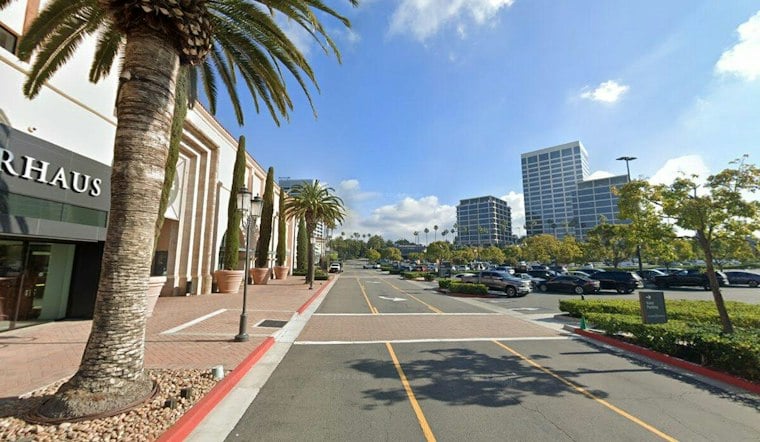
A local watchdog group is suing Newport Beach over the way the city counts housing near John Wayne Airport and Fashion Island toward its state-mandated building goals, arguing a recent appellate ruling against Redondo Beach proves the city's entire housing plan is built on a legal shortcut that no longer holds up. The lawsuit, filed by the Newport Beach Stewardship Association, asks a judge to freeze construction on affected projects until the city rewrites its plan.
The case lands in front of Orange County Superior Court Judge Melissa McCormick on Thursday, marking the first hearing in a dispute that could ripple across the city's housing pipeline, according to the Los Angeles Times. At issue are housing overlays, zoning tools that let developers build residential projects in certain areas without actually requiring them to do so, which Newport Beach leaned on near the airport and the upscale Fashion Island shopping district to help satisfy its Regional Housing Needs Assessment obligations.
The association's argument rests heavily on a California appellate court decision that invalidated Redondo Beach's housing plan after finding the city improperly used similar overlays, zoning that permits but doesn't mandate housing, to meet its own state housing targets. That ruling disallowed the practice specifically because the underlying zoning still allowed nonresidential development, according to the same Los Angeles Times report. The California Supreme Court declined to take up Redondo Beach's appeal in January, leaving the appellate decision as the governing precedent other cities now have to reckon with.
A City Council Candidate Pushes the Redondo Beach Parallel
Walter Stahr, who is running for Newport Beach City Council, has become the most vocal public face pressing the city to change course. We want the city to adopt a housing plan that complies with the law as interpreted by the court of appeals in the Redondo Beach case, Stahr said, per the Los Angeles Times. He went further, arguing the ruling isn't limited to one city's zoning quirks: The Redondo Beach case tells every city in California go back to the drawing board, he said.
Stahr has also pushed back directly against the idea that Newport Beach's situation is meaningfully different from Redondo Beach's, saying the two are not different situations. He's framed the overlays as a way for officials to avoid harder political choices, arguing the zoning tool lets the city defer difficult rezoning decisions rather than commit to real residential development.
City Says Its Plan Was Already Vetted by the State
Newport Beach is standing by its housing element, which the city says was reviewed and certified by the California Department of Housing and Community Development more than three years before the appellate court's decision came down. City spokesperson Georgia Rios said HCD determined that the plan complied with California housing law, and that the city developed its housing element through a public process in consultation with the state agency.
Rios has also argued that retroactively applying the Redondo Beach ruling to a plan the state already signed off on creates real problems beyond Newport Beach. Applying the ruling to an already certified plan would create significant uncertainty for cities that relied on the process in good faith, she said, according to the same report. The city maintains its planning process was materially different from Redondo Beach's, a point the Stewardship Association disputes directly.
What's at Stake for the City's Housing Pipeline
Newport Beach's current housing plan allows for construction of up to 8,174 new units through the end of the decade, with a third of those intended as affordable housing, the Los Angeles Times reported separately in April. The city approved that plan in 2024 without putting it before voters, and a prior challenge from the Stewardship Association over that same plan was rejected by Judge McCormick in 2025, a ruling the group is now appealing.
The new lawsuit is narrower but more aggressive in its ask: it wants McCormick to halt construction on all applicable projects unless they're amended to comply with the law. One project reportedly in the mix is a townhome development seeking approval to build 30 three-story units next to the Environmental Nature Center. The Stewardship Association points to Costa Mesa as a city that relied on similar overlays but is now proactively amending its housing plan in response to the appellate ruling, rather than fighting it in court.
Measure H Looms Over the Legal Fight
The courtroom battle is unfolding just as Newport Beach voters prepare to weigh in directly on the city's housing targets. Voters will decide on Measure H next month, a ballot measure the Stewardship Association helped qualify, which would shrink the city's accommodated unit count from 8,174 down to 2,900 while still counting pipeline projects toward that lower threshold.
The legal stakes extend beyond Newport Beach's borders. According to a legal analysis from Holland & Knight, the Redondo Beach ruling may expose numerous jurisdictions that leaned on overlay zoning to new Builder's Remedy applications, a state law mechanism that strips cities of local zoning control when their housing plans are found noncompliant. Redondo Beach itself has since proposed replacing its overlay program with High Density Multi-Family Residential and Mixed Use designations, a shift that would require future redevelopment on identified housing sites to devote at least half of total floor area to residential use, according to the city's own housing element documentation.





