

























































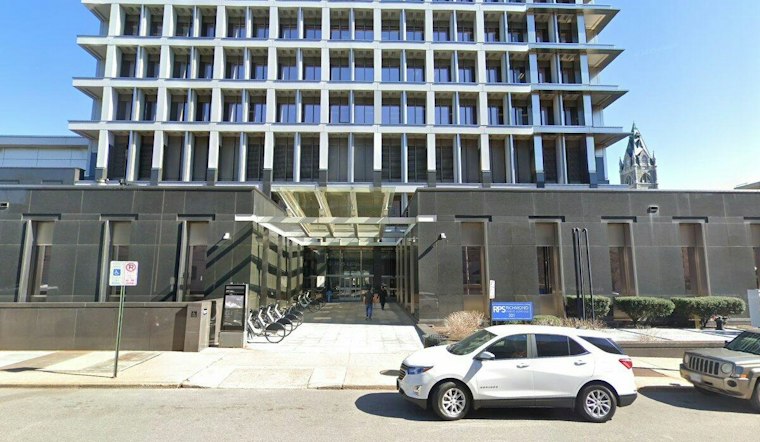
Richmond city officials are weighing a temporary hiring freeze and a pause on filling some noncritical vacancies as the city stares down a projected $17.3 million deficit for fiscal year 2028 if its real estate tax rate stays at $1.20 per $100 of assessed value. The warning comes as Mayor Danny Avula pushes ahead with plans to cut both the real estate and meals tax rates, even as the city's bills for pensions, schools and debt keep climbing faster than its revenue.
A Freeze on the Table, Not Yet a Decision
Chief Administrative Officer Odie Donald II told officials the city is exploring what he called “targeted cost avoidance” options, including a possible hiring freeze and pausing some noncritical vacancies, according to richmonder.org. As Axios reports, city officials are trying to control costs and raises without resorting to layoffs, and said they would return with more information as planning continues. Nothing has been finalized, and the scope of any freeze — including which positions or programs might be spared — has not been detailed.
The fiscal pressure stems from a familiar imbalance: revenue growth has trended toward 3% to 4% annually compared with 7% to 9% on the expenditure side, according to consultant PFM's findings as reported by WTVR. Rising personnel and pension costs, growing transfers to Richmond Public Schools, and increasing debt-service obligations are all driving the gap, per the same richmonder.org report. Recent pension obligation bonds alone are expected to add $10 million a year in debt-service spending, the station notes.
Tax Cuts Complicate the Math
Avula has said he will work to reduce both the meals tax and the real estate tax rate by one cent in the budget he proposes next spring, per richmonder.org's reporting. But the math only gets harder from there: taking one cent off the real estate rate would grow the projected FY28 deficit to almost $21.9 million, while a four-cent cut — the figure favored by several City Council members, including Reva Trammell — could produce a $35.6 million shortfall, according to the same outlet.
Avula's one-cent real estate tax cut is tied to passage of the city's proposed 1% sales tax, per Axios's reporting, a measure that would generate an estimated $47 million in new revenue each year for Richmond school construction and major repairs, according to VPM. The mayor is scheduled to introduce his full FY28 budget proposal to City Council on March 11, 2027, the station reports.
Council Presses on Revenue Forecasts and Debt
During budget discussions, council members questioned whether the city's revenue forecast is too conservative and whether Richmond can still afford tax cuts given the fiscal strain, Axios reports. Others pressed on how rising debt could affect future budgets, while councilors separately asked whether delays tied to the Diamond District redevelopment could add further pressure to the city's finances.
City consultants have characterized the $17.3 million deficit figure as a baseline projection rather than a firm prediction, Axios notes, one that assumes the city does not close its projected budget gaps and excludes most future salary increases that could emerge from upcoming union negotiations. Richmond must still refine its revenue forecast, negotiate union contracts, and decide what, if anything, to cut for tax relief before the mayor's budget proposal goes to council.
From Surplus to Squeeze
The warning marks a sharp turn from recent years. Richmond posted general-fund budget surpluses of $44.1 million in fiscal year 2022 and $56.3 million in fiscal year 2023, even as its general-fund budget swelled from about $780 million in fiscal year 2021 to around $1.09 billion by fiscal year 2025, according to richmonder.org's analysis. Donald pointed to broader economic headwinds now squeezing that cushion, naming the Iran war, high interest rates and rising gas prices as pressures on the city's finances, per Axios. Pandemic-era federal aid has also expired, while personal-property revenue is under pressure as car values normalize and property assessment growth slows citywide.
Donald summed up the shift bluntly, according to Axios: “You still got Kool-Aid, just no sugar.” Meanwhile, homeowners are bracing for another hit at the mailbox — Richmond is expected to send out higher tax bills in 2027 as the city catches up on property reassessments after skipping a year, per richmonder.org's reporting. Despite the warnings, Avula has said he would like to remain true to his plan to propose both tax rate cuts when his budget comes before council next spring.





