

























































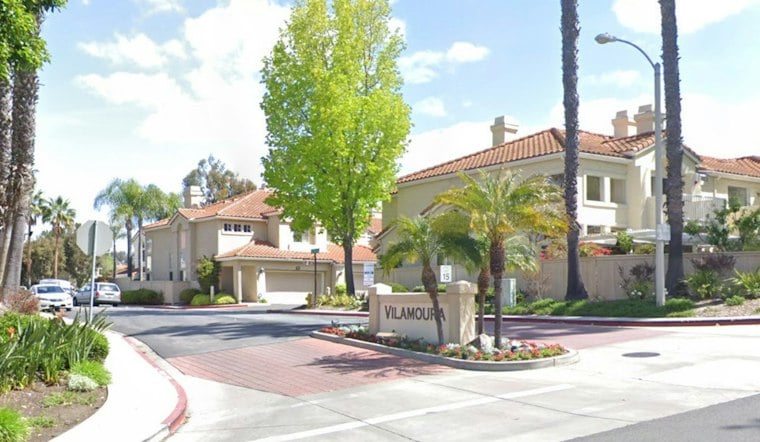
A $26,000 bill to replace roofs at a San Clemente condominium complex has put homeowners’ ability to pay in direct conflict with the association’s warning about the risk of delaying repairs. The dispute at the 198-unit Villa Moura complex is not simply about the size of the bill: residents and the homeowners association disagree about the work needed and the danger of waiting.
Residents told ABC7 that each owner was assessed more than $26,000. Payment options include paying at once, splitting the bill into two lump sums, or adding more than $2,000 to monthly payments for six months and then $400 a month. The reported project totals $5.2 million, including $500,000 for fire-suppression repairs, according to the Los Angeles Times.
The dispute is over the scope—and the risk of delay
Residents say the roofs are not leaking and question whether replacing the tiles is necessary if the underlayment could be addressed instead, ABC7 reported. The Times reported that an independent expert concluded the roofs would continue to leak without replacement and could cause serious interior damage. The association’s attorney, James R. McCormick, also said roof maintenance should have been planned in earlier years, while warning of the consequences of not replacing the roofs.
The competing descriptions matter: the expert report’s warning supports the association’s concern about future damage, but it does not by itself settle whether the full project or its timing qualifies as an emergency. Homeowners involved in a recall effort have cited a weatherproofing plan estimated at about $400 per resident as an alternative, the Times reported. That estimate and the association’s larger project concern are different proposals; the available accounts do not establish that they cover the same work or risks.
The financial consequences are immediate for some owners. Beverly Albright, 81 and living on a fixed income, told the Times she may have to sell because she cannot afford the assessment; The Cool Down also reported her concerns. The Times reported that homeowners have started a recall effort seeking to remove the board and repeal the assessment, and that the association sent lien letters warning missed payments could lead to foreclosure. The board declined to comment to the Times, citing ongoing legal matters.
Safety mandates elsewhere offer context, not an answer
Other states’ responses to building hazards show how safety concerns can lead to mandated work, but they do not determine whether Villa Moura’s project meets California’s emergency standard. Honolulu Civil Beat reported that a deadly fire at the Marco Polo high-rise in July 2017 led Hawaii to require older buildings over 10 stories tall to install sprinklers or pass a point-based safety evaluation. That was a fire-safety rule following a fatal fire, not a ruling about roof repairs or assessments.
A 2024 memo from Florida Senate President Kathleen Passidomo described a separate post-Surfside requirement for condominium and cooperative buildings at least three stories high to undergo structural-integrity milestone inspections. That Florida inspection requirement, described in the Senate memo, is not California law and does not resolve the dispute over Villa Moura’s roof scope.
California law and the association’s governing documents still frame the local dispute. HOA attorney Michael Kushner told ABC30 that owners generally must keep paying an assessment while challenging it. The article also notes that Civil Code Section 5610 does not cap increases needed for emergencies; that provision alone does not establish whether Villa Moura’s roof project qualifies. The unresolved questions are what work is necessary, how urgent it is, and whether the association’s chosen assessment and payment terms can withstand a challenge.




