

























































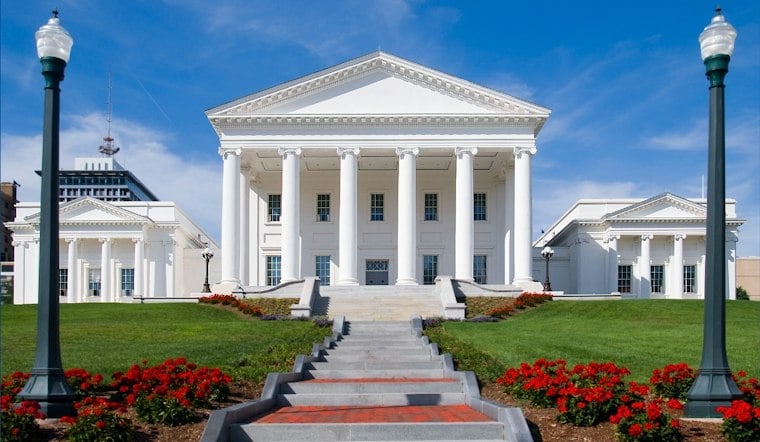
Virginia voters will decide next month whether to erase a same-sex marriage ban that has sat dormant in the state constitution for two decades, even though same-sex couples have been legally marrying in the commonwealth since 2014. The measure, known as Question 2, is one of three proposed constitutional amendments on this fall's statewide ballot, and it has become a flashpoint over a single word buried in its legal text: gender.
A Ban Still on the Books, Despite a Decade of Legal Marriages
Virginia's constitution currently states that only a union between one man and one woman may be a marriage valid in or recognized by the commonwealth and its political subdivisions, language voters approved in 2006 as part of the Marshall-Newman Amendment, which passed with 57.06% support and added Section 15-A to Article I, according to Wikipedia. That ban has been legally unenforceable since October 2014, when federal courts ruled in Bostic v. Schaefer that it violated the 14th Amendment, after U.S. District Judge Arenda L. Wright Allen first struck it down that February, according to Freedom to Marry. The U.S. Supreme Court has since ruled that same-sex marriage is legal nationwide, as reported by DC News Now.
Getting the repeal onto this year's ballot required Virginia's constitutional amendment process, which demands identical resolutions pass the General Assembly in two separate sessions separated by a House of Delegates election. That happened in 2025 and early 2026, and Governor Abigail Spanberger signed the referendum bill into law in February, per Equality Virginia. Lawmakers had already repealed the state's defunct statutory ban in 2020 and added affirmative statutory protections in 2024, but as Ballotpedia notes, ordinary statutes can be changed by a future legislature without a popular vote, which is why advocates pushed for constitutional permanence.
Couples Urge a Yes Vote, Citing Personal Stakes
P.J. Fanning and Will, a married couple, are urging Virginians to vote yes on the amendment. Fanning said marriage equality has been the law of the land for a decade and that Virginia's constitution should reflect his own marriage and commitment, according to DC News Now's reporting. Narissa Rahaman, campaign manager with Virginians for Marriage Equality, has said the amendment is necessary because same-sex marriage would become illegal in Virginia again if the U.S. Supreme Court ever reverses its prior ruling, telling the outlet that the state's ban would snap back into place automatically without a constitutional repeal.
That concern isn't hypothetical to advocates: an estimated 16,000 same-sex married couples currently live in Virginia, according to VPM News, and their state-level protections currently rest on federal precedent and the 2020 and 2024 statutes rather than on the constitution itself.
What the Amendment Text Actually Says
The official text of the proposed amendment, designated HJ3, would designate marriage as a fundamental right inherent in the liberty of persons and prohibit denying marriage licenses on the basis of sex, gender, or race, according to the Virginia Legislative Information System. That broader language, covering race alongside sex and gender, extends the measure beyond a standard same-sex marriage repeal. The enrolled joint resolution also includes a specific exemption stating that religious organizations and clergy acting in their religious capacity retain the right to refuse to solemnize any marriage.
Victoria Cobb, president of the Family Foundation, has concerns about how the amendment is written. Cobb said separating the words sex and gender in the text implies they are different concepts and gives transgender rights a foothold in the constitution, according to DC News Now. She has encouraged people to read the proposed amendment for themselves before voting.
Dueling Views on Religious Protections
Cobb also said the amendment does not include religious protections, and that churches could face lawsuits if they decline to perform a same-sex marriage, adding that small churches should not have to litigate to defend their right not to marry people outside their faith's definition of marriage, per the same DC News Now report. Legal commentators opposing the measure, including former Kansas Attorney General Phill Kline, have separately argued that adding the term gender alongside sex goes beyond federal precedent set in Obergefell and the 2022 federal Respect for Marriage Act, contending it introduces gender-identity protections into the state constitution, according to Cardinal News.
The federal Respect for Marriage Act, enacted in December 2022, repealed the 1996 Defense of Marriage Act and mandates federal and cross-state recognition of valid marriages, but it does not compel states to issue same-sex marriage licenses should federal constitutional precedent ever be reversed, according to Whitman-Walker. That gap between federal recognition and in-state licensing authority is the crux of why advocates argue a constitutional amendment still matters even with marriage legal nationwide.
Virginia's Place in a Broader Pattern
If approved, Virginia would become the fifth U.S. state to repeal a constitutional same-sex marriage ban at the ballot box, following Nevada's 2020 repeal and California, Colorado, and Hawaii in 2024, according to Wikipedia's tracking of the issue. Early voting in Virginia continues through October 31, with Election Day set for November 3.



