

























































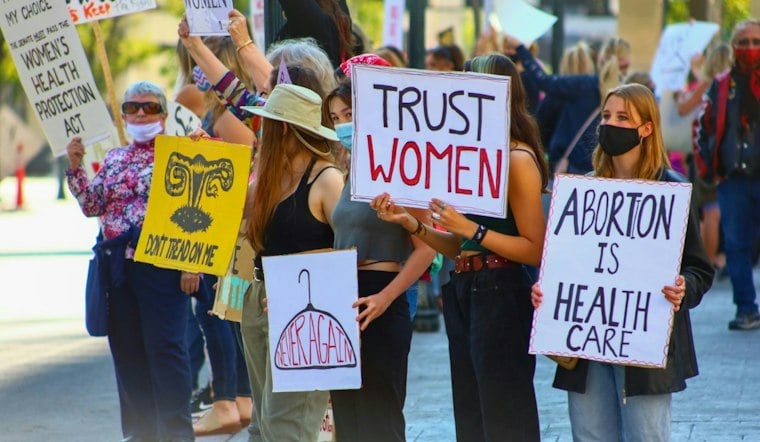
Virginia voters head to the polls on November 3, 2026, to decide whether reproductive rights — including abortion, birth control, fertility treatment and pregnancy care — should be written into the state Constitution. Early voting is already underway and runs through October 31. Supporters call it a firewall against future restrictions; opponents say it goes too far, and at least one lawsuit is still pending that could undo the whole effort even if voters approve it.
What Question 1 Would Actually Do
According to Virginia Mercury, the amendment would protect the freedom to make personal decisions about prenatal care, childbirth, postpartum care, birth control, abortion, miscarriage management and fertility care. It would also shield doctors, nurses and patients from punishment tied to those decisions, as VPM reports. Virginia currently allows abortion through two trimesters, until 28 weeks. Third-trimester abortions require approval from three physicians certifying the procedure is needed to save the patient's life or protect the patient's physical or mental health.
Question 1 would keep the door open for the state to regulate third-trimester abortion care, but with a carve-out: per a snippet from the Virginia Department of Elections, the Commonwealth could not prohibit an abortion that a physician determines is medically necessary to protect the pregnant person's life or physical or mental health, or when the fetus isn't viable. The same amendment would also lower the number of physicians needed to sign off on a third-trimester abortion from three to one, according to a report from WTVR.
A Durable Shield, or a Risky Opening?
Governor Abigail Spanberger signed the bill putting the amendment on the ballot on February 6, 2026, after Democratic majorities advanced it through the legislature in two successive sessions — with every Republican state lawmaker voting against it, per the dossier's seed reporting. Supporters frame the stakes in constitutional terms: if passed, the amendment would make it far harder for a future legislature or court to roll back reproductive rights, since doing so would require going through the amendment process all over again, according to KFF's analysis cited by VPM.
Republican lawmakers raised a different concern during debate — that the amendment could override parental or guardian consent requirements for minors seeking abortions. Democratic supporters counter that the amendment would not override existing state law but would instead more firmly protect access to abortion, contraception and fertility treatment — a direct conflict in interpretation that has not been resolved in court.
Lawsuits Still Looming Over the Ballot
The Family Foundation has a pending lawsuit seeking to strike down the amendment even if voters approve it, arguing the ballot language is misleading and that legislative procedures weren't properly followed. Virginia's 2026 ballot also includes proposed amendments on felony voting-rights restoration and same-sex marriage protections. Virginia Mercury's coverage draws a parallel to Ohio, where a similar ballot-language dispute in 2023 ended with the language itself being changed before voters ultimately approved a reproductive rights amendment there.
Personal Stories Behind the Ballot Language
Kacia Kriener Putman, who volunteered with Virginians for Reproductive Freedom, developed pre-eclampsia three weeks before her first pregnancy's due date and later developed HELLP syndrome, requiring an emergency cesarean section. She has said she felt safe trying for a second child because she knew she could obtain an abortion to save her life if complications returned. She plans to vote yes on all three amendments on the ballot.
Casey Oakley, who became a surrogate for friends through in vitro fertilization, received an abortion after a missed miscarriage and has said the procedure saved her life. Delegate Cia Price, a Democratic state lawmaker from Newport News, has said she uses contraception to manage polyendocrine metabolic ovarian syndrome — part of why Democratic lawmakers pushed to include contraception protections in the amendment's language, pointing to Justice Clarence Thomas's 2022 interest in revisiting cases that uphold contraception access after the Supreme Court struck down federal abortion protections that same year.
The Fight Over Third-Trimester Care
Opponents including Edward Springel argue that removing the three-physician standard would make abortion too easy to obtain, and that parents facing life-threatening conditions may have the option of premature birth instead. Virginia Medical Professionals for Women's Safety also opposes the amendment.
Virginia's Vote Fits a Larger Pattern
Virginia is one of four states putting abortion-related measures before voters this November, as NPR reports. Missouri voters will decide whether to repeal a 2024 amendment that guaranteed abortion access through fetal viability and replace it with a ban carrying exceptions for medical emergencies, fetal anomalies, and pregnancies from rape or incest. Idaho voters will weigh allowing abortion through fetal viability, generally considered around 24 weeks, while Utah currently allows abortion up to 18 weeks as legal challenges to its ban continue, and Nevada requires two separate majority votes to enshrine any constitutional amendment. More than 39,000 abortions occurred in Virginia in 2025, including over 8,400 involving patients from out of state, according to Guttmacher Institute data reported by WTVR — a number that underscores the state's role as a regional access point since the Dobbs decision reshaped the landscape four years ago.



