
























































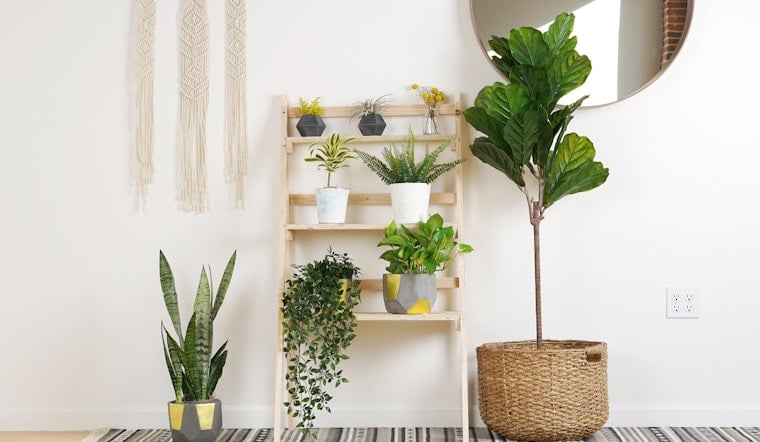
Houseplants have become increasingly popular over the past few years. It may seem difficult to keep a plant alive, but armed with a little practice and knowledge, just about anyone can develop a green thumb. Having your own indoor jungle is a great way to brighten up your space, as houseplants add character and life to any home.
Chinese Money Plant
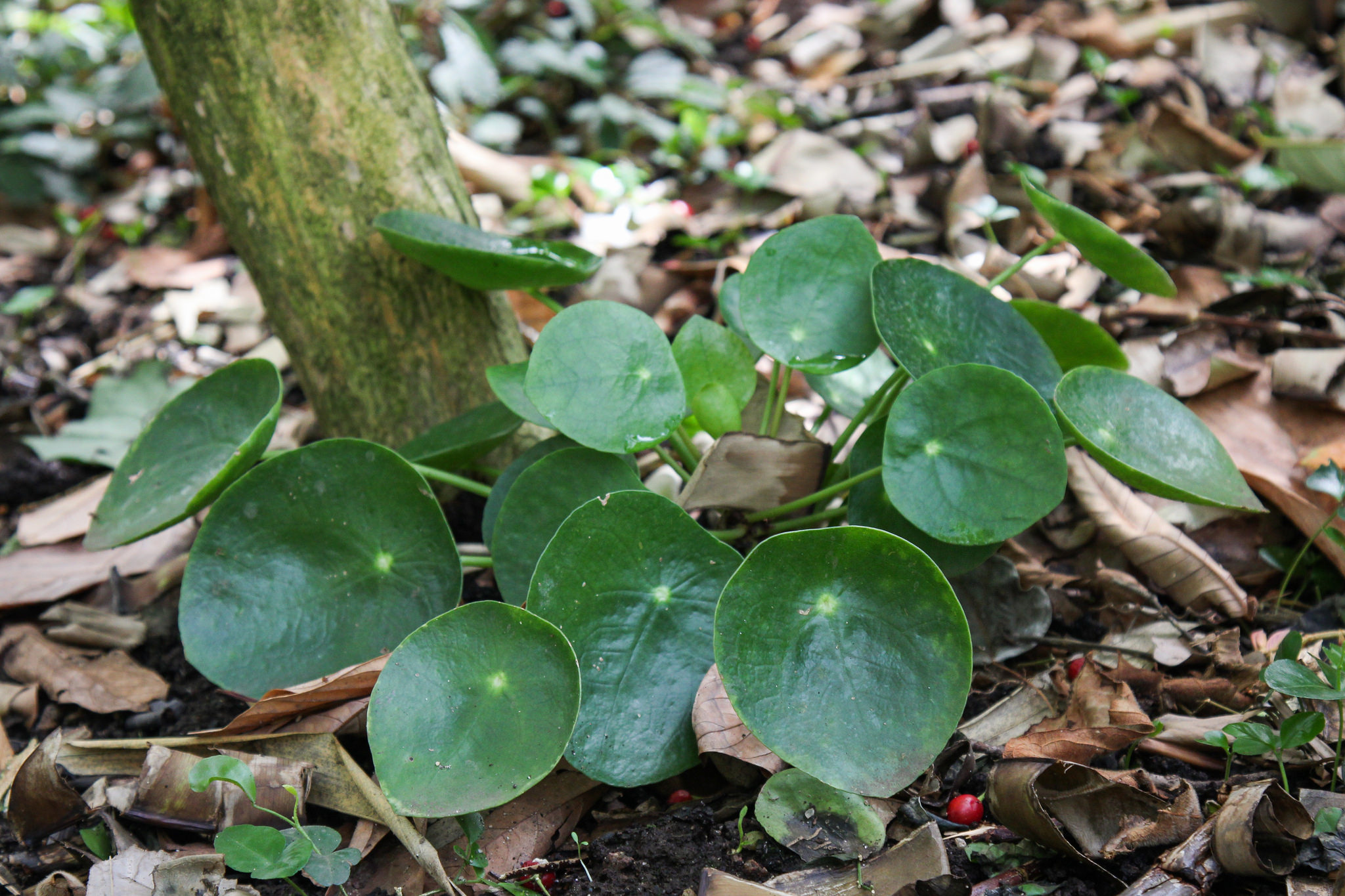
The Chinese Money Plant, or Pilea Peperomioides, has round, pepperoni-like leaves give it a unique and quirky appearance. They’re easy to grow and require bright indirect sunlight. Watering the plant once per week should suffice, as the soil needs to dry out almost completely between waterings.
The Chinese Money Plant’s leaves tend to grow toward the sun, so be sure to rotate your plant every week. Their leaves tend to accumulate dust easily, so give your plant a shower every once in a while.
Air Plants
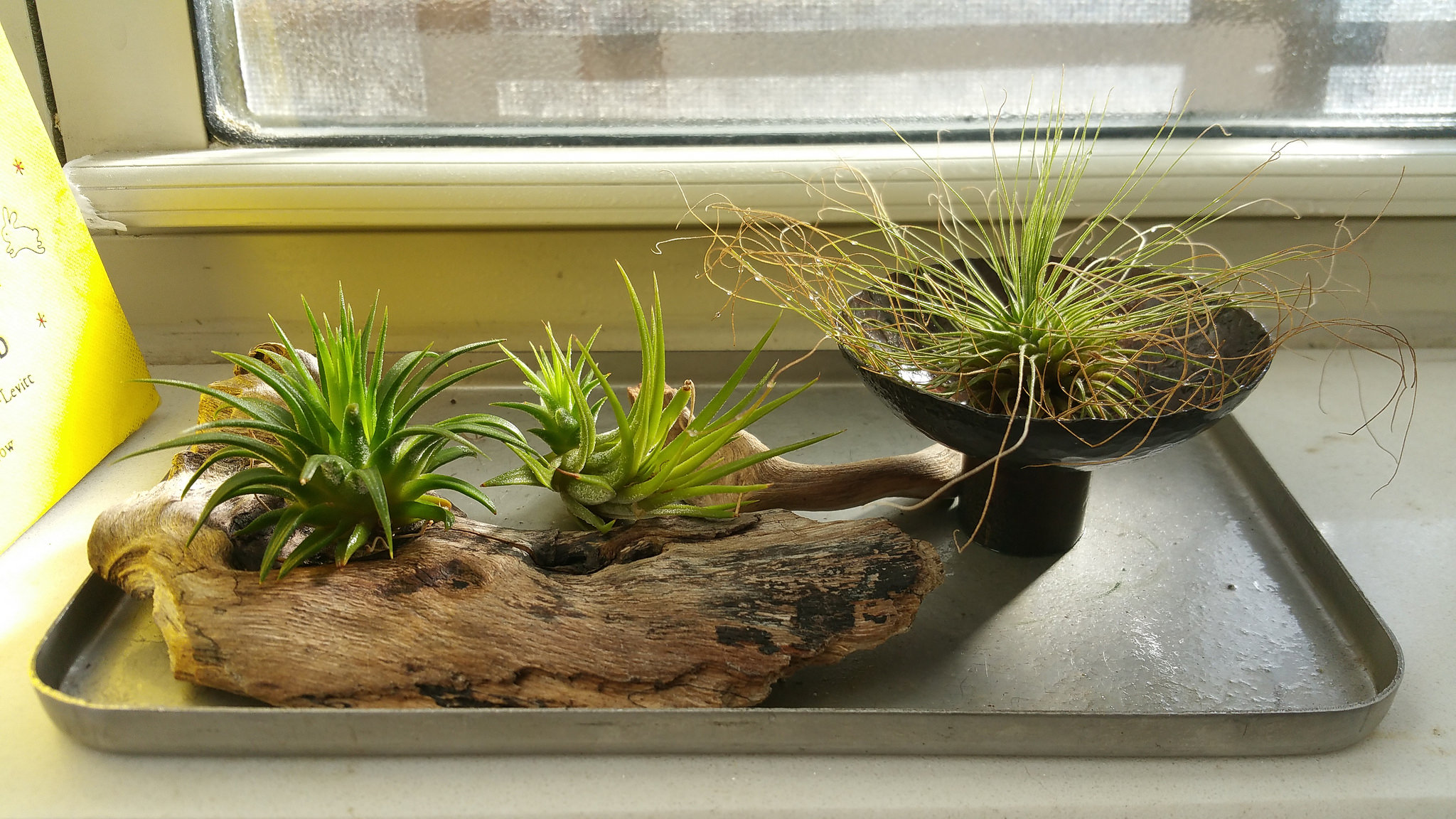
Air plants are possibly the most versatile house plants out there. Whether they’re placed in a holder or turned into an adorable jellyfish craft, they can add a lot of character to any room. They’re unique because they don’t require soil.
Air plant care is easy—once a week, soak your air plants in water for 20 to 30 minutes then let them dry for about four hours. If your air plant produces flowers, rinse it instead of soaking it to avoid damaging the delicate blooms. Air plants grow best in bright, indirect light—direct sunlight can quickly drain them of moisture.
Staghorn Fern
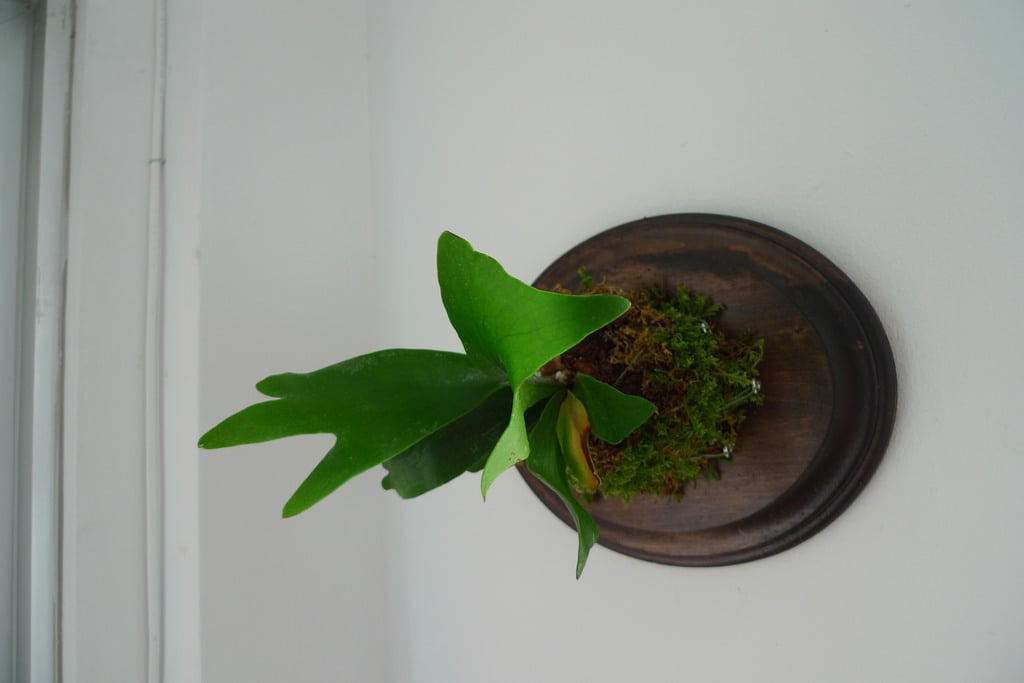
Because staghorn ferns typically grow on the trunks of trees, this plant thrives when mounted in a basket, turning it into a living wall hanging. When grown indoors, staghorn ferns need bright indirect light and moderate moisture. This plant does best mounted with nutrient-rich peat, compost, or humus. It requires frequent watering, but the soil should dry out in between.
Monstera
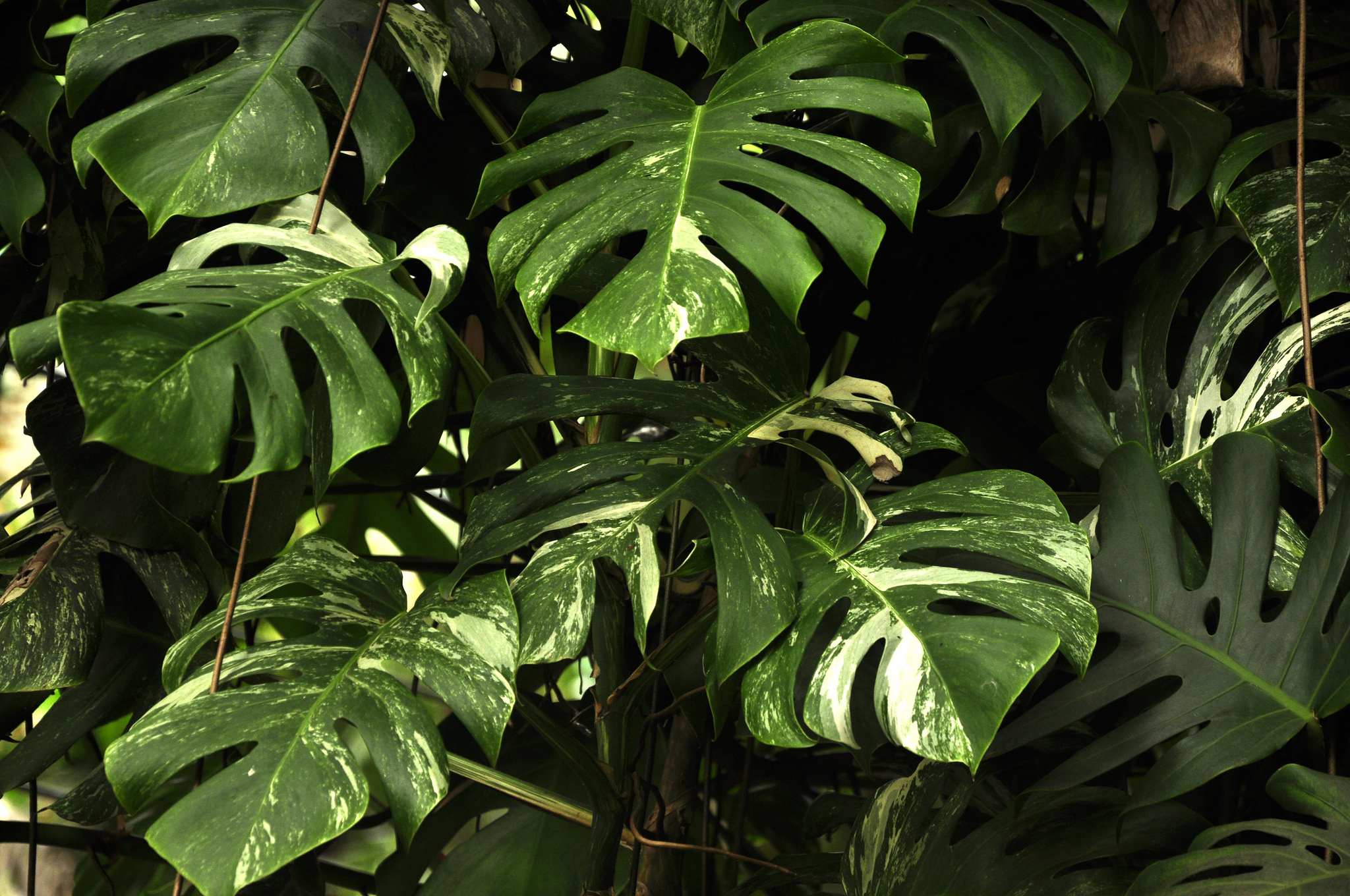
Popular in both clothing prints and home decor, the monstera has a distinctive appearance due to the splits in its leaves. Water your plant whenever the top inch of soil feels dry, and fertilize it every couple of months. Monsteras can easily become burned when placed in direct sunlight, so make sure the light this plant receives is bright but indirect. Because the monstera can grow so large, pruning is essential.
Snake Plant
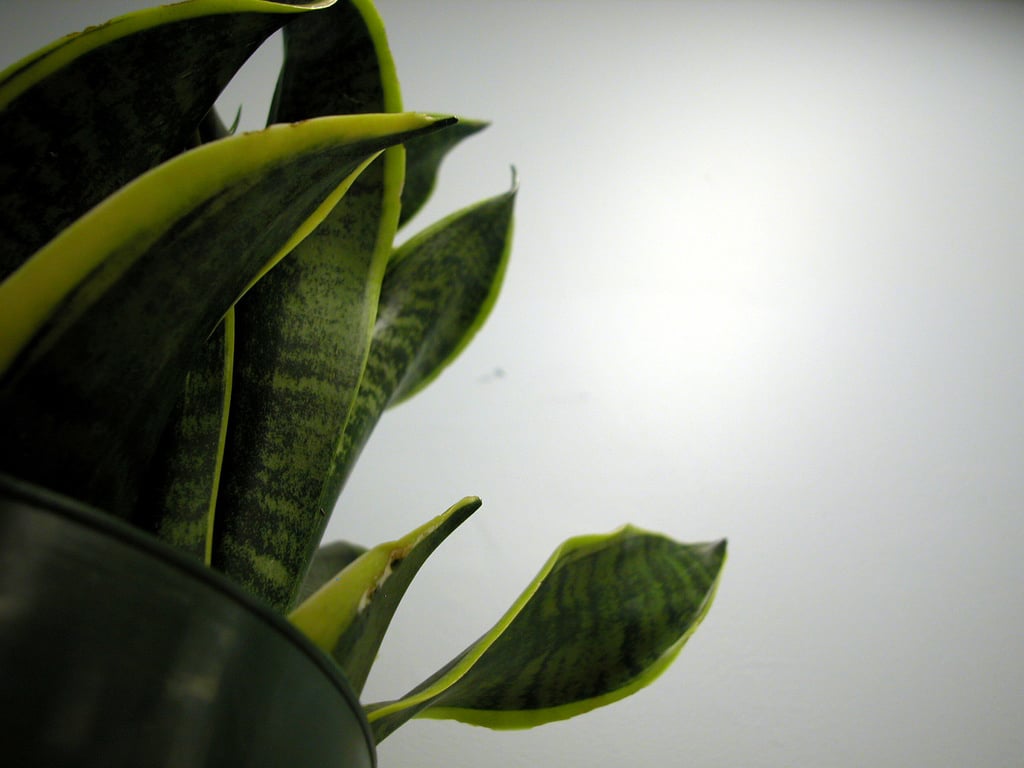
Fortunately, snake plants are very difficult to kill. They can thrive almost anywhere light-wise, but they do best in indirect sunlight. Snake plants prefer to be on the dry side, and overwatering can prove deadly. Make sure the soil dries completely between waterings. It’s important to note that snake plants are toxic to pets, so keep this one out of your furry friends’ reach.
Fiddle Leaf Fig Tree
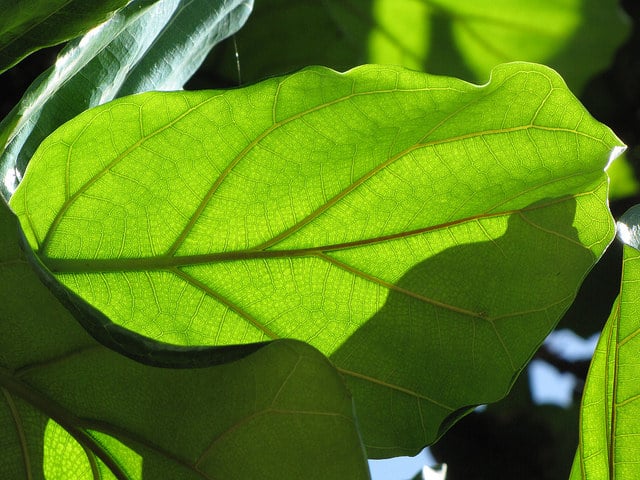
Fiddle leaf fig trees have considerably large leaves and are versatile in a number of design schemes; whether you lean more boho or modern, a fiddle leaf will look fabulous in your space. Fiddle leaf fig trees require lots of light and should be placed by a window. They also need warm weather—should they get too cold, they’ll drop their leaves. Let the soil dry out completely before watering this plant. Wipe down the leaves with a damp cloth every couple weeks to remove dust and prevent pests.
Areca Palm
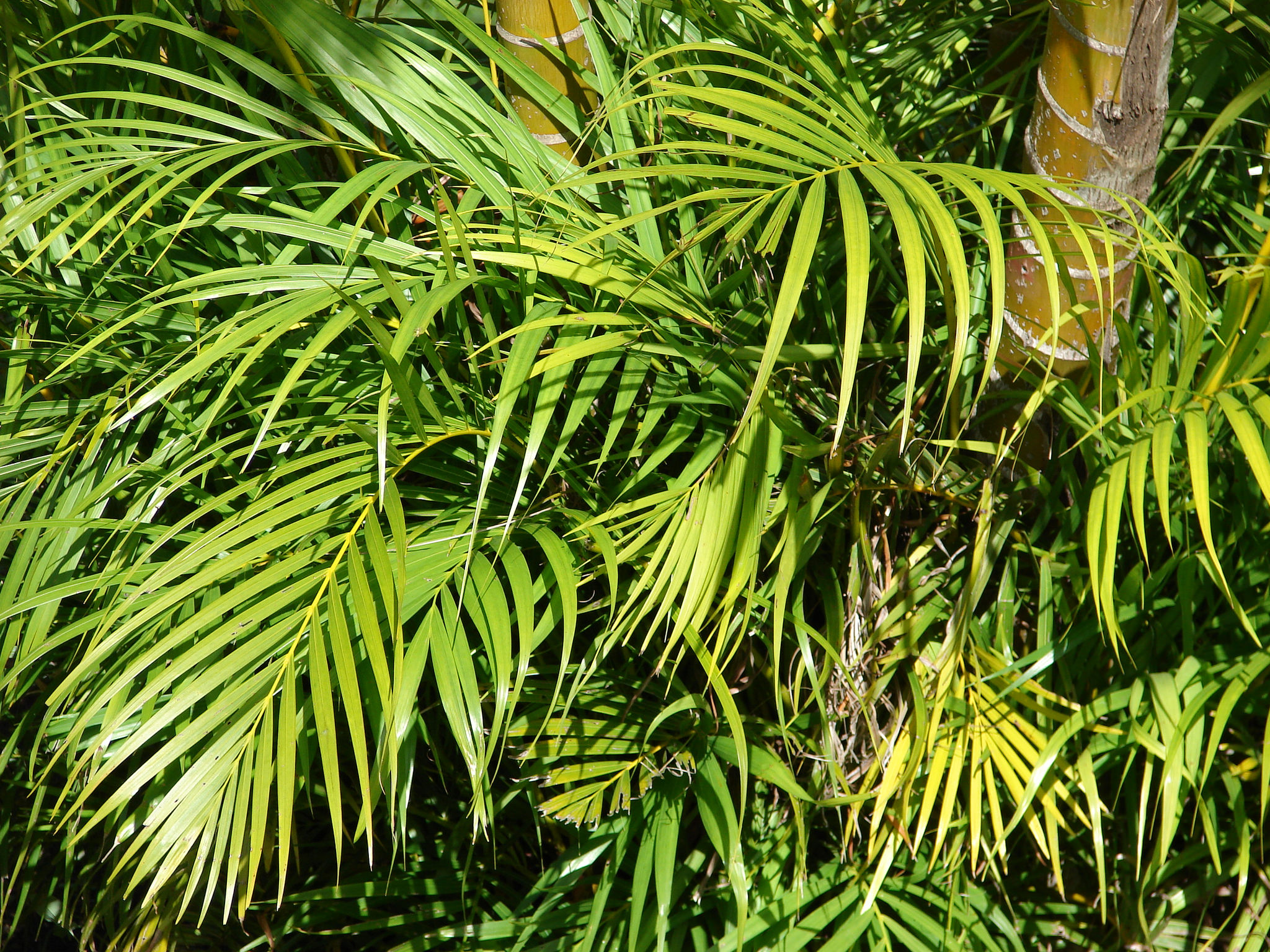
If your home doesn’t receive a lot of natural light, the areca palm may be perfect for you, as it prefers indirect sun. This plant also doesn’t need to be watered very often, and you should allow the soil to dry out in between. These palms can grow rather tall and wide, making them great plants for those who want a jungle-like space without much maintenance.




-4.webp?w=160&h=400&fit=crop&crop=edges)

