

























































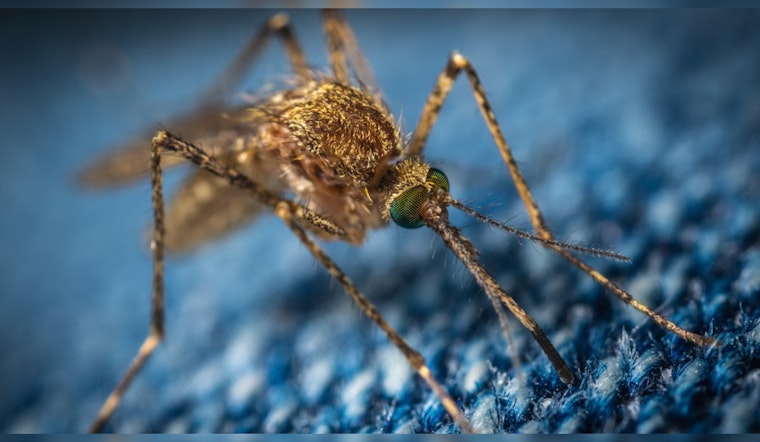
Post-Hilary Southern California residents find themselves facing a new battle against mosquitoes, as their population has significantly increased after the torrential rainfall caused by the tropical storm. This growing number of insects, particularly the invasive Aedes aegypti - the yellow fever mosquito, poses danger to human health as diseases like West Nile virus, Zika, chikungunya, dengue fever, and yellow fever are becoming more prevalent in the area, according to KTLA.
Susanne Kluh, general manager of the Greater Los Angeles County Vector Control District, revealed in another interview with the San Fernando Valley Sun that there are now at least double the number of invasive mosquitoes present in Los Angeles County compared to the previous year, thanks to the water brought in by Tropical Storm Hilary. This rapid population growth has created ideal conditions for these disease-carrying insects to thrive.
One of the main concerns is that these specific mosquitoes are an invasive species that exclusively target humans and can survive harsh conditions. Their eggs are especially durable and can remain viable for a year or longer, even in dry conditions. This ability to be transported around the world allows their population to grow and spread diseases, as stated by Kluh in her interview with the San Fernando Valley Sun.
To keep the West Nile virus in check, authorities are urging residents to help maintain a mosquito-free environment. The LA County Department of Public Health recommends emptying out swimming pools and eliminating all sources of standing water, like buckets and pots, where mosquitoes can breed. Following such recommendations, Kluh states that this year's West Nile virus cases are well under control and, in fact, are below last year's number.
However, the extra water brought by Tropical Storm Hilary has also reignited concerns regarding the yellow fever mosquito. These mosquitoes are known to transmit potentially deadly diseases such as dengue fever, chikungunya, and yellow fever, making their growing population a serious public health risk, Kluh explained in her interview with the San Fernando Valley Sun.
In efforts to combat the invasive mosquito population, the Greater LA County Vector Control District is collaborating with the Orange County Vector Control District on a program that sterilizes male mosquitoes using radiation, as detailed in their website. This initiative aims to decrease the overall population; however, it is in its infancy and may take substantial time before it can be scaled up to cover the entire county. For now, they hope to at least identify high-risk areas and use this new control method there.
Residents can also take several steps to protect their families from these disease-carrying mosquitoes. The Centers for Disease Control and Prevention (CDC) advises using Environmental Protection Agency-registered insect repellents, wearing loose-fitting, long-sleeved shirts and pants, and using screens on windows and doors. It is also wise to empty and scrub items that hold water on a weekly basis, such as buckets, birdbaths, and trash containers. Sleeping outdoors, using a mosquito net, is also suggested by the CDC website.




