

























































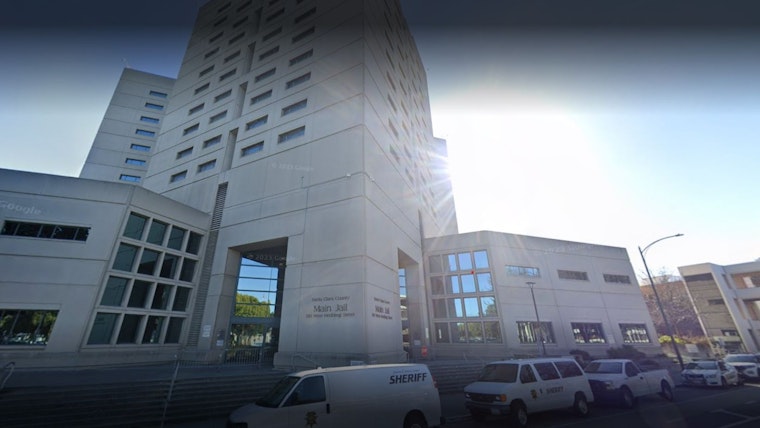
In the ongoing struggle to define the parameters of humane treatment within correctional facilities, the use of tear gas in Santa Clara County jails has become a subject of heated debate. As reported by San José Spotlight, a recent report from the county Office of Correction and Law Enforcement Monitoring delved into the necessity and humanity of using tear gas on inmates, particularly those experiencing mental health crises.
Falling on both sides of the debate are criminal justice advocates, officials, and inmates themselves, each presenting their own perspectives on the practice's consequences. Among the concerns raised are the long-term psychological and physical effects of tear gas usage on inmates, as well as the desperate need for more therapeutic environments within the county's jails.
The report analyzed 17 incidents where jail guards employed tear gas or other chemical agents to remove uncooperative inmates from their cells. Advocates and officials clashed over the findings, demonstrating the complex nature of this issue. According to Energy Portal, Michael Gennaco, a leading expert on law enforcement accountability who headed the third-party monitor that conducted the report, supported the continued use of chemical agents. However, he acknowledged the need to explore alternative options and emphasized the importance of oversight in such cases.
At a meeting held for community leaders, criminal justice advocates, and residents, dissenting opinions emerged. Raymond Goins, an advocate with Silicon Valley De-Bug, who experienced tear gas while incarcerated, expressed that using chemical agents on individuals struggling with mental illness is unacceptable, especially as Santa Clara County seeks mental health funding. He raised the issue of the added trauma inflicted upon inmates, stating, "It's trauma on top of trauma."
Another perspective was shared by Donovan Castillero, also an advocate from Silicon Valley De-Bug, who reported inmates would rather risk being shot by jail guards than be exposed to chemical agents.
Despite these concerns, Sheriff Robert Jonsen defended the use of tear gas, calling it a necessary measure to minimize harm. He argued that physical extractions pose an even greater risk of injury to both inmates and staff. In response to the report's recommendation to prohibit using tear gas on inmates with known respiratory issues, Jonsen dismissed accusations of "chemical warfare" as an overstatement.
Dr. Danit Bar Ziv, chief of custody psychiatry for the main county jail and Elmwood Correctional Facility, echoed Jonsen's sentiments. She maintained that using chemical agents is a more humane alternative to physically restraining inmates and argued that neglecting to intervene in cases of severe mental health crises would be cruel. Dr. Bar Ziv shed light on the harsh reality of inmates in such situations, who may engage in self-harming behaviors due to their untreated illnesses.
Criminal justice advocates have urged the county to abandon the construction of a planned $689 million jail complex in favor of a mental health facility.





