

























































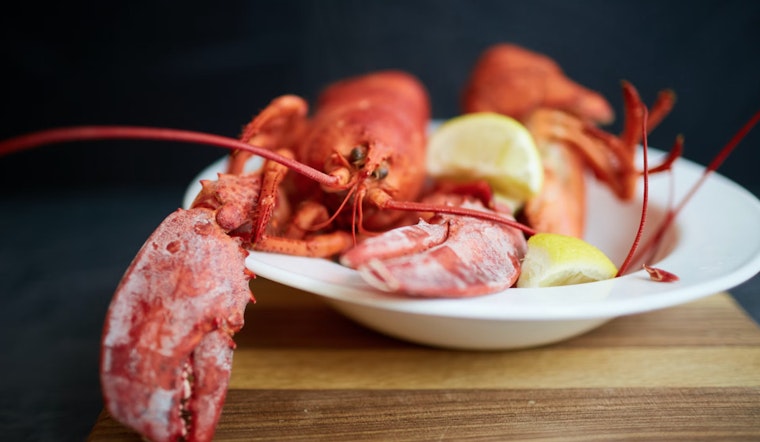
Seafood enthusiasts in Southern California can rejoice as the California Department of Public Health (CDPH) has lifted its warning against consuming recreational lobster harvested from specific regions of the Southern California coast. Following laboratory tests conducted on Friday, October 13, levels of domoic acid, a neurotoxin, have been found to be low or undetectable, thereby reinstating the safety of consuming these lobsters, according to the CDPH press release.
Originally issued on September 22, CDPH's warning had advised consumers to avoid consuming lobster meat, viscera, and roe due to the presence of the neurotoxin.
As per the recent CDPH announcement, lobsters can be harvested safely from state waters located between Abalone Cove State Marine Conservation Area and the westernmost point of the Long Beach Breakwater, including the areas north and east of these waters. No illnesses have been associated with the presence of domoic acid in lobsters harvested from these areas to date.
With the commencement of the spiny lobster season by the California Department of Fish and Wildlife (CDFW) in Los Angeles and Orange Counties, the lifting of the warning is well-timed. Initially postponed due to domoic acid concerns, the CDFW's decision was guided by evidence that domoic acid levels have descended below the health hazard threshold, as reported by Hoodline. Recreational fishing commenced at 6 p.m. on October 13, followed by commercial fishing due to start before dawn on October 18.
Despite these advancements, it is crucial to remember that cooking lobster does not ensure the decrease or elimination of the toxin in the viscera or roe. Consumers should discard viscera, roe, and cooking liquids, and stick to safe-preparation practices such as rinsing the body cavity before cooking and taking caution when using cooking liquid for meals to avoid inadvertent exposure to domoic acid, as per CDPH.
Symptoms of domoic acid poisoning can appear within 30 minutes to 24 hours after consuming toxic seafood. In mild cases, individuals might experience vomiting, diarrhea, abdominal cramps, headaches, and dizziness, with symptoms typically resolving several days after. More severe cases can result in breathing difficulties, confusion, cardiovascular instability, seizures, excessive bronchial secretions, loss of short-term memory, coma, and even death.
The CDPH continues to vigilantly monitor domoic acid levels, updating test results as laboratory data becomes available. For additional information on domoic acid and current advisories, individuals are encouraged to check the CDPH Domoic Acid web page and call the toll-free "Shellfish Information Line" at (800) 553-4133.




