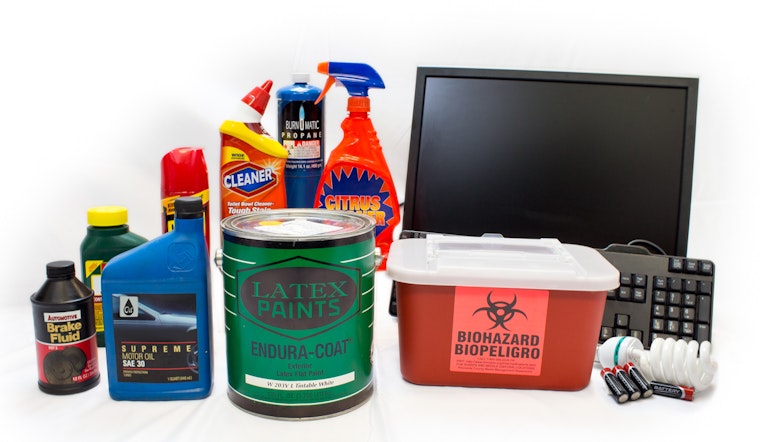
Addressing the management of hazardous materials is a pressing issue in light of significant environmental challenges. Recently, a commendable effort was seen from the Riverside County Department of Waste Resources. Last month, they facilitated a free household hazardous-waste collection event in Beaumont. The event took place at the Lamb Canyon Sanitary Landfill on Saturday, October 21.
In an effort to protect the local environment, this initiative provided an opportunity for residents of Riverside County to dispose of potentially hazardous materials. This collection service was aimed at limiting the introduction of harmful substances into county landfills. Collection was restricted to residentially-generated household hazardous waste from Riverside County residents. Business or non-profit waste was excluded. Accepted items spanned from used motor oil to electronic waste. However, residents were limited to transporting up to a maximum of 15 gallons or 125 pounds of waste per vehicle.
Although such efforts may not fully eliminate the threat posed by hazardous waste, they are certainly a step in encouraging responsible disposal and positively impacting our surroundings. It serves to remind us that consistent efforts at a community level can contribute to larger environmental conservation goals.
Special guidelines, articulated by the Riverside County Department of Waste Resources, instruct that mixed loads with trash and household hazardous waste, will be charged according to the landfill fee schedule. Furthermore, the hazardous waste should be at the rear of the load to be unloaded first, enabling better processing.
Excluded from the collection event were items such as explosives, radioactive materials, bulky compressed-gas cylinders, asbestos, ammunition, and certain types of medical waste. Understanding these rules is crucial to ensuring the safe processing of hazardous materials.