

























































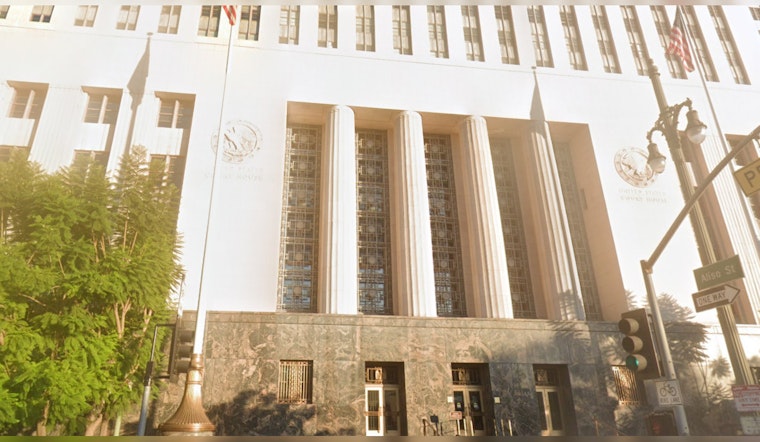
Real estate developer Mark Handel, of Agoura Hills, was sentenced to 41 months imprisonment for fraudulent bankruptcy filings and incorrect federal tax returns. The 69-year-old developer failed to declare over $2.3 million in income on the bankruptcy document and omitted nearly $6.9 million in income on his tax returns as reported by the U.S. Attorney's Office, Central District of California.
The U.S. Attorney's Office detailed that Handel falsely filed a bankruptcy petition in 2015, reporting that he had zero income from 2013 until April 2015. Records, however, indicate that Handel made around $2,263,221 from his West Los Angeles-based real estate development company, DTMM Construction Inc. To further conceal his income from the bankruptcy court and creditors, he registered DTMM in his wife's name, using the company to funnel his profits and manage personal and family expenses.
For his fraudulent actions, U.S. District Judge Otis D. Wright II ordered Handel to forfeit an estimated $3,545,712 from the sale of his Alameda County real estate, fined him $20,000, and commanded him to pay nearly $1,618,836 to the IRS, comprising unpaid tax liabilities, penalties, and interest. This sentence affirms that deception of this nature will be duly punished.
Handel's deceit also emerged in his federal income tax returns filed in October 2016. For the tax durations of 2010 to 2017, Handel concealed around $6,886,877 in income. Reportedly, his company's acronym, DTMM, stood for "Don't Touch My Money," according to Handel himself.
In their sentencing document, prosecutors noted: "His crimes required planning, calculation, and an almost insatiable drive to break the law time and time again." The question we faced with is how to prevent such deceitful individuals from attaining positions of power and influence.
Handel's case is not singular. White-collar crimes, such as fraud or embezzlement, have long been a concern in the United States, gradually evolving from individual financial harm to a broad collective impact. The 2008 financial crisis is a bleak testament to this, demonstrating the long-term economic damage such fraudulent actions can cause.





