

























































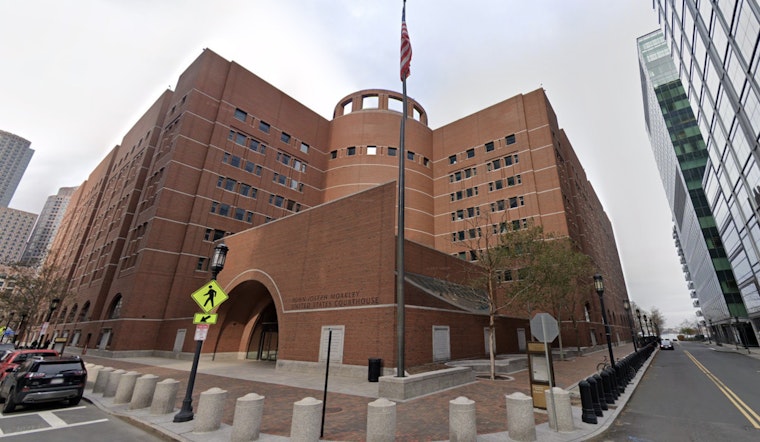
In an event that brings the ongoing opioid crisis to the forefront, a nurse, Andrea Falzano, aged 39, was sentenced to federal prison for diverting opioids from a Boston-based hospital. Originally, she depicted her conduct as an "isolated event", but based on evidence, the incident was far from isolated. The United States Department of Justice reported that Falzano was given a three-month prison sentence followed by a year of supervised release as per the Department of Justice.
According to the Court's decision in August 2023, from Winchester, Falzano was convicted of unlawfully procuring controlled substances through deceit and fraud. Beginning in May 2019, she misused her position as an emergency department nurse at a Massachusetts hospital to illegally remove morphine, fentanyl, and hydromorphone from a secure medicine cabinet. Over five months, Falzano is alleged to have withdrawn these substances 412 times in the names of 299 patients who had already been discharged as mentioned by the Department of Justice.
People might ask why Falzano, who was in a trusted position, would take these actions. It's not unheard of for healthcare professionals to divert prescription drugs for various reasons, from financial gain to self-perceived benevolence for patients in pain. However, it's unclear why Falzano stole the drugs, as negative drug tests showed she did not, herself, use the narcotics she took. This case is an example of the complex layers of opioid misuse that reach beyond those addicted.
Opioid misuse is quickly working its way even within the healthcare system, highlighting deficiencies in drug control measures and our understanding of addiction. The conviction of Falzano, who was part of the healthcare system, shows that the Drug Enforcement Administration (DEA) enforcement of the Controlled Substances Act is unbiased. DEA Special Agent in Charge, Brian D. Boyle, stated that the agency will continue to collaborate with law enforcement partners in Massachusetts to ensure that everyone complies with rules and regulations as reported by Department of Justice.





