

























































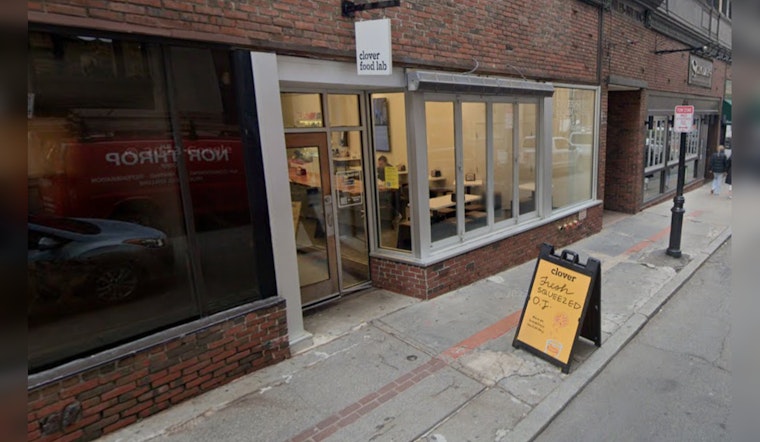
The Clover Food Lab, a Boston-based healthy eating chain, has filed for Chapter 11 bankruptcy protection. Principal factors driving this decision include declining sales rates, high real estate rent, and exhausted funding resources. The company's foot traffic continues to lag behind pre-pandemic levels, as reported by NBC Boston.
Established by Ayr Muir in 2008, Clover Food Lab rapidly gained traction for its unique focus on vegetable-centric menus and locally-sourced ingredients. The business rapidly expanded, organically grew from a single food truck into a conglomerate consisting of 12 independent restaurants, a pair of Whole Foods market stalls, a courier-based food business, and a meal box production and delivery service. Corresponding to WBUR report, the company saw exponential growth in 2022 and 2023, leading to the establishment of a new, larger Boston-based commissary to bolster their retail segments.
The COVID-19 pandemic forced Clover to reorient its business strategy, subsequently implementing a meal box service for interested clientele. As CEO, Julia Wrin Piper clarified in the paperwork related to the bankruptcy, the frequency of restaurant visits are still a far cry from pre-pandemic standards. Following the conclusion of rent reductions and government sanctions, Clover opted to apply for Chapter 11 bankruptcy protection, identifying as a small business debtor under Subchapter V of the Bankruptcy Code.
The company's unsuccessful attempts to enlarge their business footprint across New England and the New York region, paired with, the adverse implications of the Silicon Valley Bank debacle, heavily influenced Clover's financial instability. Efforts to secure funding came short. Adding, a strain on the situation was the lease agreements of three underperforming outlets, characterized by steep rent fees and insufficient sales. Clover tried to engage in discussions with property owners, to negotiate, but these dialogues proved fruitless as per the document submitted.
As part of the company's restructuring plan, Clover intends to discard leases linked with failing locations and expensive rent contracts, selling off unused delivery vehicles, and focusing its resources on the most productive business sectors. This strategic approach is aimed at re-establishing Clover's financial and operational stability while preserving the high-quality food that clientele has become familiar with, as highlighted in a company reporting received by WBUR.





