

























































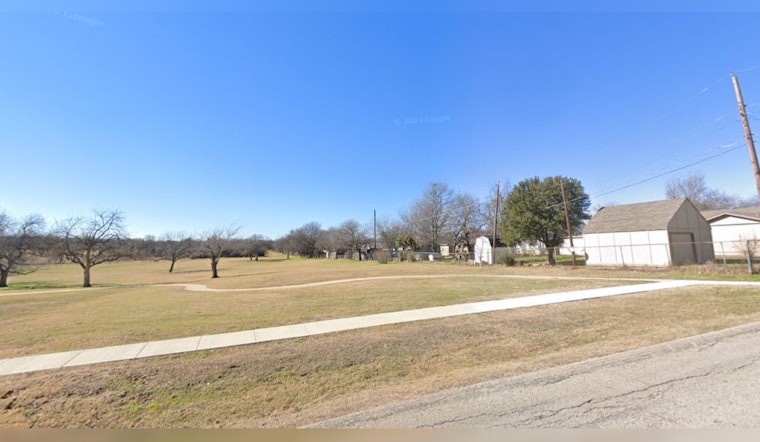
Residents of Echo Heights, Fort Worth, have teamed up with the Fort Worth Environmental Coalition of Communities to address what they describe as "environmental racism" in their communities. Their appeal to the city council sparked heated discussions and polarized views as per reported by the Star-Telegram.
The Fort Worth City Council recently approved the 2023 Comprehensive Plan, making modifications in response to public concerns. Part of these changes was the removal of 109 acres from the Industrial Growth Center designation. Despite these efforts, Mayor Mattie Parker, in her rejection of environmental racism allegations as stated in the article of Star-Telegram, "Unfortunately, some of the rhetoric included zoning apartheid, the return of Jim Crow, and a racist City Council. I'm here to tell you that is very far from the truth."
Residents of Echo Heights, a predominantly black and Hispanic community, have long grappled with the detrimental effects of industrial development. It's believed these developments are the source of an increasing number of health issues, including illnesses, miscarriages, and respiratory problems according Star-Telegram. Echo Heights resident Letitia Wilbourn singles out the city's racially discriminatory zoning practices as the root cause.
A tense relationship has existed between the city council and the community for years. To address these concerns according to the Fort Worth Report, in its 2023 Comprehensive Plan, the city has revised the land use map, reduced southeast Fort Worth's industrial growth zoning, and implemented "NO TRUCK" signs to control commercial traffic. Furthermore, the city attempted unsuccessfully to secure a $1 million Environmental Protection Agency grant for Echo Heights.
In response to the ongoing situation, Fort Worth officials were urged to prioritize environmental justice in the upcoming 2050 Comprehensive Plan by the Fort Worth Report. John MacFarlane, an executive committee member of the Greater Fort Worth Sierra Club, stressed the disproportionate impact of industrial development and pollution on communities of color.
The city council hearing and proposed changes indicate some progress. However, residents and activists will persistently continue to advocate for further measures to mitigate the effects of industrial pollution and advocate for environmental justice. In this regard, the Fort Worth Report highlights, public participation in the 2050 planning process is crucial to addressing these issues and finding sustainable solutions that will benefit all residents of Fort Worth.





