

























































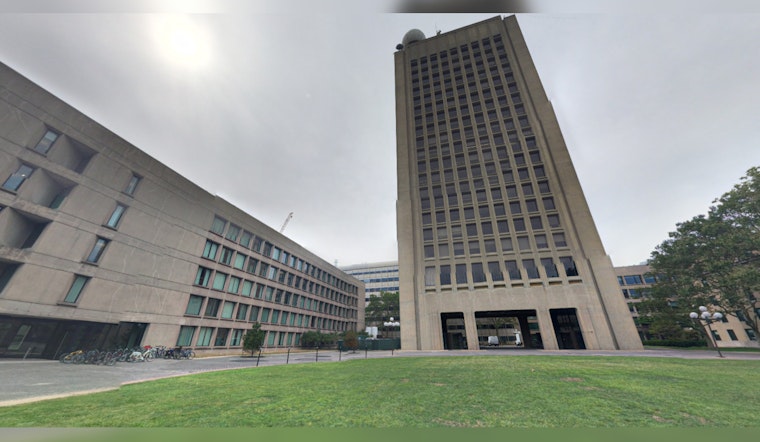
The GlycoMIT Symposium, held earlier this month on October 5, marked a significant development for the glycobiology field. The Department of Chemistry at MIT hosted the event, which was largely funded by Frank Laukien '94. The symposium was an intellectually diverse gathering spotlighting breakthrough research in glycobiology from researchers at MIT and other institutions across the world according to the MIT news release. Glycobiology involves the in-depth study of saccharides, commonly known as sugar chains or glycans, and the proteins that interact with them.
The agenda of the event covered a vast spectrum of research, encompassing areas such as neurobiology, aging, cancer, infectious disease, and microbiomes. Glycans have an instrumental role in pathogen recognition and are the most complex and least understood among the three major chemical elements involved in this. The importance of research in this particular field has received added emphasis from Troy Van Voorhis, Haslam and Dewey Professor. He stressed the necessity of the amalgamation of chemical, biological, and physical sciences required to correctly study glycan assemblies in live systems.
The event was attended by several notable figures in the scientific field, and the highlight was Richard D. Cummings keynote speech from the Beth Israel Deaconess Medical Center and Harvard Medical School. Faculty presentations put forth the revolutionary advancements taking place in glycobiology research and the potential to impact human health and well-being. The event concluded with a reception where attendees could mingle and enjoy additional poster presentations on related research as per MIT news.
Laura L. Kiessling and Matthew D. Shoulders, professors of chemistry at MIT, were instrumental in organizing the event. The symposium featured contributions from various faculty members focusing on varied topics, from the biological roles of carbohydrates to new mechanistic concepts. Kiessling herself presented an insightful talk titled "Glycans in Health and Disease."
Barbara Imperiali, the Class of 1922 Professor of Biology and Chemistry, put forward her perspective in her talk on "Bacterial Glycan Biology: Making Sense of the Madness." Tobi Oni, a fellow at the Whitehead Institute for Biomedical Research, presented his study on pancreatic cancer called "Leveraging Glycan-Dependent Epitopes for Tumor Targeting and Detection."
The event also featured Katharina Ribbeck, the Andrew (1956) and Erna Viterbi Professor of Biological Engineering, who presented on the potential applications of glycans in her talk "From Molecular Mysteries to Medicine: The Therapeutic Promise of Glycans." Matthew D. Shoulders explored the role of N-glycosylation in his presentation titled "N-Glycosylation: The Fulcrum of Collagen Proteostasis."
Professor of biological engineering Jessica Stark's talk was innovatively themed "Antibody-lectin chimeras for glyco-immune checkpoint blockade," with her primary focus being the role of glycans in the immune system. She aims to fill existing knowledge gaps in immunobiology and develop novel immunotherapies for diseases such as cancer and autoimmune diseases, as well as infections according to the MIT news release.





