

























































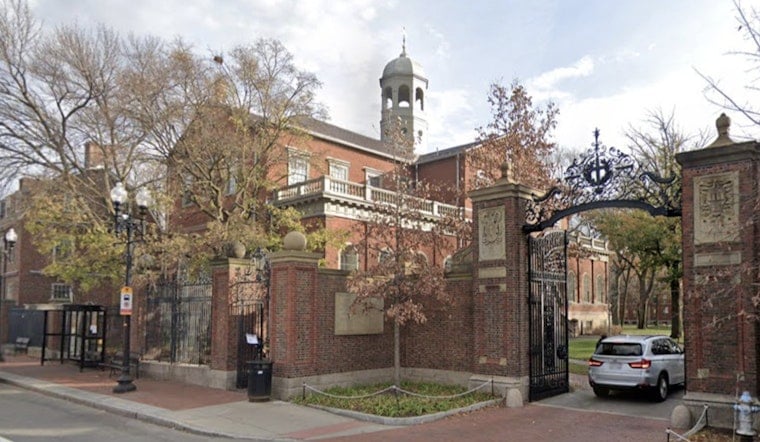
In the context of ongoing tensions between academic liberties and institutional pressures, over 100 Harvard educators have openly criticized the institution's stance on freedom of speech, responding to concerns surrounding antisemitism and pro-Palestinian expressions within the campus. This development raises profound issues about balancing divergent demands and expectations in higher education institutions.
As reported by the Boston Globe, Harvard President Claudine Gay issued a letter denouncing the phrase "from the river to the sea," a common slogan in pro-Palestinian protests. This followed a prior letter from the Harvard Jewish Alumni Association that threatened to withhold donations unless antisemitism on campus was addressed. Subsequently, a group of faculty members penned their letter, urging the administration to protect "intellectual freedom and open dialogue."
As noted by The Harvard Crimson, these faculty members suggest that the university's devotion to intellectual freedom is being compromised, expressing disappointment with the perceived surrender to donor pressure. They urge President Gay to not only define antisemitism but to also prevent policies surrounding thought and expression from manipulation by external entities.
The professors insist that a university environment should remain safe for all individuals, regardless of identity, without infringing on necessary free speech for exploring global challenges. They emphasize that debate and disagreement are integral to higher education just as much as classroom instruction. Limiting intellectual freedom could potentially lead to harm.
Another article by Harvard Crimson reveals that the faculty's letter seeks an advisory group formation to address Islamophobia and anti-Arab racism. This is in conjunction with a group established to tackle antisemitism, signifying their intent to safeguard the rights of all students in the face of these contentious issues.
The issues raised by Harvard faculty concerning free speech and the right to thought expression extend beyond their institution. As highlighted by Boston Globe, a number of free speech debates are unfolding across American college campuses. The expulsion of a pro-Palestinian group at Brandeis University, student arrests during a sit-in at Brown University, and reported attacks on Jewish students underline the nationwide struggle between safety and free expression.





