

























































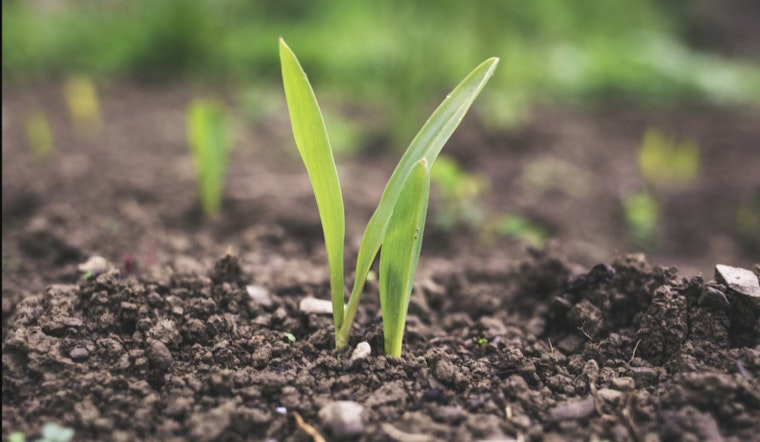
A burgeoning discussion and associated research point towards sustainable and eco-friendly agricultural practices. Specifically, substituting conventional methods with the use of microbes in lieu of chemical fertilizers. Current developments hold promise that microbes could minimize dependency on chemical fertilizers, which contribute to 1.5 percent of global greenhouse gas emissions. A recent MIT News article reveals how a new coating technique can make this possible on a large-scale basis.
The production of chemical fertilizers employs the Haber-Bosch process, an energy-demanding method that merges nitrogen and hydrogen into ammonia under distinct pressures. These fertilizers, however, if used over a prolonged period, can exhaust soil nutrients, and the process also exacerbates greenhouse gas emissions. Nitrogen-fixing bacteria, an alternative solution, can rejuvenate soil, protect against pests, and find a place in regenerative agriculture, hence mitigating environmental implications. The susceptibility of these bacteria to heat and humidity, however, poses challenges to their mass production and farm distribution.
To mitigate this, chemical engineers from MIT have formulated a metal-organic coating that shields bacterial cells from damage while keeping their growth and function intact. This coating enables the bacteria to endure temperatures up to 132 degrees Fahrenheit, facilitating their spread as dried powder instead of as a liquid. As per the MIT News article, this novel coating may make the use of microbes as fertilizers both more convenient and economical for farmers.
The research team analyzed 12 different metal-phenol network (MPN) coatings on nitrogen-fixing bacteria. All coatings shielded the bacteria from temperatures up to 122 degrees Fahrenheit and up to 48 percent relative humidity. The coatings ensured the microbes' survival during the freeze-drying process as well. The testing of the coated microbes' ability to assist seed germination in a lab dish using seeds like corn, radishes, dill, and bok choy with the coated microbes improved the germination rate by an impressive 150 percent in comparison to fresh, uncoated microbes.
To commercialize the coated bacteria for extensive use in regenerative agriculture, the researchers have established a startup called Seia Bio. Given the low manufacturing cost, this technology could allow microbial fertilizers to benefit small-scale farmers lacking the equipment to cultivate the bacteria. This breakthrough could foster a more inclusive approach to regenerative agriculture and encourage sustainable farming practices.
In conclusion, the latest progress in substituting chemical fertilizers with microbes underscores a collective effort toward sustainable agriculture. These efforts aren't just presenting viable alternatives to reduce environmental impact; they are beginning to become accessible to an increasing range of farmers. While it remains to be seen how these microbial alternatives will be integrated into large-scale agricultural operations, progress is certainly moving toward a more sustainable future.





