

























































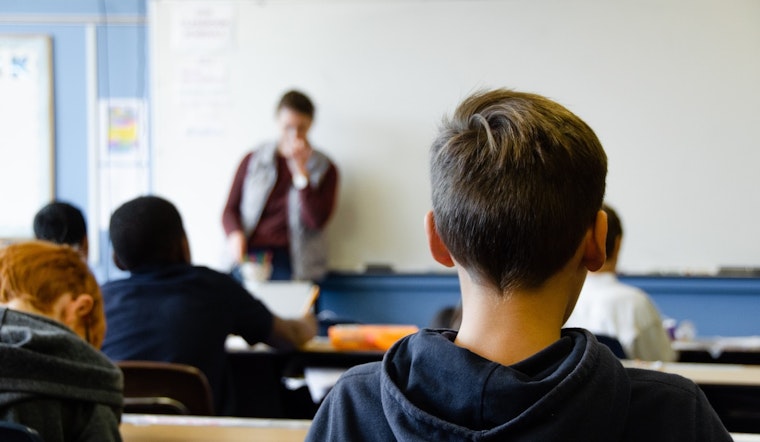
As Texas lawmakers engage in a tug-of-war over educational funding priorities, special needs students and their families remain caught in the middle, with their futures hanging in the balance. Amy Litzinger, a determined Texan who has not let her quadriplegic cerebral palsy set limits on her ambitions, is raising the alarm. As stated in a KXAN report, she expressed deep concern for the current plight of students with disabilities, citing a dire need for funding to support the educational services that facilitated her own success. "Right now, that's not happening for many students with disabilities because there's not enough funding for the number of paraprofessionals we need," Litzinger said.
Amidst these funding controversies, Gov. Greg Abbott has been pushing for the enactment of Education Savings Accounts (ESAs), proposing public money to subsidize private school tuition. This initiative, however, has been met with staunch opposition and has contributed to the stonewalling of bills that would otherwise bolster special education funding. The proposed bill, dubbed House Bill 1, would have injected an additional $750 million into special education, as reported by KXAN, yet it foundered amidst legislative gridlock.
In a striking fiscal revelation, the Legislative Budget Board has estimated that the proposed education savings account program backed by Abbott could cost the state over $2 billion annually by 2028. The Dallas Morning News presents a detailed look at the proposed expenditure, shedding light on the far-reaching impact this school choice policy could have. A key point of contention is the concern that such a program could siphon funds from public schools and funnel them into private institutions, a specter that alarms education advocates and lawmakers alike.
With the Texas House of Representatives casting down previous ESA proposals, the legislative standoff continues to bring uncertainty and challenge to families like those of Sarah Hardin. Her daughter Annie, who has Down syndrome, could face diminishing educational opportunities in the public system wrought by vouchers and other similar policies. "It seems like there’s never enough — a fear that any school will lose funding necessary to provide her with an exceptional education if a voucher program is passed. Schools are already scrambling to cover services for our children with disabilities" Hardin said, as per KXAN report.
The frustration is palpable among public school advocates like Huffman ISD Superintendent Benny Soileau, who has urged the segregation of voucher measures from the rest of the school's funding initiatives. "Unless and until we address the funding needs of our public schools, vouchers should not be the driver for school funding," Soileau emphasized in testimony before the House Education Committee, as reported by The Dallas Morning News. The sentiment echoes the broader concerns surrounding Texas' educational funding conundrum—a complicated fiscal puzzle that remains unsolved as stakeholders from both sides of the debate seek a pathway forward that supports all Texas students, especially those with special needs.





